Nehemiah 4 Introduction
In the last chapter, we focused on something really important: the dual purpose of the wall. The wall protected the Israelites both physically and spiritually. It kept them safe from enemy attack, but more than that, it protected the Temple where God's presence dwelt, and it protected their relationship with the Lord. Their eternal future hinged on that wall, and here's what we need to understand about the concept of a wall: we still need that wall today. God doesn't dwell in a Temple made of stone anymore. He dwells in you. He dwells in me.
What is the spiritual purpose of the wall today?
The wall we need to build today isn't made of bricks; it's made of faith. Every heart needs a wall of protection, and we build that wall by building our faith. And if faith is the bricks in the wall, the Word of God is what holds the bricks together.
In this chapter, Nehemiah is going to impart valuable lessons about what our hearts need protection from: the opposition. We must understand something fundamental:
- There was opposition in Nehemiah's day.
- There is opposition today.
- There will always be opposition.
Because when God moves, the opposition moves too. Whenever someone does something for God's kingdom, there's someone out there who doesn't like it. The Enemy doesn't sit idle when you're building something for God. The apostle Paul knew this principle. In Hebrews, he gave his prescription for how to overcome opposition.
Hebrews 12:1-3 1 Therefore, since we are surrounded by such a great cloud of witnesses, let us throw off everything that hinders and the sin that so easily entangles. And let us run with perseverance the race marked out for us, 2 fixing our eyes on Jesus, the pioneer and perfecter of faith. For the joy set before him he endured the cross, scorning its shame, and sat down at the right hand of the throne of God. 3 Consider him who endured such opposition from sinners, so that you will not grow weary and lose heart.
Everything Paul recommends, Nehemiah is going to demonstrate for us. He is going to:
- Throw off the sin that so easily entangles.
- Run that race of perseverance.
- Endure opposition from sinners without growing weary and losing heart.
- Show us how to build our wall of faith amidst adversity.
Scene 1: The Opposition Attacks with Ridicule
Ridicule is a form of opposition that can lead to losing heart.
Nehemiah 4:1-5
1 When Sanballat heard that we were rebuilding the wall, he became angry and was greatly incensed. He ridiculed the Jews, 2 and in the presence of his associates and the army of Samaria, he said, “What are those feeble Jews doing? Will they restore their wall? Will they offer sacrifices? Will they finish in a day? Can they bring the stones back to life from those heaps of rubble—burned as they are?”
3 Tobiah the Ammonite, who was at his side, said, “What they are building—even a fox climbing up on it would break down their wall of stones!”
4 Hear us, our God, for we are despised. Turn their insults back on their own heads. Give them over as plunder in a land of captivity. 5 Do not cover up their guilt or blot out their sins from your sight, for they have thrown insults in the face of the builders.
Who are the primary individuals opposing Nehemiah in Chapter 4?
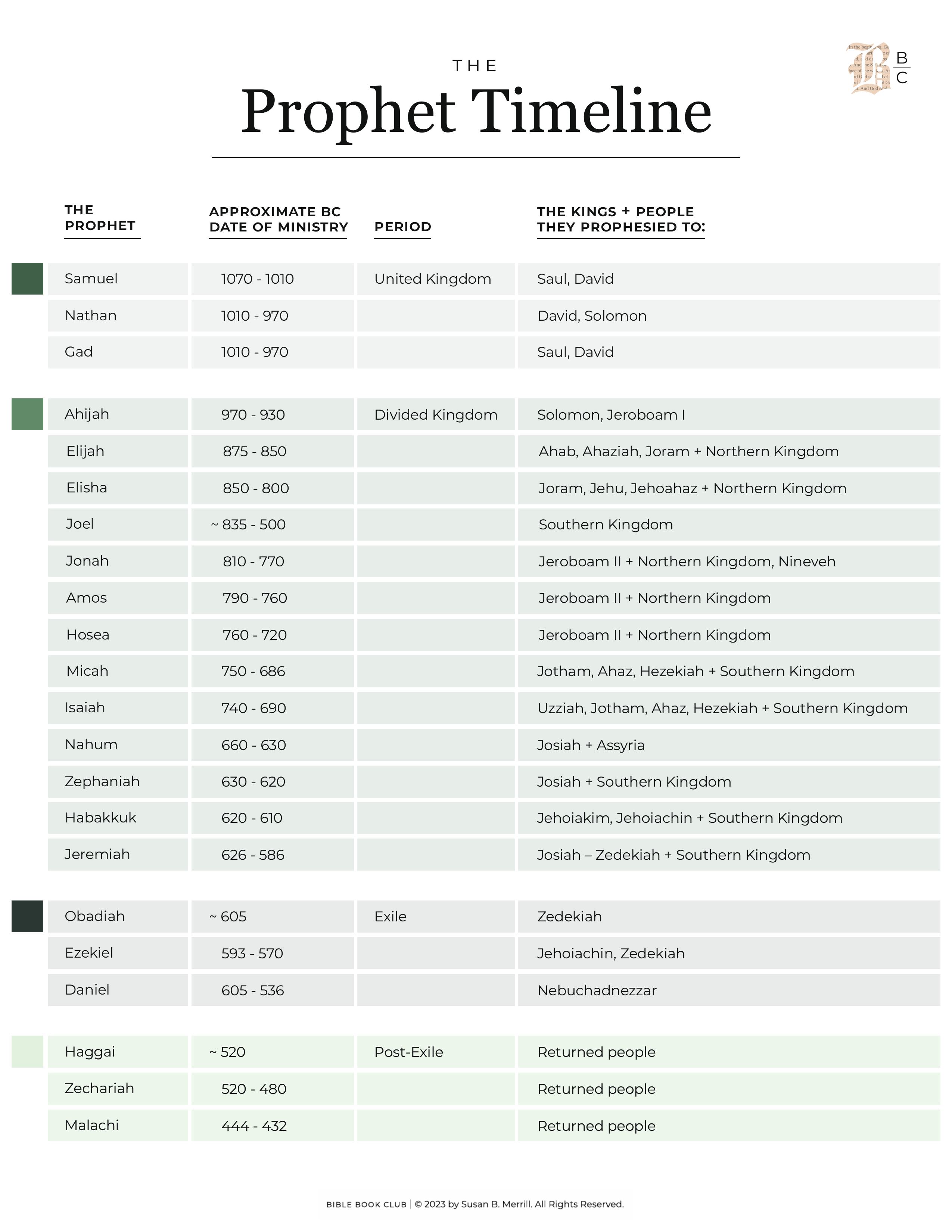
Sanballat and Tobiah are the primary people opposing Nehemiah, and it’s not the first time they have ridiculed the Israelites. They began in Nehemiah 2.
Nehemiah 2:19 19 But when Sanballat the Horonite, Tobiah the Ammonite official and Geshem the Arab heard about it, they mocked and ridiculed us.
On the surface, ridiculing the Israelites seems ridiculous. What could name-calling possibly do? A lot, actually. Because of their situation, they are vulnerable to discouragement. They are:
- A generation of people raised in captivity.
- A weak community of freed slaves.
- Surrounded by enemies.
They are without much to defend themselves except a God whose presence never filled the Temple when it was rebuilt. So, is God really for them?
The opposition has a plan, and it is strategic. Their goal is to mock the Israelites in hopes that ridicule will discourage them, and in their discouraged state, their productivity will diminish or cease. If the enemy can wound the people's confidence, it can stop the work on the wall without lifting a finger. But here's what's even more important to understand: the enemy driving Sanballat and Tobiah has a much deeper purpose.
This isn’t just about a wall made of stones. This is spiritual warfare. If Jerusalem rises again, the credit will go to God, and the enemy does not want God glorified. The enemy does not want them to do what verse 2 mentions: "Offer sacrifices." Because sacrifices lead to:
- Relationship with God.
- Atonement.
- Covenant.
- Promises.
God promised them land, and the last thing Sanballat and Tobiah want is for the Israelites to have more land. God promised they would be a great nation. With that, God would be glorified, and that's the last thing Satan wants. So the enemy sends opposition in the form of men to ridicule them. He uses mockery as a weapon because sometimes the most effective attacks aren't physical. They're emotional and spiritual.
Ridicule Is a Power Move
Here is the principle we need to understand: people ridicule to reduce someone in the eyes of others and themselves. Ridicule is a power move. It attempts to draw attention to someone's flaws, thereby elevating themselves in comparison. The motive is to put someone down to project themselves up.
In this case, either Saballat and Tobiah are so arrogant that they want to point out how inferior the Israelites are. Either to prove their own superiority, or they are so insecure about the wall, so jealous of the revival of Jerusalem, that they want to curtail it before it becomes a threat. Either way, the desired outcome is the same. The purpose of ridicule is to make the victim feel small, discouraged, and defeated. And Nehemiah is not having it.
What is Nehemiah's immediate response to being ridiculed by his enemies?
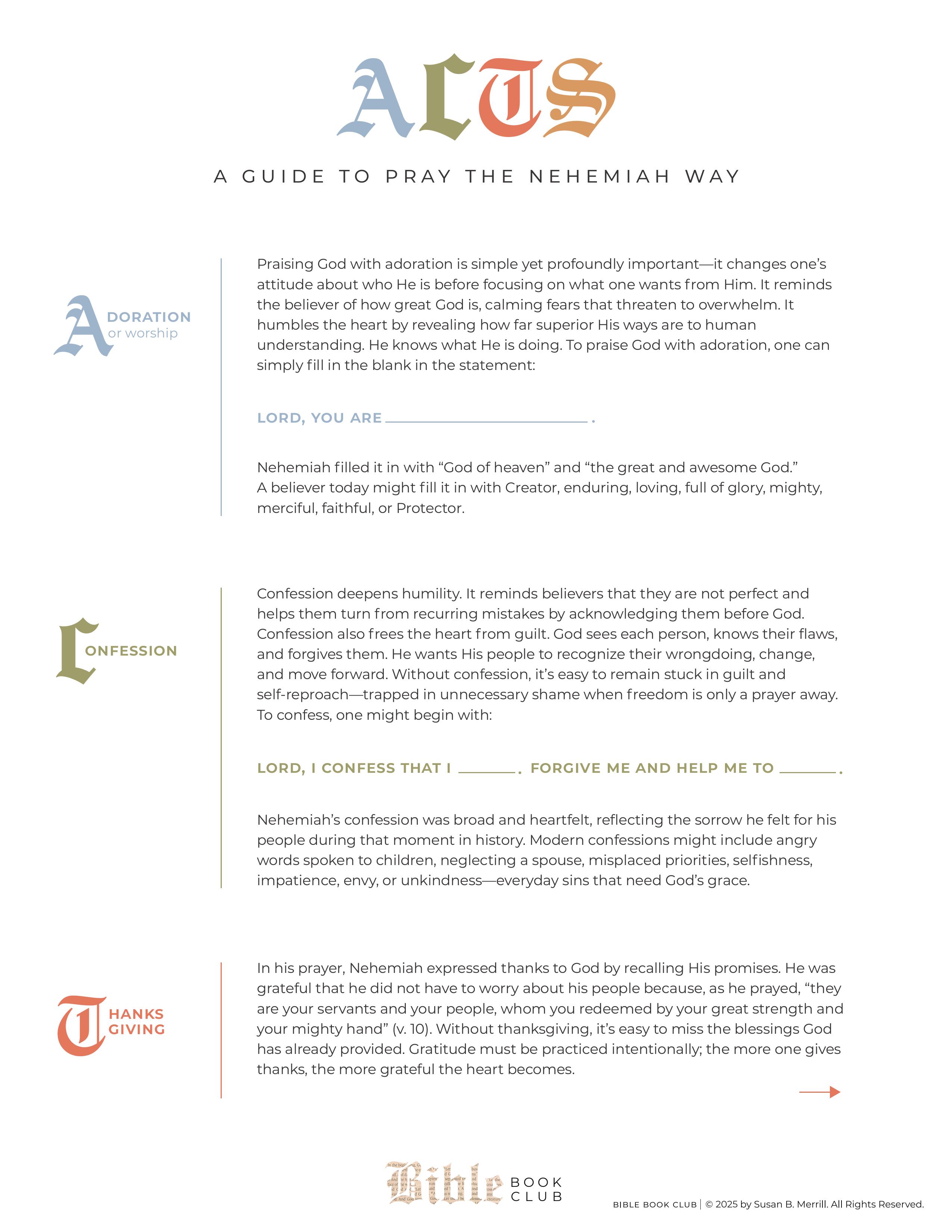
Nehemiah's response to ridicule is to pray. Notice what Nehemiah didn't do. He didn't:
- Get defensive.
- Fire back with insults.
- Call a town meeting to explain why the ridicule isn’t true.
- Spend hours on social media inciting others over the issue.
- Spiral into doubt about whether the project is worth doing.
- Let the mockery distract and derail him.
Instead, he does something far more powerful:
- Prays.
- Gives the issue to God.
- Gets back to work.
Sometimes prayer is the only response needed, but it is not always the easiest. Here's the reality: our flesh reacts, our faith redirects. When we are ridiculed, our flesh has an immediate response. It wants to fight, defend itself, and be vindicated. It's a survival instinct. Your adrenaline rises. Your mind starts crafting the perfect comeback.
But faith demands something different. Faith says: "I don't need to defend myself. God knows the truth. He sees what I'm building. God is with me. So instead of fighting, I am going to let God do the fighting, and I'm going to give the battle to Him in prayer." The act of faith over flesh requires a lot of self-control. A Note for us to remember is that faith is like a muscle; the more we use it, the stronger it gets.
Lessons from Nehemiah on Ridicule
A couple of other lessons from Nehemiah's example stand out:
- If the enemy is attacking you with ridicule, it means you're building something that matters spiritually.
- If your faith didn't threaten his kingdom, he wouldn't bother.
- If your choices weren't leading you closer to God, he wouldn't even notice you.
- If your walls of protection weren't effective, he wouldn't mock them.
The fact that you're being ridiculed is actually evidence that what you're doing is significant.
- Ridicule is still a weapon today. Have you experienced ridicule for:
- Your faith? People dismissing it as "not intellectual" or "outdated."
- Your choices? People mocking you for living differently than the culture around you.
- Your dreams? People suggesting you're not capable, not strong enough, not smart enough.
The enemy uses ridicule today just like he used it with Sanballat and Tobiah. He knows that if you get discouraged enough, if you feel small enough, if you doubt yourself enough, you might stop building the wall of faith that protects your heart for the Lord from the opposition.
Back to our story, where the opposition's attempt to discourage the building with ridicule backfires.
Scene 2: Prayer Frees the Heart
Nehemiah 4:6
6 So we rebuilt the wall till all of it reached half its height, for the people worked with all their heart.
Nehemiah prays, and they work with all their heart! All of their heart, because they are focused. They aren’t discouraged because they don’t hold onto the words of ridicule. They aren’t distracted by the need to defend themselves. Instead, they give the situation to God, and because of that, their hearts and minds are free to do His work. Nehemiah's example of placing his faith in God through prayer becomes contagious and inspires the people to press on. God moves, and the people build the wall all the way around to the halfway height. This is a big deal and a lot of work in record time.
What archaeological evidence exists for Nehemiah's wall in Jerusalem?
Archaeologists have uncovered parts of the wall, and the most recent discovery was in 2007 by Eilat Mazar. He uncovered a 98-foot section of the wall that is connected to the City of David’s Northern Tower. The wall is 8-16 feet thick, wide enough for people to march on top of as they worked, and it is 23-26 feet high.
At this point in our story, the people have built the wall to about 12 feet high all around the city, and they built it in haste. The archaeological remains confirm this fact, because the wall is not well constructed. The stones are unfinished and roughly pieced together.
Lessons from Nehemiah on Overcoming Opposition
To summarize: Nehemiah's first lesson for us on how to overcome opposition is:
- Be aware of what ridicule does to you. When we are aware, we can fight the urge to react.
- Give ridicule to God in prayer.
- Return your focus to God's plan.
Sometimes God needs us to do more to overcome opposition. He wants us to pray and prepare. Because opposition often intensifies.
Scene 3: The Opposition Attacks With Threats
Threats are a form of opposition that can lead to fear.
Nehemiah 4:7-23
7 But when Sanballat, Tobiah, the Arabs, the Ammonites and the people of Ashdod heard that the repairs to Jerusalem’s walls had gone ahead and that the gaps were being closed, they were very angry. 8 They all plotted together to come and fight against Jerusalem and stir up trouble against it. 9 But we prayed to our God and posted a guard day and night to meet this threat.
10 Meanwhile, the people in Judah said, “The strength of the laborers is giving out, and there is so much rubble that we cannot rebuild the wall.”
11 Also our enemies said, “Before they know it or see us, we will be right there among them and will kill them and put an end to the work.”
12 Then the Jews who lived near them came and told us ten times over, “Wherever you turn, they will attack us.”
13 Therefore I stationed some of the people behind the lowest points of the wall at the exposed places, posting them by families, with their swords, spears and bows. 14 After I looked things over, I stood up and said to the nobles, the officials and the rest of the people, “Don’t be afraid of them. Remember the Lord, who is great and awesome, and fight for your families, your sons and your daughters, your wives and your homes.”
15 When our enemies heard that we were aware of their plot and that God had frustrated it, we all returned to the wall, each to our own work.
16 From that day on, half of my men did the work, while the other half were equipped with spears, shields, bows and armor. The officers posted themselves behind all the people of Judah 17 who were building the wall. Those who carried materials did their work with one hand and held a weapon in the other, 18 and each of the builders wore his sword at his side as he worked. But the man who sounded the trumpet stayed with me.
19 Then I said to the nobles, the officials and the rest of the people, “The work is extensive and spread out, and we are widely separated from each other along the wall. 20 Wherever you hear the sound of the trumpet, join us there. Our God will fight for us!”
21 So we continued the work with half the men holding spears, from the first light of dawn till the stars came out. 22 At that time I also said to the people, “Have every man and his helper stay inside Jerusalem at night, so they can serve us as guards by night and as workers by day.” 23 Neither I nor my brothers nor my men nor the guards with me took off our clothes; each had his weapon, even when he went for water.
As the wall grows, so does the number of nations opposing it. Sanballat’s Samaritans from the North are joined by:
- Arabs from the south.
- Ammonites from the east.
- Ashdodites from the west.
Jerusalem is surrounded by enemies on all sides, and with the opposition's increased numbers comes a sense of united power. They aren’t just bad-mouthing the project anymore. They are plotting to attack it. They are preparing to put an end to this wall and possibly to the people building it. Notice what happens next. The threat from without created a threat from within.
At what point do the builders of the wall become discouraged?
The people's faith in the invisible God is suffocated by the very visible threat of enemy attack. The strength of the laborers is failing.
- Fatigue sets in.
- Fear sets in, and worst of all,
- Hopelessness sets in.
But Nehemiah has learned something crucial in his journey with God. When threats come, you must pray as if your safety depends on God and prepare as if your safety depends on you. So first, Nehemiah prays. It is always his first line of defense. In fact, Nehemiah prays six different times in this one short book.
- Organizing a defense.
- Stationing people strategically.
- Giving them weapons.
How does Nehemiah reorganize his workers to defend against a physical attack?
Nehemiah positions families at the places they live, defending the walls where their homes are located. Nehemiah is radically agile. He doesn’t stop the work. He reorganizes it.
- Half the people work.
- Half stand guard.
- Everyone is armed.
- Everyone is alert.
- There is a trumpet to sound if danger comes.
What is the meaning of Nehemiah 4:14?
In Nehemiah 4:14, to make sure the people are invested, Nehemiah makes this fight intensely personal by saying, "Fight for your families. Fight for your sons and daughters. Fight for your wives and your homes." In other words, Nehemiah gives them something worth fighting for.
The threat of the battle is pressing in on them, but Nehemiah is not having it. He is not going to let threats slow down the building. If anything, this threat is proof they really do need this wall of protection.
How does Nehemiah demonstrate leadership during the threat of war?
Nehemiah puts himself forward as the example, sleeping in his clothes and keeping his weapon at his side. He will be ready to lead them when and if the time comes. They can look to him. When your leader shows up prepared, organized, and confident, and when they demonstrate that they've thought through the problem and have a strategy, it shifts the energy from fear to confident hope.
- Build confidence.
- Give you an advantage.
- Help you think through options.
Throughout his career, Nehemiah has learned the value of preparation. He was prepared with a plan for the king back in the capital of Persia, and he was prepared with a plan for the people in the capital of Jerusalem. Nehemiah is prepared for God's calling anywhere and at any time, and it makes him the confident leader people follow. Because of Nehemiah's prayer and preparation, the opposition hears that the Israelites are aware of the plot against them, and they don’t attack. Prayer and preparation: it's a great recipe for victory.
Lessons from Nehemiah Regarding Threats
At some point, in some way, everyone feels threatened.
- My sister once felt threatened by a neighbor.
- A friend felt threatened by a teacher because of her faith.
- Another friend feels threatened by her husband's addiction.
- Some people feel threatened by their boss.
- And every day I read about kids being threatened by bullies.
It is my hope that next time you feel threatened, you will channel the example of Nehemiah by praying, preparing, and trusting God. The apostle John would tell you to start practicing today, because, according to him, there will be troubles coming, and that means opposition.
John 16:33 “I have told you these things, so that in me you may have peace. In this world you will have trouble. But take heart! I have overcome the world.”
Wouldn't we all feel a little more at peace, a little stronger, if next time trouble started brewing we could look the opposition in the eye and say, "No, sir, not this time. I've had a masterclass in opposition from the Book of Nehemiah. I know how the enemy operates, and I am ready."
Group Discussion Questions for Nehemiah 4
- Nehemiah's flesh could have reacted to ridicule, but his faith redirected him to prayer instead. When you're mocked or dismissed for your faith, do you tend to react in the flesh or respond in faith?
- The threat from without created a threat from within, and fatigue, fear, and hopelessness set in among the builders. In your life, when has physical fatigue or fear kept you from being faithful in your service to God or in your prayer? Next time, what’s one way you could push back like Nehemiah did, with prayers for help or preparation (ex., preparing healthier food for more energy/health, a better bedtime routine for more sleep, etc.)
- Nehemiah told the people, "Don't be afraid of them... fight for your families, your sons and your daughters, your wives and your homes." What family members or friends are you standing firm in faith and fighting spiritual opposition for right now?