What is the primary purpose of the Book of Proverbs?
The Book of Proverbs is God’s practical plan for living life well, grounded in the foundational truth that “the fear of the Lord is the beginning of wisdom.’
Introduction to the Book of Proverbs
The Book of Psalms and the Book of Proverbs are an interesting pair. In our Psalms Bible study, we described the Book of Psalms as God's playlist for your heart. I would describe the Book of Proverbs as God's search engine for your soul.
How does the Book of Proverbs function as God's search engine for life?
If you are searching for answers, the Book of Proverbs has them.
- How do I handle money? Search Proverbs.
- How do I raise my kids? Search Proverbs.
- How do I know if this friendship is good for me? Search Proverbs.
The Book of Proverbs is God's original search engine or library for life. He knows we need all the wisdom we can get, and we need it fast. So He indexed it for all humanity, for all time, in this one book. With roughly 800 wise sayings, this book gives us the confidence that God has already thought through the exact decision facing you today.
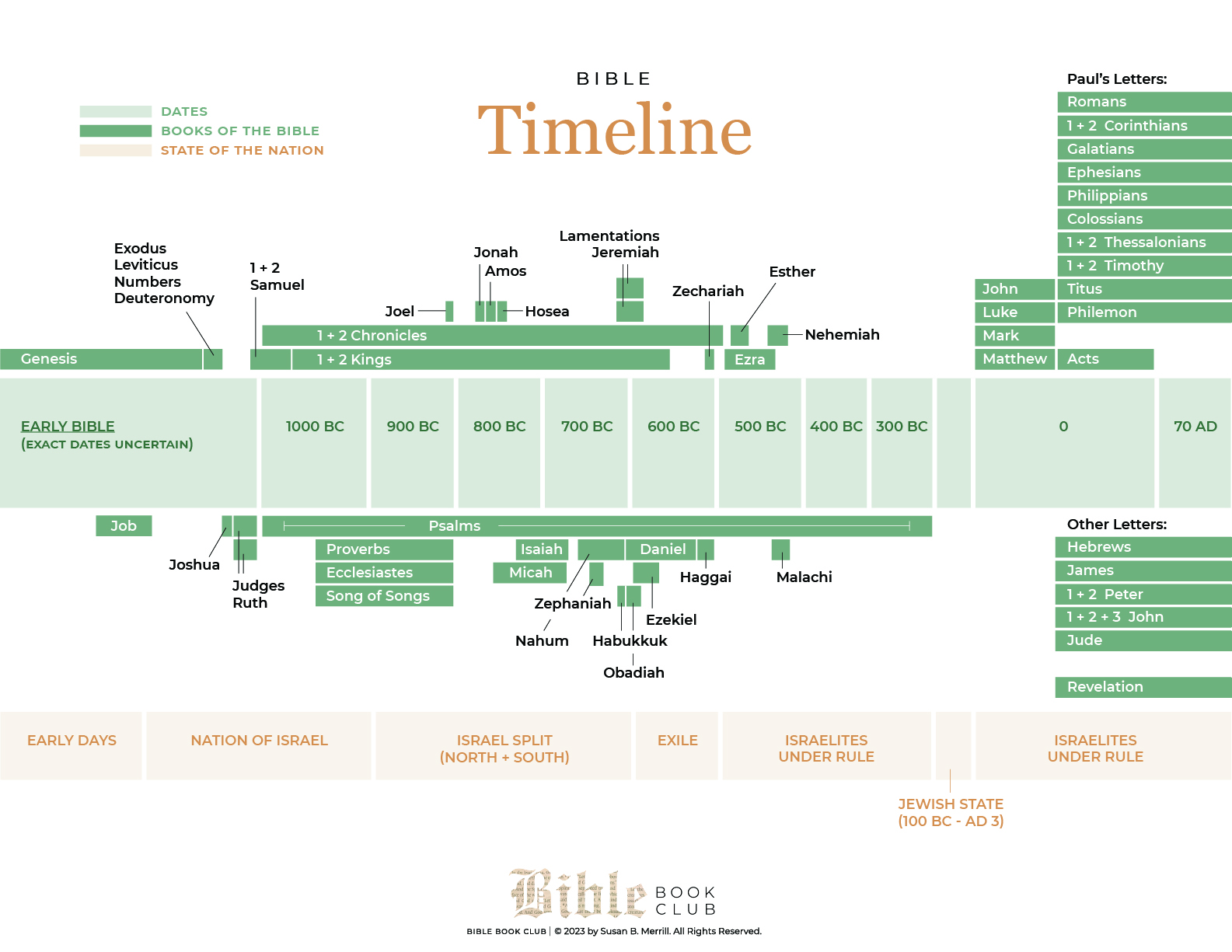
And the Book of Proverbs is unique in a couple of ways. As far as books go, it is dead center. It is the 20th book, and has 19 before it and 19 after it. That means when we finish our Proverbs Bible study, we will be over halfway through the Bible in terms of books and seasons.
Why did King Solomon include the Egyptian Instruction of Amenemope in Proverbs 22?
Perhaps Solomon learned a few things from his Egyptian princess wife, and it was passed on and reshaped under God's inspiration. Because there is an Egyptian Connection. A major section in Proverbs 22:17 through 24:22 parallels the Instruction of Amenemope, an ancient Egyptian wisdom text written centuries before Solomon.
Proverbs contains some hidden mathematical encryption. Apparently, Hebrew letters have numbers associated with them, called Hebrew gematria or letter-number arithmetic.
What is the hidden gematria code behind Solomon's 375 proverbs?
The title of the book fits the number of proverbs. The name Solomon, or in Hebrew Shelomoh, is spelled Shin-Lamed-Mem-He. The numbers associated with those letters are 300, 30, 40, and five, for a total of 375. Exactly 375 proverbs make up the core collection in chapters 10 through 22:16. A clever and balanced structural design by the editors.
One has to wonder, since we know Solomon wrote lots of proverbs, if the editors were deadlocked in a room arguing about how many to include. Some poor guy who desperately wanted to go home threw out the idea, and everyone said… brilliant!
The famous Proverbs 31 passage praising the virtuous woman is also cleverly balanced as an alphabetic acrostic poem. Each verse begins with a successive letter of the 22-letter Hebrew alphabet, serving as a memorization tool.
How does the Book of Proverbs fit into the Bible?
The Bible is a collection of stories that together tell a much larger story. The history of our redemption with Jesus as the ultimate hero. Proverbs belongs to the Old Testament, which has five divisions that are like a roadmap.
- The Torah gives us the rules of the road.
- The History Books show us what happened when Israel drove on the road.
- The Wisdom Books pull over at the rest stop to ponder:
- Where are we going?
- Why do people suffer?
- How do I navigate relationships?
- What makes life worth living?
Poetry and Wisdom Books
On our podcast journey, we have already finished the Torah and the History Books. We are now in the third division called the Poetry & Wisdom Books, which consists of:
What is the unique focus of each of the five Wisdom Books?
These books are quite different and have a unique purpose:
- Job: suffering.
- Psalms: worship and emotions such as joy, grief, and anger.
- Proverbs: living wisely.
- Ecclesiastes: the meaning in life.
- Song of Solomon: love and intimacy.
About the Book of Proverbs
What does mashal mean in the Hebrew Bible?
The Hebrew word for proverb is mashal, which means comparison. A mashal, or proverb, works primarily through comparison by putting two things side by side to illustrate how life works.
- The wise and the fool.
- The diligent and the lazy.
- The humble and the proud.
So a proverb is a pointed, poetic comparison that captures a truth about wise living. The purpose of a proverb is to compel the reader to compare their life to the truth of the proverb.
Who wrote the Book of Proverbs?
Certainly Solomon wrote a good deal of the book, but not all of it. In fact, Proverbs has more named authors than almost any other book in the Bible besides Psalms. Solomon is credited with the majority. Proverbs 1-9, Proverbs 10:1-22:16, and Proverbs 25-29 all open with his name.
In 1 Kings 3, recall that the Lord appeared to Solomon in a dream. God was pleased with Solomon and told him he could ask for whatever he wanted. This is how Solomon responded:
1 Kings 3:9-12 9 So give your servant a discerning heart to govern your people and to distinguish between right and wrong. For who is able to govern this great people of yours?” 10 The Lord was pleased that Solomon had asked for this. 11 So God said to him, “Since you have asked for this and not for long life or wealth for yourself, nor have asked for the death of your enemies but for discernment in administering justice, 12 I will do what you have asked. I will give you a wise and discerning heart, so that there will never have been anyone like you, nor will there ever be.
1 Kings 4:29-32 29 God gave Solomon wisdom and very great insight, and a breadth of understanding as measureless as the sand on the seashore. 30 Solomon’s wisdom was greater than the wisdom of all the people of the East, and greater than all the wisdom of Egypt. 31 He was wiser than anyone else, including Ethan the Ezrahite—wiser than Heman, Kalkol and Darda, the sons of Mahol. And his fame spread to all the surrounding nations. 32 He spoke three thousand proverbs and his songs numbered a thousand and five.
He spoke 3,000 proverbs! Only about 800 of them made it into this book.
Sadly, Solomon failed to live wisely, and so did his son King Rehoboam. One has to wonder whether Rehoboam, the future king, was who Solomon had in mind while writing. We will never know. Rehoboam wasn't the only one to skip reading the Proverbs. Many of the kings we covered in the books of Kings and Chronicles lacked wisdom. But Isaiah 11 promised there would one day be a wise one from this family of David.
Isaiah 11:1-3 1 A shoot will come up from the stump of Jesse; from his roots a Branch will bear fruit. 2 The Spirit of the Lord will rest on him—the Spirit of wisdom and of understanding, the Spirit of counsel and of might, the Spirit of the knowledge and fear of the Lord— 3 and he will delight in the fear of the Lord. He will not judge by what he sees with his eyes, or decide by what he hears with his ears;
This coming king would have the spirit of wisdom. That promised king is Jesus, and through Him, that same wisdom is offered to us.
How does Jesus compare to King Solomon in wisdom?
Jesus, the promised king, is so much wiser than Solomon. Jesus said of Himself in His chastisement of the Pharisees when they asked Him for miraculous proof of his authority:
Matthew 12:42 42 The Queen of the South will rise at the judgment with this generation and condemn it; for she came from the ends of the earth to listen to Solomon’s wisdom, and now something greater than Solomon is here.
Christ is wiser than Solomon! And a gentile foreign royal traveled a great distance to hear Solomon's wisdom and believed all she had heard about him to be true. Yet the Pharisees who had witnessed miracles with their own eyes refused to see the divine wisdom standing right in front of them. Therefore, the Queen of Sheba will judge them as fools.
That opportunity for wisdom is right in front of us too, in the Bible. Like the Pharisees, we have the opportunity to seize or silence it.
Who wrote Proverbs besides King Solomon?
Other authors of Proverbs other than Solomon include:
- A separate circle of sages, not Solomon, wrote the "sayings of the wise."
- A man named Agur about whom nothing else is known.
- King Lemuel, also otherwise unknown and possibly not even an Israelite king based on some Aramaic spelling in his sayings.
When was the Book of Proverbs written?
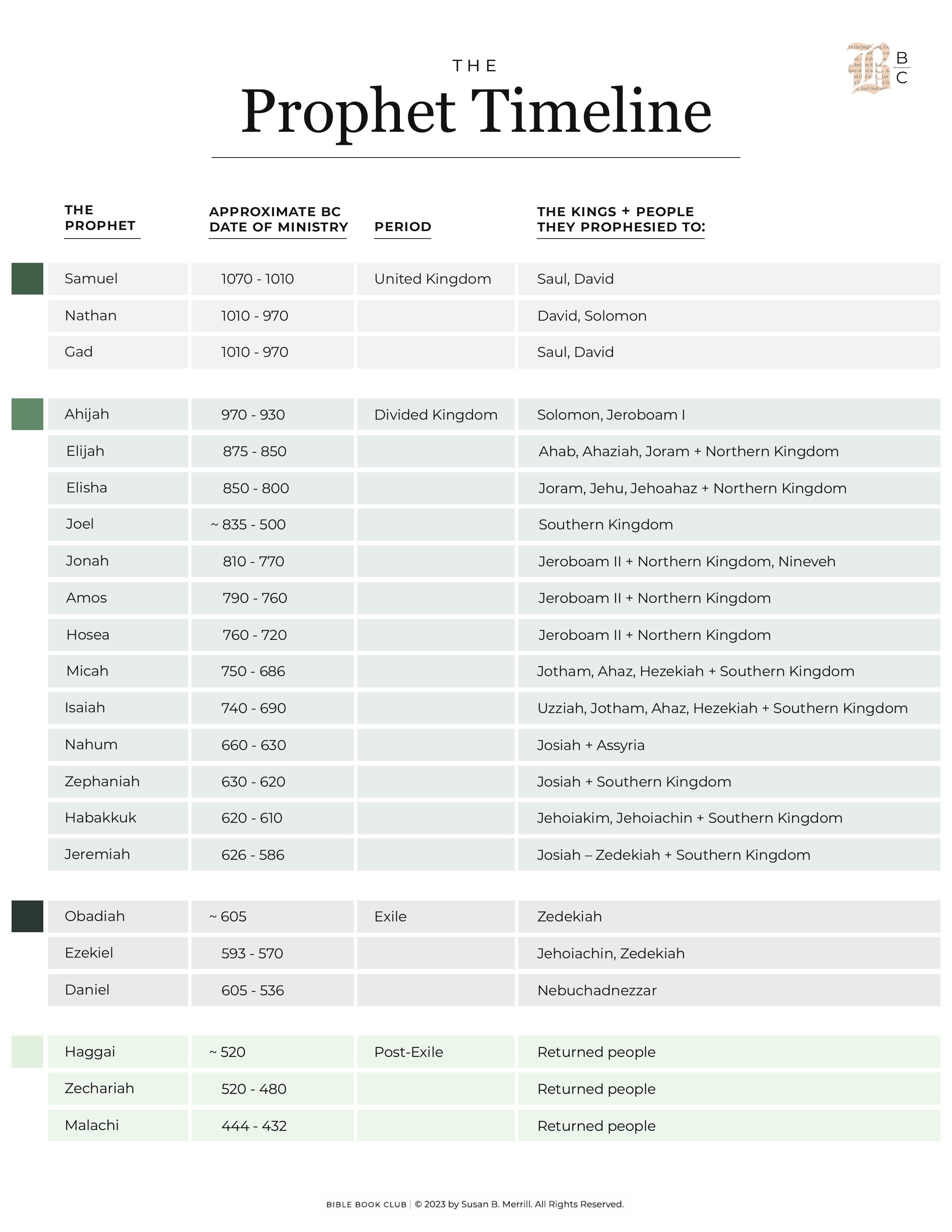
Like Psalms, this book was assembled over centuries, not written in one sitting. Solomon's own material dates to his reign, roughly 970-931 BC. The Hezekiah's-men material wasn't compiled until the late 8th century BC, some 250 years later. The book likely didn't reach its final form until Hezekiah's day or after.
How is the Book of Proverbs organized?
Unlike Psalms' five clean books, Proverbs is stitched from six identifiable sections:
- Chapters 1-9 are a father's extended instructions to a son, and Wisdom is personified as a woman calling out in the street.
- Chapters 10:1 through 22:16 contain Solomon's first collection of short, standalone one-verse sayings.
- Chapters 22:17 through 24:34 are the "sayings of the wise."
- Chapters 25-29 include Solomon's second collection copied by Hezekiah's scribes.
- Chapter 30 covers Agur's sayings.
- Chapter 31 covers King Lemuel's sayings and closes with the acrostic poem about the "wife of noble character."
The first nine chapters and the last two are connected. They are unbroken arguments with Proverbs 1:1-7 as the prologue and Proverbs 31:10-31 as the epilogue. The middle chapters, Proverbs 10-29, are different. They are hundreds of independent one-liners with no chapter-level narrative thread.
What is the difference between the Book of Psalms and the Book of Proverbs?
Where Psalms teaches us to talk to God, Proverbs teaches us to walk in front of Him. Proverbs states its own purpose in its opening verses. Almost no other book in the Bible does this so directly. Proverbs 1:2-6 says the book exists to gain wisdom and instruction, to give prudence to the simple, and knowledge and discretion to the young.
If you have been on the longer journey with us through the whole Bible, you just completed 20 episodes of Psalms over a third of a year, if you listened to one a week. In moving from Psalms to Proverbs, there is a significant mindset change.
To prepare us, I want to read a quote from Timothy Keller, who wrote a devotion on Proverbs called God’s Wisdom for Navigating Life, with his wife Kathy. Tim described the difference between Psalms and Proverbs as this:
"The Psalms are filled with expressions of emotion, of pain, joy, and praise. They show us how to process our experiences before God. Proverbs is a very different book. It calls us to study, to think, to learn the practical discipline of centering all our thoughts and actions on God. Indeed, one of the main messages of Proverbs is—you've never really thought enough about anything. Psalms is about how to throw ourselves fully upon God in faith. Proverbs is about how, having trusted God, we should then live that faith out."
This makes much sense when you consider the primary authors of each. David wrote half of the Psalms. He was a man known for his heart. His faith. Psalms guides the heart through emotion and prayer. It teaches us how to throw ourselves fully upon God in faith.
Solomon wrote most of Proverbs. He was a man known for his wisdom and his actions. Proverbs guides the mind toward practical, wise living and how, having trusted God, we should then live that faith out.
Although the book of Proverbs is a practical book that guides us on the path to wise living, its practical wisdom is grounded in the fear of the Lord Proverbs 1:7. And Proverbs personifies both wisdom and folly as women.
How does Proverbs personify wisdom and folly as women?
Lady wisdom warns. Lady folly entices. Each lady tries to persuade simple-minded youth to follow her ways. The structure is very organized, with a beginning, two sections in the middle, and an ending.
- Chapter 1: Beginning
- Chapters 2-4 (middle section 1): Devoted to wisdom
- Chapters 5-7 (middle section 2): Devoted to folly
- Chapters 8-9: Ending
Within the sections, the young men are faced with two temptations. They are enticed to folly by men trying to get ahead in the world by exploiting others, and they are enticed by women who seek sexual pleasure outside of marriage. These are the two big temptations of the day.
Fast forward to the end of the book, Chapter 31, an acrostic of the wife of noble character who exemplifies many of the values associated with wisdom. This focus on the ideal wife seems random. It is not. It has a purpose:
- To give the simple-minded young men advice on the kind of wife they should marry.
- To bring us back to the beginning by subtly implying they should metaphorically marry Lady Wisdom!
Set Up
Collection 1, chapters 1-9 of Proverbs, is credited to Solomon. These chapters contain 10 lectures from a father and mother to their son and two sermons by Lady Wisdom. Collection 1 is different than the five other collections. The others are mainly statements of truth. The purpose of the Collection 1 lectures is to motivate a son to embrace the proverbs in the following collections.
Scene 1: The Fear of the Lord Is the Beginning
Proverbs 1:1-7
1 The proverbs of Solomon son of David, king of Israel: 2 for gaining wisdom and instruction; for understanding words of insight; 3 for receiving instruction in prudent behavior, doing what is right and just and fair; 4 for giving prudence to those who are simple, knowledge and discretion to the young— 5 let the wise listen and add to their learning, and let the discerning get guidance— 6 for understanding proverbs and parables, the sayings and riddles of the wise. 7 The fear of the Lord is the beginning of knowledge, but fools despise wisdom and instruction.
What is wisdom, and how can we gain it?
That is the purpose of the Book of Proverbs, and Solomon is very clear about it in the first two verses. It is to gain wisdom, or hokma in Hebrew. That word in the Bible has a richer meaning. People called wise had skills, masterful understanding, and expertise.
With wisdom, a person can master the maze of life and achieve what would otherwise be impossible: a life path to eternity. On the other hand, the fool cannot and becomes lost for eternity. Solomon gives a number of wisdom descriptors to add more depth:
- Instruction.
- Learning.
- Prudence.
- Knowledge.
- Discretion.
- Discernment.
- Understanding.
Verse 3 reveals the target audience: those who are simple and young. Why? So they may have prudence, knowledge, and discretion.
Verse 7 reveals the foundation for this life-giving wisdom: it is the fear of the Lord.
Proverbs 1:7 7 The fear of the Lord is the beginning of knowledge, but fools despise wisdom and instruction.
This is the key verse of the entire book of Proverbs. Without a right relationship with God, we will never attain wisdom.
What does the fear of the Lord mean in Proverbs 1:7?
Fear does not mean terror. It means to revere and esteem God so much that his favor is your greatest desire. The behavior that follows such devotion is humble obedience. The contrast to the fear of the Lord is foolishness. And we will learn more about the consequences of the path to folly.
Scene 2: Say no if sinful men entice you. Do not give in.
With the purpose clearly spelled out for us, Solomon begins with his first lecture on how to gain wisdom in the Father-Son Speech 1.
Proverbs 1:8-19
Prologue: Exhortations to Embrace Wisdom
Warning Against the Invitation of Sinful Men
8 Listen, my son, to your father’s instruction and do not forsake your mother’s teaching. 9 They are a garland to grace your head and a chain to adorn your neck. 10 My son, if sinful men entice you, do not give in to them. 11 If they say, “Come along with us; let’s lie in wait for innocent blood, let’s ambush some harmless soul; 12 let’s swallow them alive, like the grave, and whole, like those who go down to the pit; 13 we will get all sorts of valuable things and fill our houses with plunder; 14 cast lots with us; we will all share the loot”— 15 my son, do not go along with them, do not set foot on their paths; 16 for their feet rush into evil, they are swift to shed blood. 17 How useless to spread a net where every bird can see it! 18 These men lie in wait for their own blood; they ambush only themselves! 19 Such are the paths of all who go after ill-gotten gain; it takes away the life of those who get it.
Peer pressure and temptation must have been as serious a problem then as they are now, because Verse 8 emphasizes that both parents are concerned. It says:
Proverbs 1:8 8 Listen, my son, to your father's instruction and do not forsake your mother's teaching.
The father then gives examples of what the tempter may say so the son will be on guard. Most of the examples have to do with murder for money. The father in this chapter clearly states Don't give in to them. In other words, just say no. The risk of not doing so is that you may be enticed.
Surely Adam and Eve are the greatest example of failing to resist enticement. Had Eve resisted engaging with the serpent, we wouldn't be where we are today.
On the other hand, Daniel, Shadrach, Meshach, and Abednego in Daniel 1 and Daniel 3 are excellent examples of putting the fear of the Lord ahead of the fear of man. Or, in this case, fear of the king. They all said no. They resisted the temptation to conform to Babylonian court culture by eating food against God's commands, and they refused to bow down to Nebuchadnezzar's statue.
Fortunately for them, they had each other, but what if you have been tempted alone? Joseph in Genesis 39 is one I think of often. He stood alone, abandoned by his family. When Joseph was enticed by Potiphar's wife, he ran with nowhere to go.
How does Joseph fleeing Potiphar's wife show us how to handle peer pressure and temptation?
Sometimes God calls us to fight evil. Sometimes God calls us to flee from evil. And sometimes when no is not enough, run.
- Leave the table
- Leave the room
- Leave the job
The Path to Good or Evil
Way back in our Genesis Bible study, we introduced a thought process tool for making the right choices called The Path to Good or Evil. What I love about this visual of the path and choices is thebuilt-inn grace. At any point on the wrong path, you can make a different choice to get on the right path, because there is always a path to forgiveness.
Scene 3: Listen to warning; how long will you love your simple ways?
In this Wisdom Speech 1, wisdom is personified as a woman crying out in public spaces and warning the people.
Proverbs 1:20-33
20 Out in the open wisdom calls aloud, she raises her voice in the public square; 21 on top of the wall she cries out, at the city gate she makes her speech: 22 “How long will you who are simple love your simple ways? How long will mockers delight in mockery and fools hate knowledge? 23 Repent at my rebuke! Then I will pour out my thoughts to you, I will make known to you my teachings. 24 But since you refuse to listen when I call and no one pays attention when I stretch out my hand, 25 since you disregard all my advice and do not accept my rebuke, 26 I in turn will laugh when disaster strikes you; I will mock when calamity overtakes you— 27 when calamity overtakes you like a storm, when disaster sweeps over you like a whirlwind, when distress and trouble overwhelm you. 28 “Then they will call to me but I will not answer; they will look for me but will not find me, 29 since they hated knowledge and did not choose to fear the Lord. 30 Since they would not accept my advice and spurned my rebuke, 31 they will eat the fruit of their ways and be filled with the fruit of their schemes. 32 For the waywardness of the simple will kill them, and the complacency of fools will destroy them; 33 but whoever listens to me will live in safety and be at ease, without fear of harm.”
Who is Lady Wisdom in Proverbs 1, and why does she warn fools in the streets?
Proverbs begins with a father instructing his son, using this interesting image of Lady Wisdom crying out in the streets. Her target audience is three types of at-risk people:
- The Simple
- The Mocker
- The Fool
Keep that picture of Lady or Woman Wisdom in mind, because it sets up the entire journey of this book. Thirty chapters later, the book will close with a mother instructing her son. And between those two voices, this woman, Lady Wisdom, will undergo a complete transformation.
Right now, "Lady Wisdom" isn't a friend. She is scary. She's this unknown, prophetic voice with an ominous warning. She’s like the Ghost of Christmas Present in Dickens' A Christmas Carol, haunting and urgent, suddenly appearing on your street with an all-too-real wake-up call. Or actually like the Ghost of Christmas Yet to Come, standing over the future and pointing to disaster down the road. She warns the foolish citizens to repent, and she will give them wisdom. If they don't, she will laugh at them, and they will eat the fruit of their ways. It is their choice.
How does Lady Wisdom in Proverbs 1 connect to the noble wife in Proverbs 31?
By the time we reach Proverbs Chapter 31, the haunting apparition of Lady Wisdom disappears and becomes a real woman. She is familiar, approachable, and relatable. You know her. She could be your friend, a neighbor, a mother, a wife, or daughter. She has rolled up her sleeves and acted on her faith. She is doing the hard work, and she is fulfilling her purpose.
The journey begins with one image and ends with another. Proverbs 1 introduces wisdom as an idea in your head, but by the end, it becomes a work of your hands. If you want to live a life of faith in action, this Proverbs Bible study will be your "how-to." The apostle James tells us that wisdom is attainable.
James 1:5 5 If any of you lacks wisdom, you should ask God, who gives generously to all without finding fault, and it will be given to you.
Wisdom is a goal. It’s an attribute so important that God wrote about it in the gospel of Luke regarding his son, Jesus Christ. And note that He put “wisdom” first.
Luke 2:52 52 And Jesus grew in wisdom and stature, and in favor with God and man.
- God can give it.
- Jesus modeled it.
- Lady Wisdom is after us for an answer.
Group Discussion Questions for Proverbs 1
- Proverbs 1:7 defines fear of the Lord as revering God so much that His favor becomes your greatest desire. How could framing "fear" as reverent devotion change how you face social pressure or expectations this week?
- Solomon received unmatched wisdom, yet still struggled to live wisely. Where do you notice a gap between knowing what's wise and actually doing it in your life?
- In Proverbs 1, Lady Wisdom is a prophetic, alarming voice warning people in the streets. By the end of the book, she is a relatable Proverbs 31 woman who rolls up her sleeves and acts on her faith. Who has been a "Lady Wisdom" figure in your life, and how could you move wisdom out of your head and into daily action?