Nehemiah 1 Introduction
Nehemiah is my all-time favorite book. In fact, over a decade ago, I wrote an entire book about parenting called The Passionate Mom, drawing on lessons from Nehemiah. Why do I love this book? Because I want to live a strategically purposeful life for the Lord, just like Nehemiah. He was a man of purpose and strategy, and he provided a pattern for us to follow. Nehemiah didn't just love the Lord; he locked in on God's will and tactically took action for the Lord.
What is Nehemiah’s "alliteration of P" leadership style?
Nehemiah’s story is an alliteration of the letter P because Nehemiah:
- Perceives the situation.
- Ponders the problem.
- Uses passion to be a force.
- Prays for direction and favor.
- Patiently waits for opportunities.
- Plans methodically.
- Perseveres through opposition.
Nehemiah perceives, ponders, prays, plans, prepares, and perseveres. Add to that the fact that he is passionate, patient, and well…you get the picture. When I face trials of any kind, or have a job that seems insurmountable, I put on my Nehemiah persona. What would Nehemiah do? In this book, we are going to find out, and I hope it will impact your life as much as it has mine!
Things do not always go the way Nehemiah wants them to, but no matter what happens, he performs well. He can’t control the outcome, but he can control his own performance. That is all we can do, too. Answer the call and play our part.
Recap of Where We Are and How Nehemiah Fits into the Bible
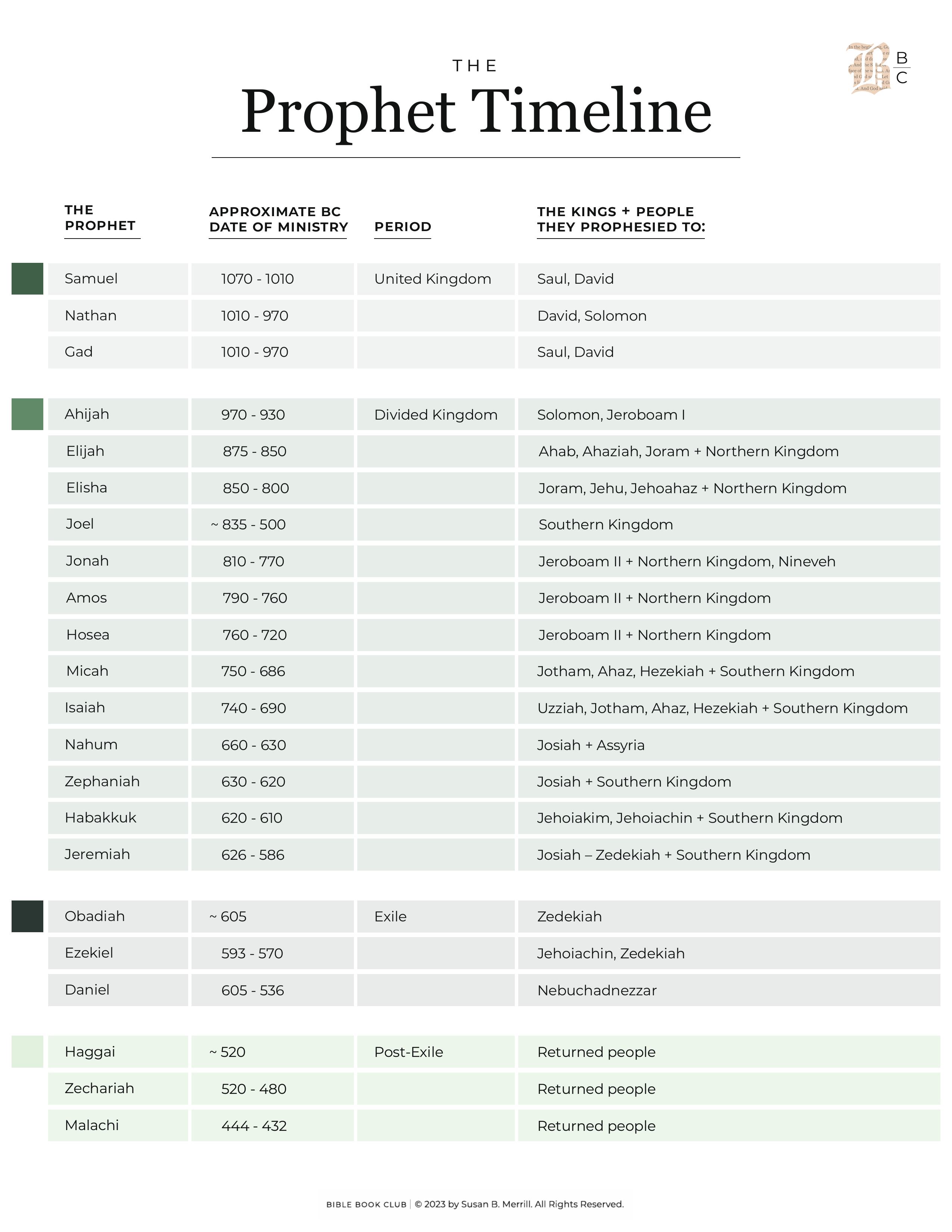
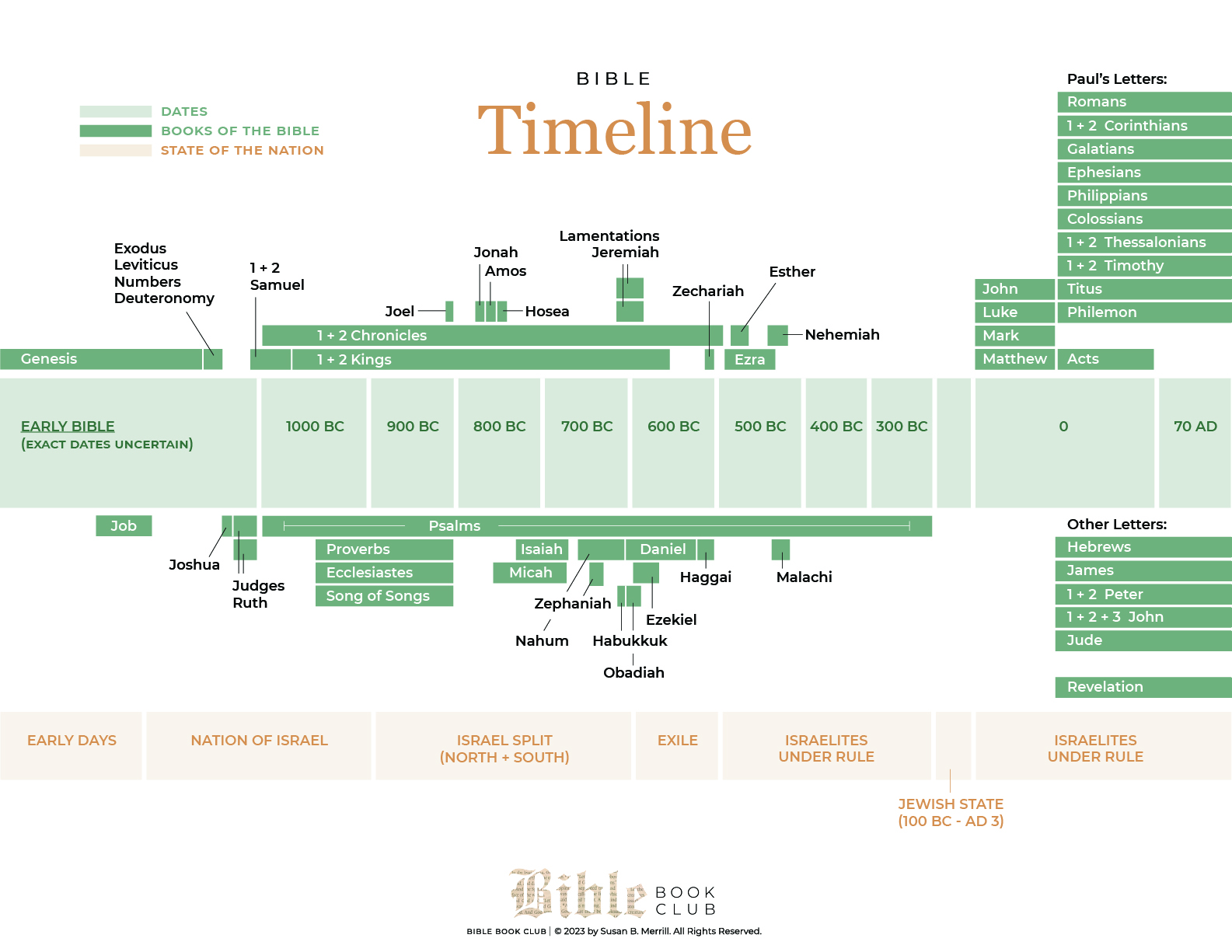
The Bible is a collection of small stories that together tell a much larger story of the entire history of our redemption, with Jesus as the ultimate hero. The Old Testament has five divisions. In the Bible Book Club, we have finished the first division called the Pentateuch or Book of the Law. These are the first five books of the Bible. Now we are in the second division, called the History Books. There are 12 of these books, and we have discussed 10 of them.
What are the two primary divisions of the Book of Nehemiah?
Within the book of Nehemiah, there are two primary divisions: chapters 1-7 and 8-13.
- Chapters 1-7 focus on the external, physical issues of building the wall.
- Chapters 8-13 focus on internal, spiritual issues of the people's hearts.
About the Book of Nehemiah
The books of Ezra and Nehemiah were once one book, and it is thought that Ezra and Nehemiah wrote these books in tandem.
What is the main theme of the Book of Nehemiah?
The main theme for the Book of Nehemiah is restoration and renewal, both spiritually and physically. The people need to return to God spiritually, and that means a return to Jerusalem physically. It will be:
- A return to worship.
- A rebuild of the Temple.
- A return to the promises of God, including:
- The promise in the Mosaic Covenant: the land.
- The promise of the Davidic Covenant: a Messiah.
Their restoration to God will bring a restoration to the land. In returning to the land, they carry with them the "seed" of God's promised Savior for all nations through the line of David.
Key Verse in Nehemiah
Nehemiah 4:14 14 “Don’t be afraid of them. Remember the Lord, who is great and awesome, and fight for your families, your sons and your daughters, your wives and your homes.”
What is the main message of the book of Nehemiah?
The book of Nehemiah is the story of a prayerful leader who rebuilt both Jerusalem's walls and the people's faith despite relentless opposition.
The Reality of Imperfect Leadership
Both Ezra and Nehemiah are stories about good leaders who give everything they've got, working hard and praying earnestly, but they still can’t fully achieve what they set out to do. The theme of "incomplete success" plays a significant role in the broader Bible story. The point is, even though the Israelites have returned, they still can't win without that one perfect, redeeming Messiah King. Only Jesus has the power to complete what human leaders can’t.
Jesus is the final sacrifice. The Temple is no longer needed for animal sacrifices to atone for sin. Jesus's death on the cross is the one, perfect, and ultimate sacrifice that makes all other sacrifices obsolete. Jesus replaces the Temple as the meeting point between God and humanity. The Apostle John said:
John 1:14 14 The Word became flesh and made his dwelling among us
The Greek word for "dwelling" is the Hebrew word for "tabernacle," suggesting that God's presence is no longer confined to a building but is present in the person of Jesus.
Jesus is our access to God. The Temple had a veil that separated the Holy of Holies (God's presence) from the rest of the world. At the moment of Jesus's death, the Bible states the Temple veil was torn from top to bottom (Matthew 27:51), symbolizing that through Jesus, direct access to God is now available to all believers.
Zerubbabel, Ezra, and Nehemiah all tried to bring Israel into a right relationship with God. Their efforts are commendable but incomplete. God is making His case that we need a Divine Savior.
The Pattern of Hope and Disappointment
The pattern of hope and disappointment repeats three times throughout the books of Ezra and Nehemiah. Each cycle starts the same way: a Persian king decides to help, sponsors an Israelite leader, and sends a group of exiles back to rebuild Jerusalem.
What are the three waves of Israelite returns from exile?
- First Return in 538 BC led by Zerubbabel to rebuild the Temple (Ezra 1-6)
- Second Return in 458 BC led by Ezra to restore commitment to God's Law (Ezra 7-10)
- Third Return in 444 BC led by Nehemiah to rebuild the city walls (Nehemiah 1-7)
There is so much hope and possibility at the beginning of each wave! But every single time they:
- Start strong.
- Make real progress.
- Hit the same two problems: enemies attacking from the outside, people failing on the inside.
Setup for the Book of Nehemiah
Nehemiah lives in the post-exilic period, a time of uncertainty for the Israelites. The backstory on the time period is that in 586 BC, the king of Babylon captured the Israelites. The Babylonian army ransacked, destroyed, and burned the city of Jerusalem, including Solomon's Temple and the wall protecting the city. Most of the Israelites who survived were enslaved and marched hundreds of miles away to Babylon.
Forty-seven years later, in 539 BC, the king of Persia invaded and conquered the Babylonians. The Persian kings had a different philosophy for ruling, and over time, Kings Cyrus, Darius, and Artaxerxes encouraged the Israelites to return to Jerusalem. So they did. Once resettled, they worked to restore what the Babylonians had destroyed.
After years of struggle, the poor Israelites managed to restore the Temple, but that was as far as they got. The city and its surrounding wall were still a mess, and the people and the Temple were exposed and in danger. The Israelites needed a leader to rebuild the wall.
Nehemiah, like Ezra and Esther, is called to a purpose for such a time as this. The people need protection. The Temple needs protection. And Nehemiah is the man with the plan to do both.
What is the significance of the year 445 BC in the Book of Nehemiah?
As the Book of Nehemiah begins, it is 445 BC, about 13 years after Ezra went to Jerusalem with the second wave of exiles. King Artaxerxes, the son of Esther's husband Xerxes, is in power, and the people, no longer a nation, are still in a perilous situation because:
- God is not dwelling in the Temple. The Temple is rebuilt but never filled with God's glory.
- No Davidic king is restored. Political independence remains elusive.
- Hearts aren’t fully transformed. The leadership can’t solve the deeper problem of human nature.
Scene 1: Nehemiah Receives News and Perceives the Problem
Nehemiah 1:1-3
1 The words of Nehemiah son of Hakaliah: In the month of Kislev in the twentieth year, while I was in the citadel of Susa, 2 Hanani, one of my brothers, came from Judah with some other men, and I questioned them about the Jewish remnant that had survived the exile, and also about Jerusalem.
3 They said to me, “Those who survived the exile and are back in the province are in great trouble and disgrace. The wall of Jerusalem is broken down, and its gates have been burned with fire.”
How did Ezra introduce himself in Ezra 7?
Ezra built a very lengthy case for why he was qualified to lead the exiles, but not Nehemiah. He says two things, 13 words total.
- In the opening of this chapter, Nehemiah says he is the son of Hakaliah.
- At the end of the chapter, Nehemiah says he is the cupbearer to the king.
These two facts define Nehemiah’s qualifications for this job.
- He is standing with the Jews. He is the son of Hakaliah, and therefore he is Jewish.
- He is standing with the Persians. He is the cupbearer; therefore, God has placed him in a position of power with the King.
Note to Us
We have standing with the King of Kings. The same God who positioned a Jewish cupbearer in the palace in Persia has strategically positioned us where we are. The question is, will we use our identity and influence for the Kingdom like Nehemiah did?
Picture the Scene in Nehemiah 1
One day, Nehemiah is on a break between sipping wine for the king as cupbearer, and he gets a visitor. It's his brother Hanani, all the way from Judah, which is a big-deal visit. It's about a 1,000-mile trek on foot or by donkey or something similar. Hot, dusty, long, boring, and probably dangerous. Nehemiah is excited and curious to discover why they are here. So he jumps in and questions his visitors in search of news about their people who have survived the Babylonian exile and returned to Jerusalem. The news is not good.
What news does Hanani bring to Nehemiah about Jerusalem?
Hanani tells Nehemiah, “Those who survived the exile and are back in the province are in great trouble and disgrace. The wall of Jerusalem is broken down, and its gates have been burned with fire.” (Nehemiah 1:3)
And then a waitress brings Nehemiah and his guests some coffee, and they discuss their upcoming holiday and vacation plans. I'm kidding. But isn't that the way it usually goes with visits from our friends? How many times have we sat having coffee with a friend and discussed the news? We talk about the lives of others, but do we really care? When you hear of a death, a broken marriage, a rebellious teen, or a financial misfortune, do you respond with interest, concern, and caring, shaking your head sadly over the tragic news and then forget about it 10 minutes later?
Nehemiah Doesn’t Forget
Nehemiah doesn’t move on. He immediately:
- Perceives that there is a problem.
- Thinks about what it means for the safety and welfare of the people.
- Grieves for the danger and their future.
The Israelites are in trouble, and what they need is for someone to notice. They have their man in Nehemiah.
Nehemiah is Perceptive
Nehemiah has developed something every believer needs: depth perception. Perception is the vital ability to listen to and process what is really happening in our culture or in the lives of the people around us. It is not easy to force ourselves to comprehend difficulties fully and to feel concern and even anguish. But to love others well, it is necessary.
Nehemiah is miles away from his people when he hears the bad news, but he still cares about them and makes it his business to know their world. He is:
- Alert to the cares of those he loves. Nehemiah is a very busy man with a job that could easily have gone to his head and made him selfish, but it didn’t.
- Available to listen to his friends. Nehemiah puts aside his busy concerns and intently inquires about the Israelites’ welfare.
- Attentive. Because Nehemiah is alert, available, and attentive, he gets it. He fully understands the magnitude of the danger his people are in without a wall to protect them.
Scene 2: Nehemiah Is Passionate
We know from just one verse that Nehemiah is passionate.
Nehemiah 1:4
4 When I heard these things, I sat down and wept.
Why does Nehemiah's reaction to the news reveal his passion for his people?
Nehemiah hears the distressing news about his people's safety, and he sinks into a chair and weeps. His passion is so great that the emotion overwhelms and consumes him for days. In fact, his passion will drive the rest of his story. It is the fuel that keeps him focused on the task for which God has exclusively designed him.
Passion makes Nehemiah a bold and courageous leader for Israel. It drives him to action. He does not freeze in fear. He pours his passion into action: organized, calculated, purposeful action. His passion never fails because it is fueled by love. Nehemiah loves his God and loves his people, and he will do anything for them.
Matthew 6:21 21 For where your treasure is, there your heart will be also.
I would add that where your heart is will fuel your passion.
Scene 3: Nehemiah Ponders the Problem
Nehemiah 1:4 (continued)
4 … For some days, I mourned and fasted and prayed before the God of heaven.
Nehemiah ponders his people’s desperate situation for days.
- Perception is the ability to see what is happening around us.
- Pondering is deliberately contemplating the significance of what you perceive.
Nehemiah Perceives
Nehemiah, a man of wisdom, perceives the tragedy of the situation, and it grieves him. In fact, it grieves him so much that he takes the time to mourn, fast, and pray about it for days. He allows himself to feel the sadness of the situation. Painful, yes, but necessary if one is going to ponder something difficult. Nehemiah knows that Israel’s plight is critical and that it has been brought to his attention for a reason, so he gives time to pondering his people’s needs.
Nehemiah Ponders
Pondering takes time, which is not easy when you work for the most powerful king in the world. I imagine there is a long list of people waiting to take Nehemiah’s position if he slacks off, so there is a lot of pressure to keep up his performance at all times. But he does not allow work concerns to usurp God’s concerns. His priority is to ponder the news that has been laid at his feet: the devastation of God’s chosen people. Their lives and their future are at risk. Is there anything he can do about it?
A Note for Us
Something for us to think about is whether anyone really has time to ponder today. We pack more into a day than ever before in history. The reality is we do have time to ponder; we just use that time for other things. Pondering takes time and selflessness. We have to give up time in less productive endeavors to be productive for God.
Perception and pondering fuel passion. For example, had Nehemiah not been pondering the situation in Jerusalem over the years, would he have even thought to ask his brother about it? If he had been distracted and not listening, would he have perceived the problem? No, he would have missed the opportunity. But he did listen, and it drove Nehemiah's heart. It fueled a fire that expanded his capacity far beyond himself.
Passion can do the same for us. We must perceive the doors God opens to us and ponder the opportunity until passion grows. Then we can take that passion and put it into action. But before taking any action, we should follow Nehemiah's lead and pray. Prayer is the right response to passion.
Scene 4: Nehemiah Prays
Nehemiah 1:5-11
5 Then I said: “ Lord , the God of heaven, the great and awesome God, who keeps his covenant of love with those who love him and keep his commandments, 6 let your ear be attentive and your eyes open to hear the prayer your servant is praying before you day and night for your servants, the people of Israel. I confess the sins we Israelites, including myself and my father’s family, have committed against you. 7 We have acted very wickedly toward you. We have not obeyed the commands, decrees and laws you gave your servant Moses.
8 “Remember the instruction you gave your servant Moses, saying, ‘If you are unfaithful, I will scatter you among the nations, 9 but if you return to me and obey my commands, then even if your exiled people are at the farthest horizon, I will gather them from there and bring them to the place I have chosen as a dwelling for my Name.’
10 “They are your servants and your people, whom you redeemed by your great strength and your mighty hand. 11 Lord, let your ear be attentive to the prayer of this your servant and to the prayer of your servants who delight in revering your name. Give your servant success today by granting him favor in the presence of this man.”
The Greatest Examples of Prayer
If you Google or ask AI (I asked ChatGPT and Claude) what the 10 greatest examples of prayer in the Bible are, this next one would be on the list for good reason. Nehemiah does nothing without a well-thought-out structure. This structure may not be new to you.
What is the four-part structure of Nehemiah’s prayer in chapter 1?
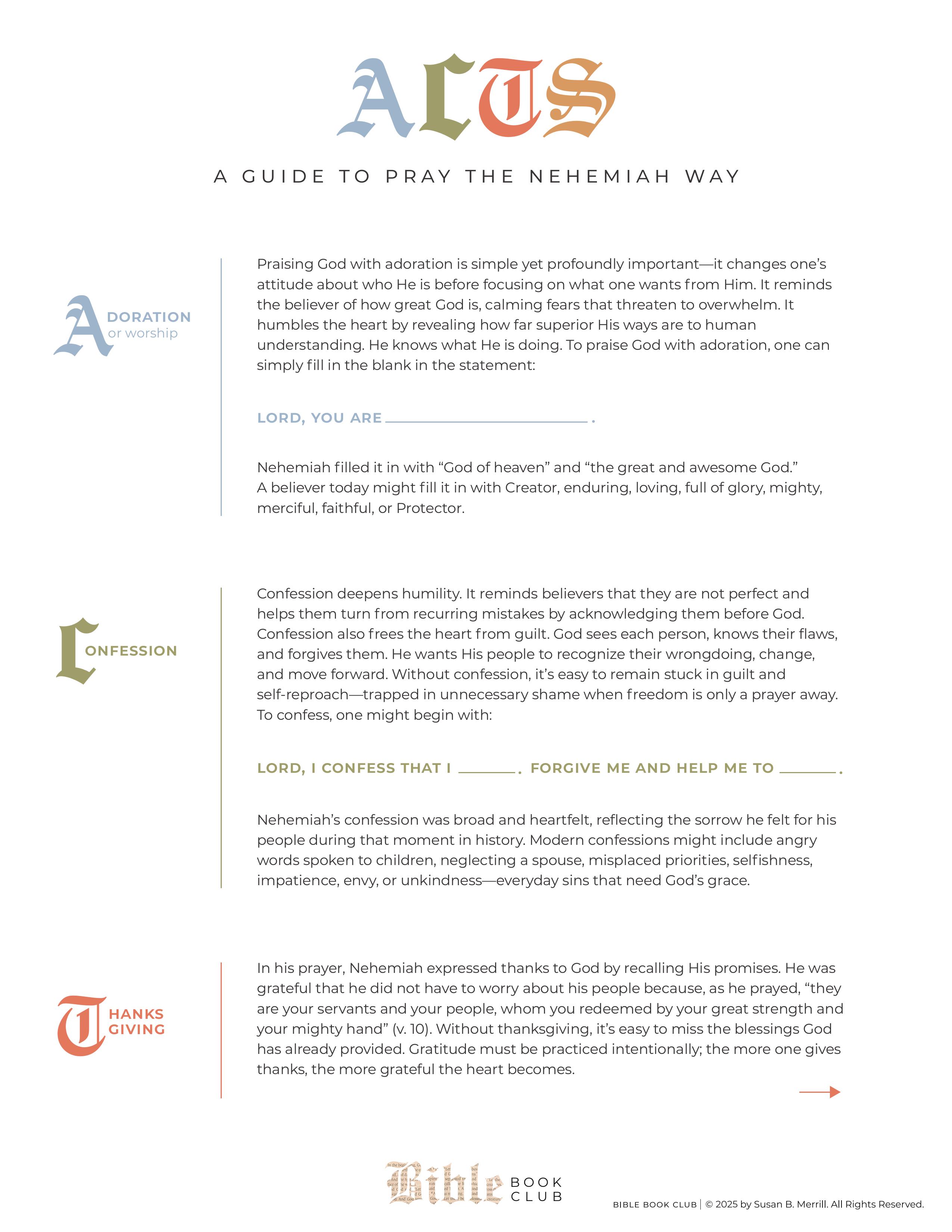
The four-part structure of Nehemiah’s prayer in chapter 1 is: praise, confess, thanks, and request.
- Nehemiah opens by praising God.
Nehemiah says God is: the God of heaven, great and awesome, and one who keeps his covenant of love. Acknowledging who God is in our prayers reminds us that God is so far above, seeing all, knowing all, and having a plan for all. That includes us. This positioning can comfort and encourage us. And recall that the word encourage contains the word courage. When we are encouraged in the Lord, we feel the courage to act for the Lord.
- Nehemiah confesses to God. In this case, Nehemiah confesses for his people, including himself. He is a member of this family of sons from the 12 tribes of Jacob, and their sin is clearly expressed in his request for forgiveness. They have not obeyed the commands given to Moses.
- Nehemiah expresses his thanks. The thanks in this prayer is obscure, but hear me out. Nehemiah expresses his thanks to God by recalling the promise that God made to his people. Nehemiah is grateful that he doesn’t need to worry about his people because of what God has done. "They are your servants and your people, whom you redeemed by your great strength and your mighty hand."
- Nehemiah requests or petitions God for what is on his heart.
Nehemiah’s request is so brief that it is initially unclear what he is asking. First, he wants God to hear him. Then he asks for success or some interpretation of mercy. Success for what? Nehemiah doesn't say, perhaps because he has been mourning the problem for months and knows that God knows exactly what he intends to do. He just needs success with the king to do it, and so he asks for favor. One of my favorite words in the Bible is favor. If we could all find favor with others, how glorious would the kingdom be?
- Abraham, Noah, and Joseph found favor in Genesis.
- Moses asked for and received favor in Exodus.
- Hannah asked for favor, and Samuel grew in favor in 1 Samuel.
- Esther found favor in the Book of Esther.
- Mary found favor in Luke.
- Jesus grew in favor with both God and man.
Well, Nehemiah needs God to give him favor with this man, meaning the king, because if he doesn't find favor, the king could kill him for asking. And, oh yes, he asks for success and favor today. Why and how he knows he needs it today, I don't know, but God is only too happy to give this humble, willing, courageous servant such a right request.
If you have never prayed with these four steps (praise, confess, thanks, request) and would like to pray more purposefully, we have created a simple guide for you.
What did Nehemiah do first?
First, Nehemiah turns to God for months. Prayer is his first step toward developing a plan for his people. He has other choices. He could jump right into planning: call a meeting, set up committees, raise money, and take charge. But he does not.
Nehemiah is so wise. Whatever past experiences God has provided him with, he has learned his lessons well from them. He knows he needs the Lord to be the leader of his expedition, so he prays. He knew better than to waste one minute trying to plan without consulting God.
We will save a lot of time and energy if we follow Nehemiah’s example and pray first. We really cannot skip this step. Another humble man of great power and influence felt the same way as Nehemiah about prayer. Abraham Lincoln said of prayer, "I have been driven many times to my knees by the overwhelming conviction that I had nowhere else to go. My own wisdom and that of those about me seemed insufficient for the day."
Scene 5: Nehemiah Accepts That He May Be Called
Nehemiah perceives, so he ponders. He is passionate, so he prays.
How does Nehemiah’s role as cupbearer influence his response to the crisis?
Nehemiah opened this chapter, this book, with a simple statement:
Nehemiah 1:1 1 The words of Nehemiah son of Hakaliah:
Nehemiah 1:11 11 I was cupbearer to the king.
In other words, I hear you, God. You have always known why you put me in this position. Well, now I know too. I am a Jewish cupbearer to the king for such a time as this to save God’s people. I am ready, and I am willing. So simple, so accepting, so humble. Yet we will see in the chapters to come that behind this man’s serene acceptance lies a fierce determination to execute God’s will.
Join us for our Nehemiah 2 commentary here.
Group Discussion Questions for Nehemiah 1
- Nehemiah didn't rush past the pain of his people. He paused to feel it and take it to God. When hard news moves your heart, do you tend to shut it out, rush to fix it, or take it to prayer?
- Nehemiah praised, confessed, and gave thanks before asking God for anything. What do you think might change in your heart or perspective if you prayed in that order?
- After perceiving, pondering, and praying, Nehemiah accepts that he may be called to help. How can you take time this week to perceive what suffering moves your heart the most, ponder your current role in life (work, home, community), and pray about how God might be calling you to help?