Nehemiah 9 Introduction
The returned exiles in Judah are coming to grips with the reality that they are no different than the Israelites who wandered around for 40 years in a spiritual wilderness. They were sent into exile for all the same reasons as their forefathers, and the realization is humbling. But it leads them to the right response, and the right response to conviction is repentance.
- Turning away from sin to God.
- Accepting that God forgives you.
- Living from then on, free from sin's power.
However, would any of this have happened if they had not read the Law? No. And that’s the power of sin. Without the Law, we don't know what we are doing is wrong. The Law defines or reveals sin. The apostle Paul said it like this:
Romans 7:7 7 I would not have known what sin was had it not been for the law. For I would not have known what coveting really was if the law had not said, "You shall not covet."
Without the Law or a standard, we wouldn't know right from wrong. We are at risk of being just like the Israelites. Without knowledge, there is no conviction, repentance, or forgiveness of sin. While a lack of knowledge certainly contributes to the power of sin, there is more to understanding its potential hold on us. The apostle Paul explains:
Romans 7:14-25 14 We know that the law is spiritual; but I am unspiritual, sold as a slave to sin. 15 I do not understand what I do. For what I want to do I do not do, but what I hate I do. 16 And if I do what I do not want to do, I agree that the law is good. 17 As it is, it is no longer I myself who do it, but it is sin living in me. 18 For I know that good itself does not dwell in me, that is, in my sinful nature. For I have the desire to do what is good, but I cannot carry it out. 19 For I do not do the good I want to do, but the evil I do not want to do—this I keep on doing. 20 Now if I do what I do not want to do, it is no longer I who do it, but it is sin living in me that does it.
21 So I find this law at work: Although I want to do good, evil is right there with me. 22 For in my inner being I delight in God’s law; 23 but I see another law at work in me, waging war against the law of my mind and making me a prisoner of the law of sin at work within me. 24 What a wretched man I am! Who will rescue me from this body that is subject to death? 25 Thanks be to God, who delivers me through Jesus Christ our Lord!
Let’s interpret that. Since the Fall in the Garden, we have been slaves to sin. We don't do what we want to do (obey the Law) even though we know it is right, because we have "another law at work," as Paul says. A sinful nature continually pulls us in the wrong direction. That is the power of sin. It's a war that rages within us. One the Israelites just can’t win. All the prophets and sacrifices of the Old Testament can’t save them. God is making a point in the Old Testament: Humanity needs a Savior. And, as Paul reminded us in this passage, we get one: "Thanks be to God, who delivers me through Jesus Christ!"
So how do we break free from the power of sin? We must know the Word so we can recognize right from wrong in God's eyes. Then, if we have sinned, we must break free with the right response. The right response to the conviction of sin is repentance.
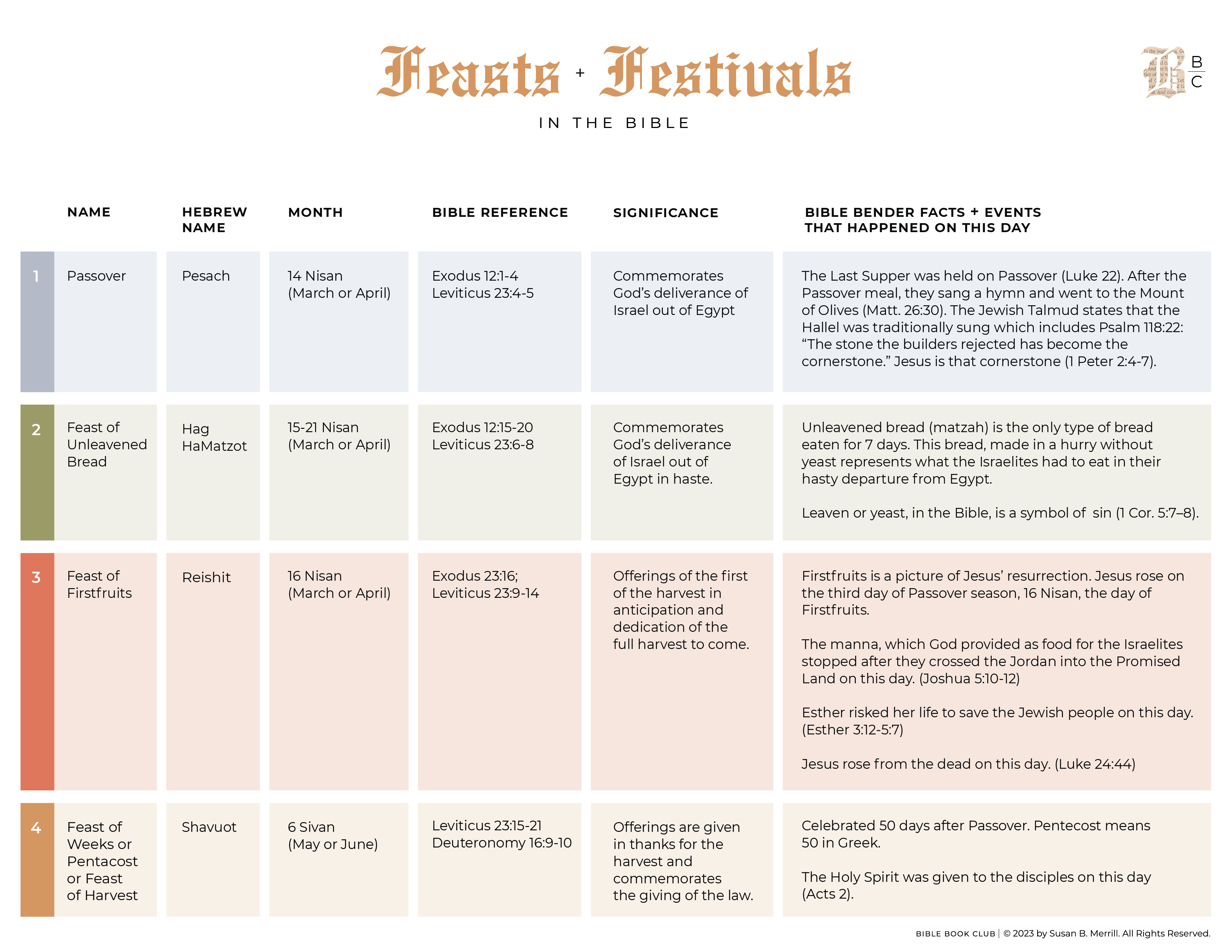
In this chapter, the Israelites have just finished celebrating the seven-day Feast of the Tabernacles, which they celebrated because they learned they should when they read the Book of the Law. It is the day after, and the people have assembled once again, but this time it will not be a celebration but a solemn day of reflection and repentance. Because they also learned that they have sinned.
Scene 1: The Israelites Confess Their Sin
Nehemiah 9:1-3
1 On the twenty-fourth day of the same month, the Israelites gathered together, fasting and wearing sackcloth and putting dust on their heads. 2 Those of Israelite descent had separated themselves from all foreigners. They stood in their places and confessed their sins and the sins of their ancestors. 3 They stood where they were and read from the Book of the Law of the Lord their God for a quarter of the day, and spent another quarter in confession and in worshiping the Lord their God.
How did the Israelites publicly demonstrate repentance in Nehemiah 9?
The people are publicly owning their sins by dressing in sackcloth. Sackcloth is like burlap, coarse and very scratchy. Wearing sackcloth is an expression of discomfort. It is used either when mourning or repenting as an external expression of an internal condition. It tells the world they are as uncomfortable inside as out.
These visual reminders of their heart condition are awesome. I don’t want to wear sackcloth, but hiding our sin or grief is not good for us. You see, God doesn't want us to be comfortable in our sin. If we are comfortable, it means we are desensitized. By putting on sackcloth, they are saying to the world, "I may have been comfortable in my sin before, but I feel it now. I am uncomfortable, and I repent."
What is the schedule for the day of confession in Nehemiah 9?
On this day, the Israelites put on sackcloth as a community and stand for a quarter of the day listening to the Word and another quarter of the day confessing and worshipping. They spend half a day listening, confessing, and worshipping, all in the name of repentance.
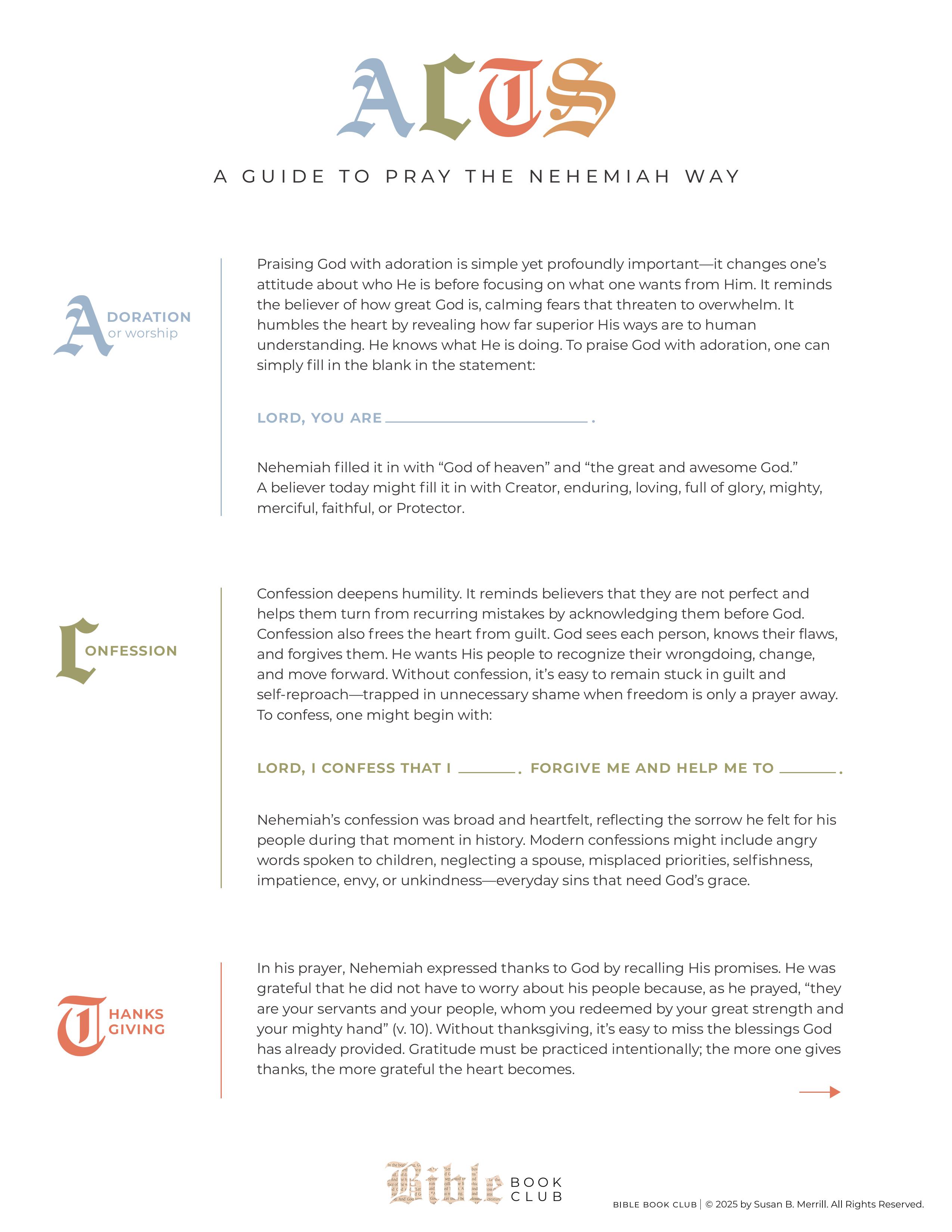
I have never done that. In fact, since we are discussing confession, when was the last time I made myself uncomfortable for the Lord to remind me of my sin? Never, really. That is conviction right there. Ouch. I promise I get more out of my study for these discussions than anyone. I am going to circle back to the ACTS model printable we created and focus more on the “C” in ACTS, which stands for confession. Hopefully, I will give my heart more time to be uncomfortable with what I have done. In other words, grieve and ponder over it so that I turn from it and never do it again.
How is the ACTS model of prayer applied in Nehemiah 9?
Throughout Nehemiah 9, the Levite leaders are going to loosely follow the ACTS model of prayer . They begin the corporate prayer of repentance with the “A” in ACTS, which stands for adoration or worship.
Scene 2: The Levites Lead the People in Prayer
Nehemiah 9:4-31
4 Standing on the stairs of the Levites were Jeshua, Bani, Kadmiel, Shebaniah, Bunni, Sherebiah, Bani and Kenani. They cried out with loud voices to the Lord their God. 5 And the Levites—Jeshua, Kadmiel, Bani, Hashabneiah, Sherebiah, Hodiah, Shebaniah and Pethahiah—said: “Stand up and praise the Lord your God, who is from everlasting to everlasting.”
“Blessed be your glorious name, and may it be exalted above all blessing and praise. 6 You alone are the Lord. You made the heavens, even the highest heavens, and all their starry host, the earth and all that is on it, the seas and all that is in them. You give life to everything, and the multitudes of heaven worship you.
7 “You are the Lord God, who chose Abram and brought him out of Ur of the Chaldeans and named him Abraham. 8 You found his heart faithful to you, and you made a covenant with him to give to his descendants the land of the Canaanites, Hittites, Amorites, Perizzites, Jebusites and Girgashites. You have kept your promise because you are righteous.
9 “You saw the suffering of our ancestors in Egypt; you heard their cry at the Red Sea. 10 You sent signs and wonders against Pharaoh, against all his officials and all the people of his land, for you knew how arrogantly the Egyptians treated them. You made a name for yourself, which remains to this day. 11 You divided the sea before them, so that they passed through it on dry ground, but you hurled their pursuers into the depths, like a stone into mighty waters. 12 By day you led them with a pillar of cloud, and by night with a pillar of fire to give them light on the way they were to take.
13 “You came down on Mount Sinai; you spoke to them from heaven. You gave them regulations and laws that are just and right, and decrees and commands that are good. 14 You made known to them your holy Sabbath and gave them commands, decrees and laws through your servant Moses. 15 In their hunger you gave them bread from heaven and in their thirst you brought them water from the rock; you told them to go in and take possession of the land you had sworn with uplifted hand to give them.
16 “But they, our ancestors, became arrogant and stiff-necked, and they did not obey your commands. 17 They refused to listen and failed to remember the miracles you performed among them. They became stiff-necked and in their rebellion appointed a leader in order to return to their slavery. But you are a forgiving God, gracious and compassionate, slow to anger and abounding in love. Therefore you did not desert them, 18 even when they cast for themselves an image of a calf and said, ‘This is your god, who brought you up out of Egypt,’ or when they committed awful blasphemies.
19 “Because of your great compassion you did not abandon them in the wilderness. By day the pillar of cloud did not fail to guide them on their path, nor the pillar of fire by night to shine on the way they were to take. 20 You gave your good Spirit to instruct them. You did not withhold your manna from their mouths, and you gave them water for their thirst. 21 For forty years you sustained them in the wilderness; they lacked nothing, their clothes did not wear out nor did their feet become swollen.
22 “You gave them kingdoms and nations, allotting to them even the remotest frontiers. They took over the country of Sihon king of Heshbon and the country of Og king of Bashan. 23 You made their children as numerous as the stars in the sky, and you brought them into the land that you told their parents to enter and possess. 24 Their children went in and took possession of the land. You subdued before them the Canaanites, who lived in the land; you gave the Canaanites into their hands, along with their kings and the peoples of the land, to deal with them as they pleased. 25 They captured fortified cities and fertile land; they took possession of houses filled with all kinds of good things, wells already dug, vineyards, olive groves and fruit trees in abundance. They ate to the full and were well-nourished; they reveled in your great goodness.
26 “But they were disobedient and rebelled against you; they turned their backs on your law. They killed your prophets, who had warned them in order to turn them back to you; they committed awful blasphemies. 27 So you delivered them into the hands of their enemies, who oppressed them. But when they were oppressed they cried out to you. From heaven you heard them, and in your great compassion you gave them deliverers, who rescued them from the hand of their enemies.
28 “But as soon as they were at rest, they again did what was evil in your sight. Then you abandoned them to the hand of their enemies so that they ruled over them. And when they cried out to you again, you heard from heaven, and in your compassion you delivered them time after time.
29 “You warned them in order to turn them back to your law, but they became arrogant and disobeyed your commands. They sinned against your ordinances, of which you said, ‘The person who obeys them will live by them.’ Stubbornly they turned their backs on you, became stiff-necked and refused to listen. 30 For many years you were patient with them. By your Spirit you warned them through your prophets. Yet they paid no attention, so you gave them into the hands of the neighboring peoples. 31 But in your great mercy you did not put an end to them or abandon them, for you are a gracious and merciful God.
What does it mean to praise God?
Praising God is remembering who God is. It is as simple as filling in the blank to the statement: "God, you are ___." The Israelites filled it in by saying God made the heavens, the stars, the earth, and life. Next they remember God’s covenant.
They are still in adoration mode as they worship God for what He did for them. The Levite leaders take the people back to their roots. They must remember they are chosen. They must remember they have a covenant with God. One that started with Abraham and includes the land they lost control of due to their sin. God has brought them back, because He is faithful to the promise.
Then the leaders turn to the Exodus, and they remember God's compassion and salvation. This is a walk down Miracle Lane.
Which historical miracles did the Levites recount during their corporate prayer?
The Levites recount when God saw them, sent signs and wonders, and saved them with plagues, a parted sea, and a pillar of fire. Who could forget that? The nations remembered. Why had the Israelites forgotten their God? Next they remember God's plan and provision at Sinai. This is the beginning of the covenant. The marriage between God and the people.
God provided His plan for their relationship in the laws, decrees, and commands. God is good, but they are not. This is where they move from “A” for adoration to “C” for confession. The confession of sin begins as they remember Israel’s rebellion.
What specific sins of the ancestors are confessed in Nehemiah 9?
The Levites paint an unforgiving picture of the Israelites, starting at the Exodus. They were:
- Arrogant.
- Stiff-necked, a term used to describe a stubborn beast of burden.
- Disobedient.
- Forgetful of miracles.
- Rebellious.
How does the text describe God's character in response to Israel's rebellion?
As unforgivable as the Israelites seem, God is forgiving, gracious, compassionate, slow to anger, and abounding in love. The people must remember that, because of His goodness, God responded with His plan, provision, and promise.
God’s Faithfulness
In the main body of this prayer, they bounce back and forth between Confession and Thanks, the “T” in the ACTS model of prayer. From the time of Moses through Joshua, the people rebelled. But despite their rebellion, God continued with the plan.
- He sustained them in the Wilderness.
- Gave them victory over nations.
- Caused their population to explode.
- Gave them victory over Canaan.
- Gave them prosperity in the Promised Land.
- Kept His promise!
Next, they remember, once again, Israel’s rebellion and again recall God’s compassion. As their disobedience progressed to blasphemy, God's compassion progressed. While God calls us to remember our sin, He also calls us to remember His goodness. And that is what the Levites are pointing out. Again and again, the people are faithless, but God is always faithful. This doesn't mean there aren't consequences. They were given over to their enemies, exiled, and enslaved.
God Is Compassionate, Merciful, and Gracious
Then the Levite leaders recall God's compassion and add to it God's mercy, despite their evil. They acknowledge what they deserve: to die. But they didn't die because of God's mercy. This prayer of remembrance is a confession of their failure, over and over, to keep the covenant. And it’s thanks for God's righteousness, compassion, and mercy, loving them despite their failure.
It's as if the Levite leaders have led the people in this prayer to the undeniable conclusion of this one question: Who is God? Gracious and merciful. Period. The Israelites deserve to be unchosen, wiped out, left to themselves in exile. The reason God does not destroy the Israelites has nothing to do with them. God does not destroy them because of who He is: gracious and merciful. Period.
Who God Is Now
God is the same yesterday, today, and tomorrow, and He has provided a way for us to be forgiven through His Son, Jesus. He did not provide the way to salvation because of who we are, but because of who He is: gracious and merciful. Period.
However, there is an if. He is gracious and merciful if we confess our sins.
1 John 1:9 9 If we confess our sins, he is faithful and just and will forgive us our sins and purify us from all unrighteousness.
And there you have it. Confession and repentance lead to relational restoration, which is exactly what God wants for the Israelites and for us today. God wants a relationship. And for the Israelites, that means covenant renewal.
After remembering God's faithfulness to His covenant of love and Israel's unfaithfulness, the Levite leaders call the people to renew the covenant. The prayer moves to supplication, the “S” in the ACTS model of prayer. Their request is that God enter into this covenant with them, once again.
Scene 3: The People Renew the Covenant
Nehemiah 9:32-38
32 “Now therefore, our God, the great God, mighty and awesome, who keeps his covenant of love, do not let all this hardship seem trifling in your eyes—the hardship that has come on us, on our kings and leaders, on our priests and prophets, on our ancestors and all your people, from the days of the kings of Assyria until today. 33 In all that has happened to us, you have remained righteous; you have acted faithfully, while we acted wickedly. 34 Our kings, our leaders, our priests and our ancestors did not follow your law; they did not pay attention to your commands or the statutes you warned them to keep. 35 Even while they were in their kingdom, enjoying your great goodness to them in the spacious and fertile land you gave them, they did not serve you or turn from their evil ways.
36 “But see, we are slaves today, slaves in the land you gave our ancestors so they could eat its fruit and the other good things it produces. 37 Because of our sins, its abundant harvest goes to the kings you have placed over us. They rule over our bodies and our cattle as they please. We are in great distress.
38 “In view of all this, we are making a binding agreement, putting it in writing, and our leaders, our Levites and our priests are affixing their seals to it.”
What are the physical consequences for Israel despite their spiritual return to God?
The Persians “rule over their bodies,” a phrase used in other books of the Bible. It implies they are still oppressed, in a position of weakness. They recognize they are at the beginning of their restoration to God. They are still slaves in a Persian province, and the fruit of their labor goes to a foreign king in taxes.
The Feast of Tabernacles was the start of their relationship, but their repentance of sin is crucial. They are totally at God's mercy to restore the Promised Land and nation. A renewal of the covenant is the place to start. The people acknowledge their sin in writing.
How do the Israelites formalize their commitment to the new covenant?
By recounting their history in prayer, the Levites and the people are publicly announcing that they understand the Law, are aware of it, and repent of their disobedience. And that they desire to take up the covenant and begin a relationship with God. They are claiming the promise of God to Solomon hundreds of years ago.
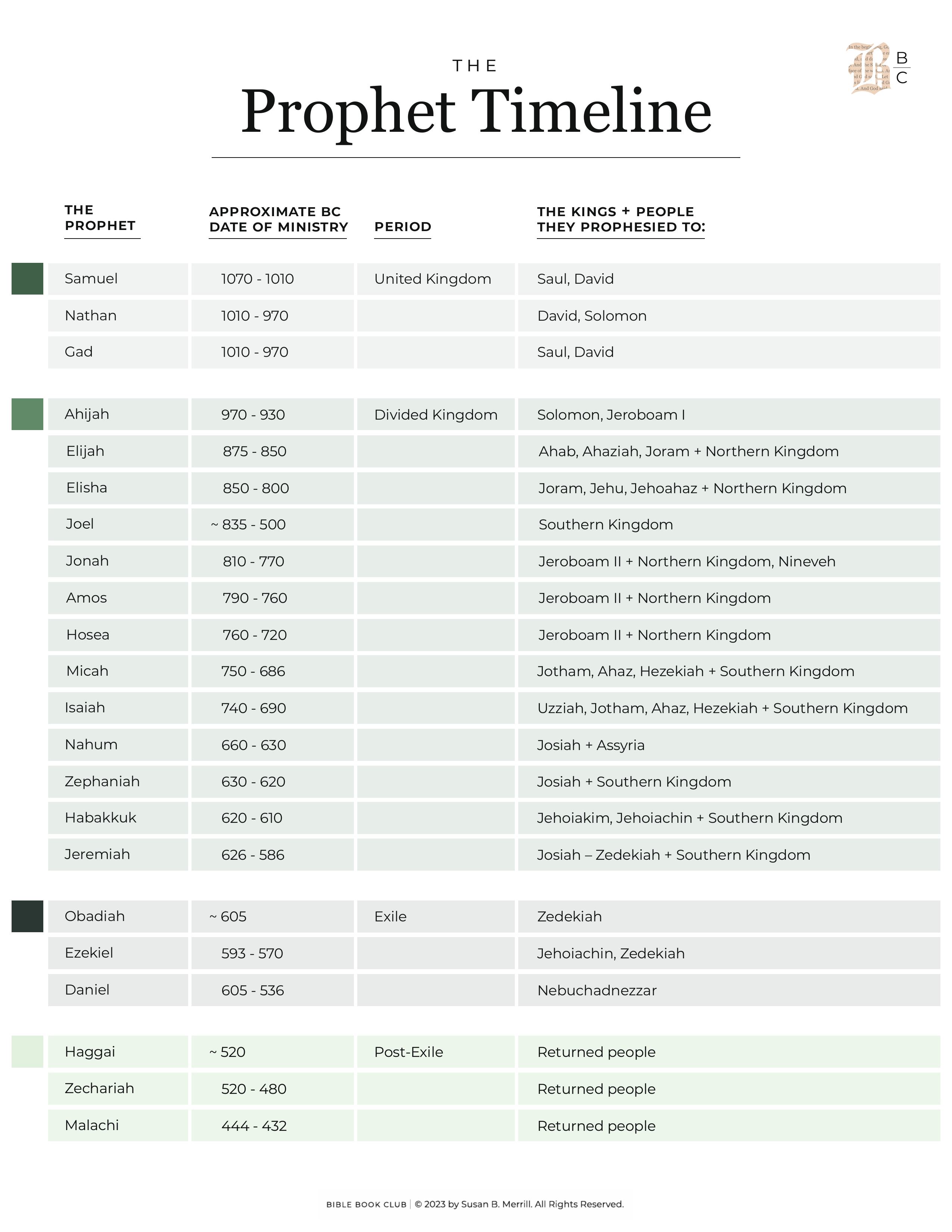
2 Chronicles 7:14 14 if my people, who are called by my name, will humble themselves and pray and seek my face and turn from their wicked ways, then I will hear from heaven, and I will forgive their sin and will heal their land.
This day for repentance is just what God asks for in Chronicles. They have humbled themselves, sought God in his Word, and turned from the sins of their past. Their hope is that God will hear and forgive them. Such a great prayer for us. Such a hope for us. If we, God's people, follow this simple formula, God promises He will hear and forgive us. The national renewal of the covenant is a big deal.
If you have been with the Bible Book Club since the beginning of our journey through the Bible, you will recall five other instances where a national covenant renewal occurred.
What are the six recorded instances of national covenant renewal in the Bible?
National covenant renewal took place in:
- Exodus 19: With Moses at Mount Sinai.
- Deuteronomy 29: With Moses before entering the Promised Land, 40 years after wandering.
- Joshua 8: With Joshua at Shechem, between Mount Ebal and Mount Gerizim.
- Joshua 24: With Joshua at Shechem, after the conquest of Canaan.
- 2 Kings 23: With Josiah, after finding the lost Book of the Law in the Temple.
- Nehemiah 9: The last recorded formal covenant renewal.
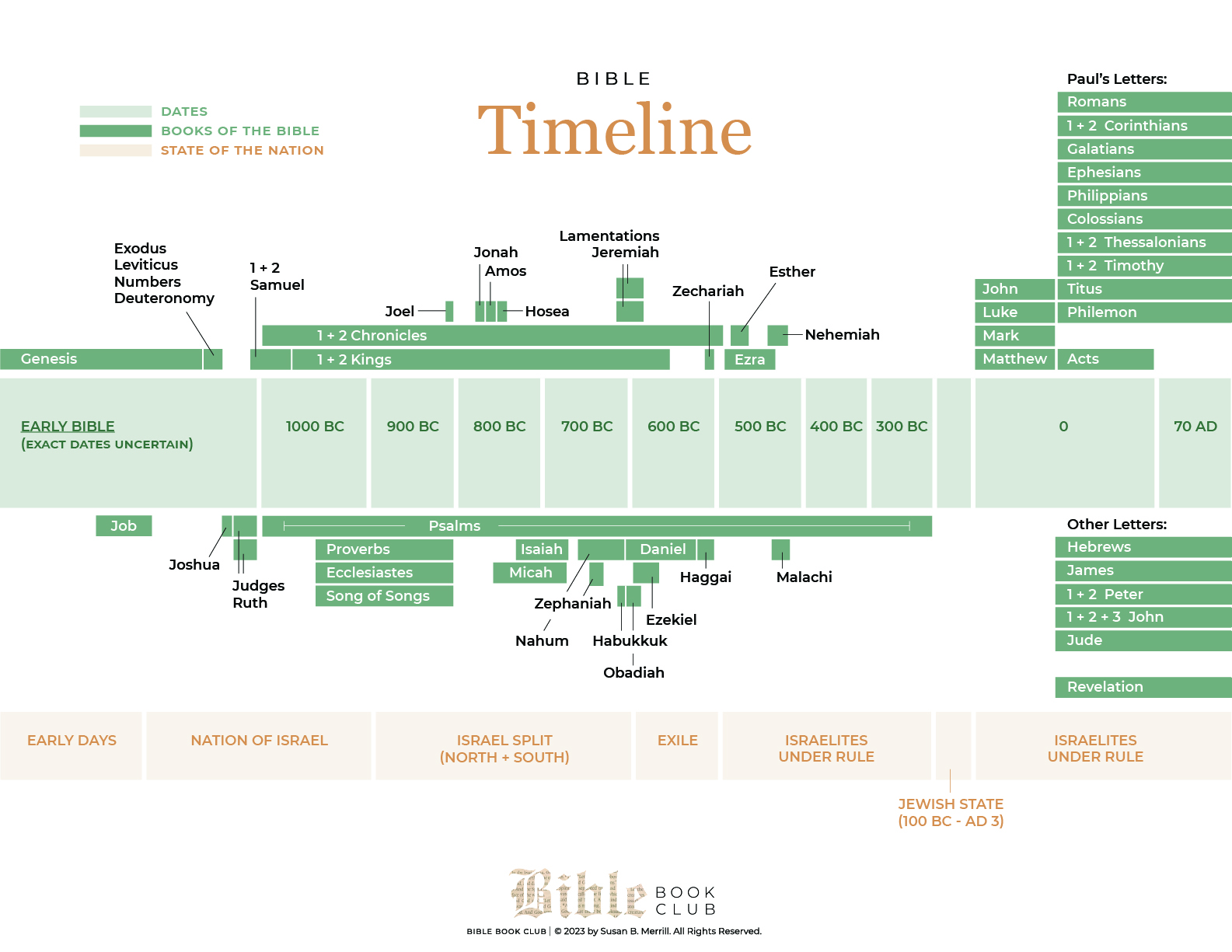
Between Nehemiah in 445 BC and Jesus, there is that 400-year silence. No prophets, priests, kings, or mentions of the covenant are recorded.
How are the Old Testament covenants linked to Jesus?
In the beginning, when Adam and Eve sinned, they shattered that direct relationship with God. God responded by offering a path back through a series of covenants. Each covenant progressively moves the story forward toward Jesus and the New Covenant.
The Noahic Covenant gave the relationship permanence. God promised He would never wipe out humanity again. He was saying, "I'm staying committed to humanity."
The Abrahamic Covenant narrowed the path through which humanity would be reconciled. God was saying, "Redemption from sin and reconciliation with Me is coming through Abraham."
The Mosaic Covenant narrowed the path further by adding the Law necessary to stay on the path for reconciliation. God was saying, "Through this nation, Israel, you will learn how, and how not, to have a relationship with Me."
The Davidic Covenant narrowed the path even further, identifying the one man, the future king, through whom all could be saved. God was saying, "I am going to provide the One to save you from this separation, so that you can have a direct relationship with me now and forever."
The New Covenant. And then came Jesus. He is the fulfillment of all those covenants. He is the person, the king, from the nation, from Abraham's family, the One God promised. And on top of all that, He is the Son of God. And with Him came an entirely New Covenant, written not on stone but on human hearts. The direct relationship with God that was lost with Adam is restored. And one day the Garden will be too, replaced with a city, a new Jerusalem with no walls, I’m guessing. They won’t be needed.
Join us for our Nehemiah 10-11 commentary!
Group Discussion Questions for Nehemiah 9
- The Israelites wore sackcloth to make their outside match their inside. What's one way you personally "sit with" discomfort (guilt, grief, conviction) instead of rushing past it, and do you find that hard or easy to do?
- Paul said he didn't know coveting was wrong until the Law named it. Has there ever been a moment when learning or hearing something new (a sermon, a verse, a friend's honesty) suddenly showed you a "blind spot" in your own faith walk that you hadn't noticed before?
- The Levites walked through Israel's whole history before ever confessing anything, remembering who God is first. When you're struggling or discouraged, is there a memory or "God moment" from your own life that you return to because it helps you remember how faithful God is?