How long did it take Nehemiah to finish the wall?
It took Nehemiah just 52 days to finish the wall and change the course of the nation. From the time Nehemiah’s brother told him about the devastation of his people’s city until the day of the wall’s completion was nine months. In the time it takes to give birth to a child, Nehemiah gives birth to renewed hope for the exiled nation of Israel.
Nehemiah doesn’t stop after the wall. He takes that hope and builds on it, moving from building the wall to building the city. He raises the people's support and the funds to do it, including money to support the priests who have to live in the city's houses. The priests who will build the faith of the people. In that one fundraising effort, Nehemiah begins the move from building structures to building hearts.
Israel needs to renew their covenant with God if they are going to:
- Become the great nation God has promised.
- Reclaim the land God has promised.
- Have a king over their nation and land from the line of David, as God promised.
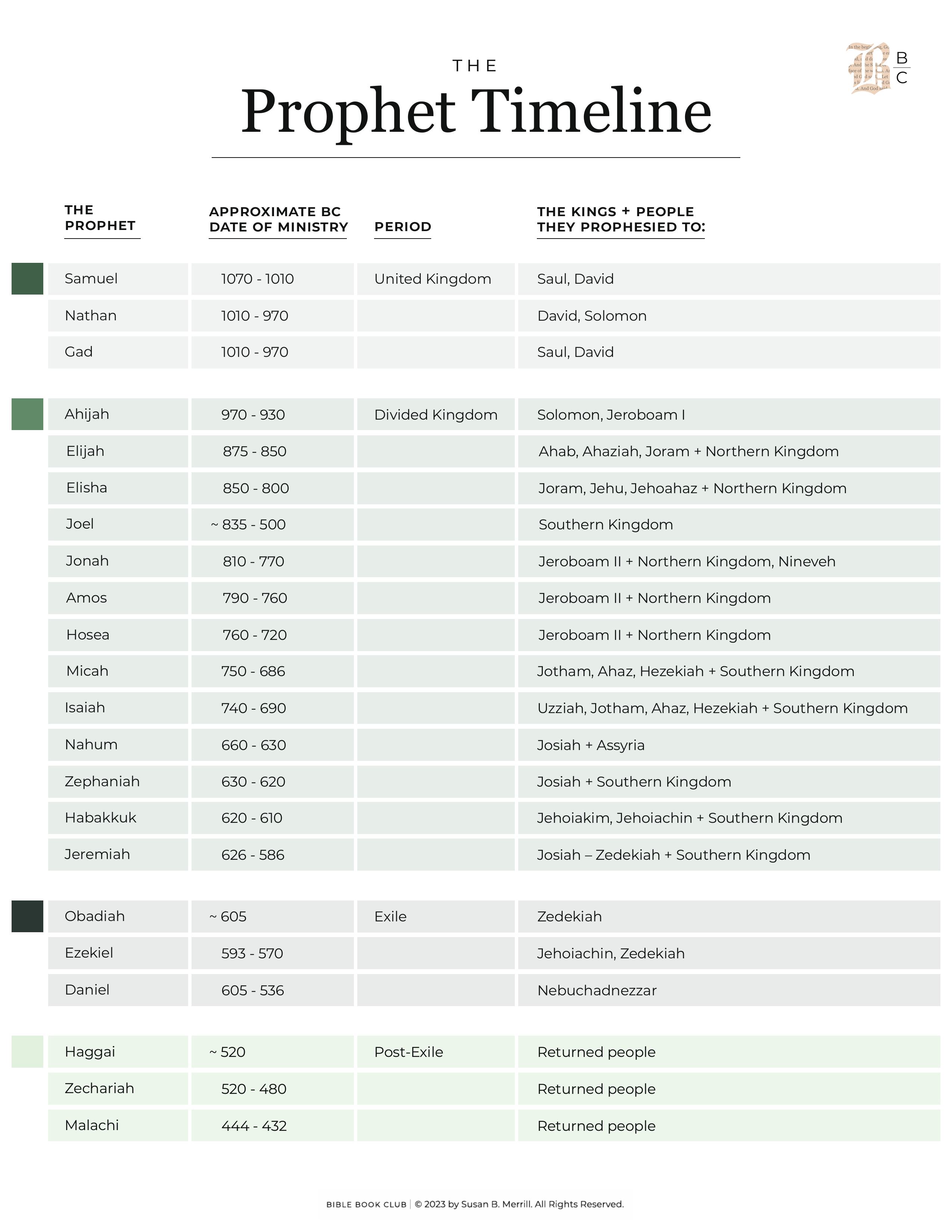
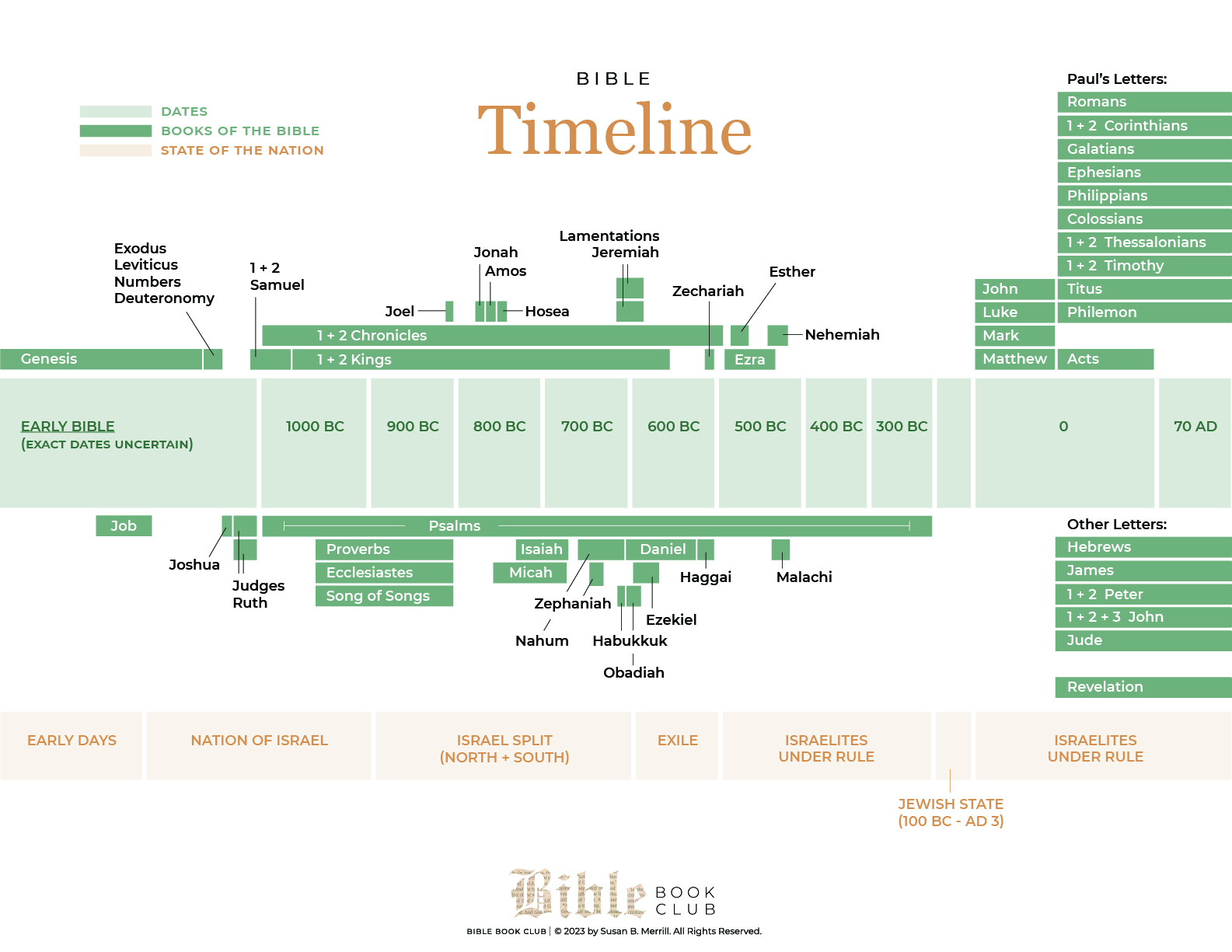
To do this, Nehemiah needs to rebuild their faith, and for that, he calls on his old friend Ezra, the priest. Recall from our Bible study on the Book of Ezra that Ezra led the second wave of exiles to arrive in Jerusalem. Zerubbabel led the first wave and Nehemiah the third. Ezra has been in Jerusalem for about 13 years already. He was sent there to restore commitment to God's laws. It’s exactly what he does in this chapter.
Scene 1: The People Ask to Hear the Word of God
Nehemiah 8:1-3
1 all the people came together as one in the square before the Water Gate. They told Ezra the teacher of the Law to bring out the Book of the Law of Moses, which the Lord had commanded for Israel.
2 So on the first day of the seventh month Ezra the priest brought the Law before the assembly, which was made up of men and women and all who were able to understand. 3 He read it aloud from daybreak till noon as he faced the square before the Water Gate in the presence of the men, women and others who could understand. And all the people listened attentively to the Book of the Law.
The Timing of the People’s Request
The scene sounds almost spontaneous. The people gather and ask for the Book of the Law to be read. Most of them have probably never heard the Book read, and probably none of them have access to the book, even if they could read. The point is that their hearts are stirred, and their minds crave understanding. They want to know how to find favor with God, but they have no individual access to the Word. Can you imagine how limiting that is?
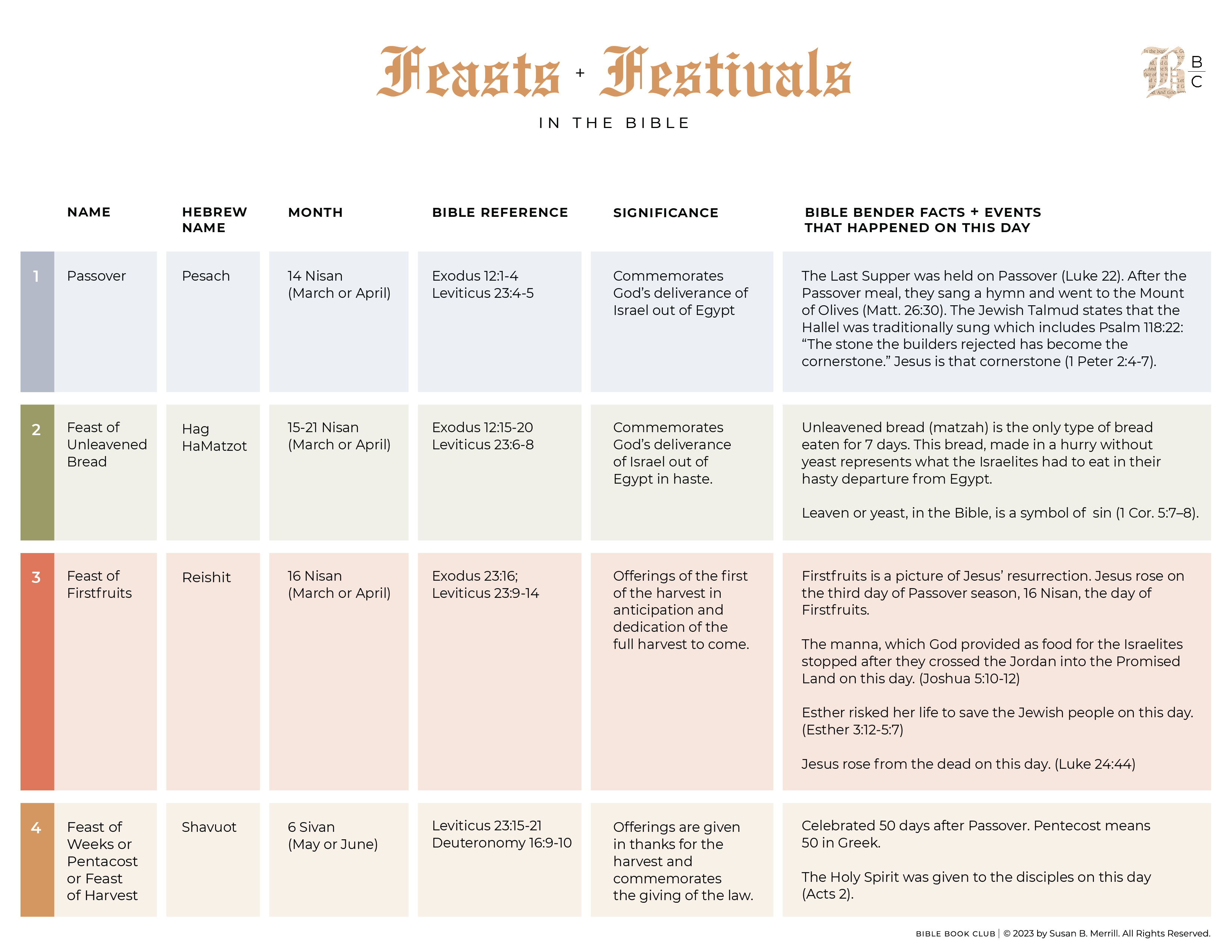
While the request might sound spontaneous, the timing is actually providential. The seventh month, the month of Tishri, is a sacred month. It includes:
- Rosh Hashanah (the Feast of the Trumpets)
- Yom Kippur (the Day of Atonement)
- The Feast of Booths or Tabernacles
The location also has meaning and is prophetically symbolic.
Why do the Israelites gather at the Water Gate?
The location is perfect because it is symbolic and can accommodate a crowd. The Water Gate is on the east side of Jerusalem, just south of the Temple, near the Gihon Spring, the city’s water source. The Word of God symbolizes living water, and Jeremiah, Zechariah, and the apostle John all describe God, Jesus, or the Holy Spirit as Living Water.
The gate opens into a large area between the Temple Courts and the city, so it’s large enough to accommodate the crowd. Try to imagine what this experience looks like.
- An outside venue
- Somewhat rocky
- Plenty of water
- Full sun
- No reserved seats
- No chairs
- No restrooms
- No concession stands.
How long does Ezra read the Book of the Law?
Ezra reads the Book of the Law for an estimated five to six hours. All reading. Just reading. No jumbotron, no music, no entertainment. But they all go, and there is no complaining. They just want to see that Book, which they have never seen before. The one written by Moses.
They want to hear something they may have never heard before: God’s words. All they have to do is listen. But I wonder if they can hear well with people moving around, because I assume people need to get a drink, use the restroom, remove a child, etc. It clearly does not distract them. No one complains. And recall from our reading of the Torah that these are people prone to grumbling. Not this time! They are locked in on God, and so is Ezra. How does he not get hoarse? It must be supernatural adrenaline. Of course, he was born for this. Remember who he is:
Ezra 7:6 6 this Ezra came up from Babylon. He was a teacher well versed in the Law of Moses, which the Lord, the God of Israel, had given. The king had granted him everything he asked, for the hand of the Lord his God was on him.
Ezra 7:10 10 Ezra had devoted himself to the study and observance of the Law of the Lord, and to teaching its decrees and laws in Israel.
I would have liked to see such a focused assembly. I don’t think you could pay someone today to stand that long in such a hot, crowded, uncomfortable space. Unless it was a ride at Disney World. People will pay for that. I digress. At this point in the story, we are on day one of the reading. Ezra starts on Tishri 1, the day known as the Feast of Trumpets.
Scene 2: The People Hear the Word and Worship
Nehemiah 8:4-12
4 Ezra the teacher of the Law stood on a high wooden platform built for the occasion. Beside him on his right stood Mattithiah, Shema, Anaiah, Uriah, Hilkiah and Maaseiah; and on his left were Pedaiah, Mishael, Malkijah, Hashum, Hashbaddanah, Zechariah and Meshullam.
5 Ezra opened the book. All the people could see him because he was standing above them; and as he opened it, the people all stood up. 6 Ezra praised the Lord, the great God; and all the people lifted their hands and responded, “Amen! Amen!” Then they bowed down and worshiped the Lord with their faces to the ground.
7 The Levites—Jeshua, Bani, Sherebiah, Jamin, Akkub, Shabbethai, Hodiah, Maaseiah, Kelita, Azariah, Jozabad, Hanan and Pelaiah—instructed the people in the Law while the people were standing there. 8 They read from the Book of the Law of God, making it clear and giving the meaning so that the people understood what was being read.
9 Then Nehemiah the governor, Ezra the priest and teacher of the Law, and the Levites who were instructing the people said to them all, “This day is holy to the Lord your God. Do not mourn or weep.” For all the people had been weeping as they listened to the words of the Law.
10 Nehemiah said, “Go and enjoy choice food and sweet drinks, and send some to those who have nothing prepared. This day is holy to our Lord. Do not grieve, for the joy of the Lord is your strength.”
11 The Levites calmed all the people, saying, “Be still, for this is a holy day. Do not grieve.”
12 Then all the people went away to eat and drink, to send portions of food and to celebrate with great joy, because they now understood the words that had been made known to them.
Ezra Reads the Book
Can you imagine all of their eyes on Ezra as he climbs the platform they threw together? The crowd hushes. The mothers point and whisper to their children, “Look, look, that's Ezra, and he has the Book.” Then Ezra opens the Book, and everyone stands. He praises God, and everyone bows down and worships.
The reverent response to the Word is worship. This is God's Word. It is what they have craved in their hearts but have never heard. They are so filled that they fall to the ground in thanks that:
- This day has come.
- God has preserved His Word from all the destruction of Assyria and Babylon.
- He has brought them back to His promises and given them another chance to understand His Word.
What role do the Levites play during the reading?
The Levites circulate among the people, explaining the Word as it is read to make sure all understand it. It must have been like having a small group in the middle of church. Little clusters of people huddled up for more detail.
While Ezra is reading from above, the Levites are running around helping explain on the floor, and people are bowing down on the ground. It must have been quite the revival. Then, as the Word begins to penetrate, their hearts fill, tears spill, and the people begin to weep.
Why do the people weep when they hear the Law?
The meaning of the Law dawns on the people, and with it, the understanding that they have not been living in a way that pleases God. They have been living sinfully. The reflective response to the Word of God is Conviction.
The people hear the Word, and when they understand the Word, it dawns on them that they have not obeyed the Word. This saddens them. They feel sorrow for what they have done, and they are convicted, grieved, and repentant.
What is Nehemiah's response to the people's mourning?
Nehemiah is not having it. Yes, they have sinned, but this is a holy day. A great day.
- The people have returned.
- The Temple is restored.
- Their walls are rebuilt.
- God's Word is being read after a very long silence.
It is time to make a joyful noise to the Lord. It is time to celebrate what God has done. He loves them, chooses them, and has brought them back into a relationship with Him. The relational response to the Word is joy. By reading God's Word, they feel His presence and find the path back to a relationship with Him. That brings great joy. All these points are relevant to us and good for us to think about.
Our Response to the Word
As we read the Word, our response should be similar.
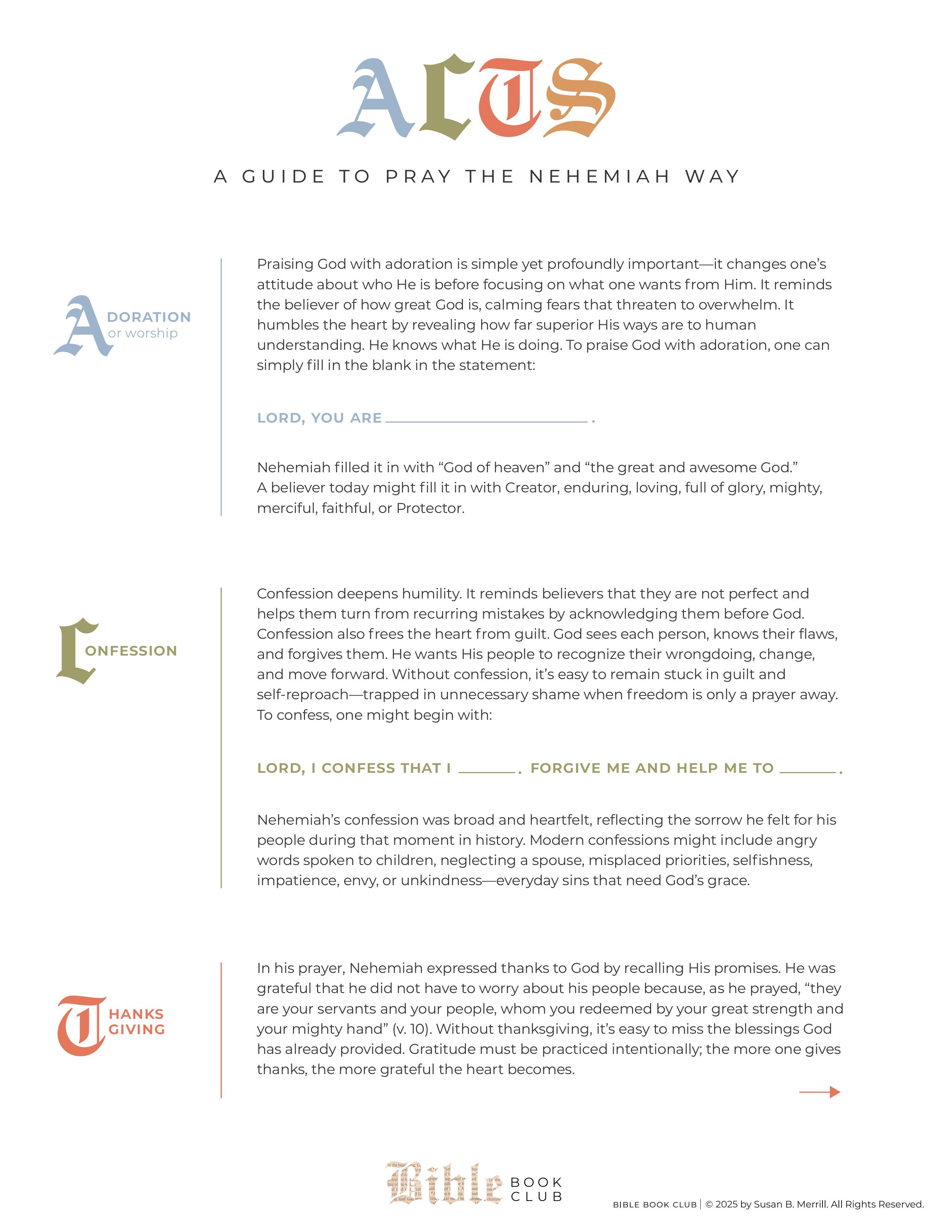
- The reverent response to the Word is Worship. Almost every time I study for a podcast, I read something in the Word that is what I call a Bible Bender, something that only God can do. If I pause to soak it in, the reverence I feel for His Word turns to worship.
- The reflective response to the Word is Conviction. Almost every time I hear a sermon, I am given something to reflect on. Invariably, my response is conviction. The Word causes me to reflect on my path and redirect my feet.
- The relational response to the Word is joy. When I am walking closely with the Lord, immersed in His Word, my response is great joy. If I am not joyful, it is a red flag that I am not where I want to be in my relationship with God.
Scene 3: The People Study the Word and Their Joy Explodes
Nehemiah 8:13-18
13 On the second day of the month, the heads of all the families, along with the priests and the Levites, gathered around Ezra the teacher to give attention to the words of the Law. 14 They found written in the Law, which the Lord had commanded through Moses, that the Israelites were to live in temporary shelters during the festival of the seventh month 15 and that they should proclaim this word and spread it throughout their towns and in Jerusalem: “Go out into the hill country and bring back branches from olive and wild olive trees, and from myrtles, palms and shade trees, to make temporary shelters”—as it is written.
16 So the people went out and brought back branches and built themselves temporary shelters on their own roofs, in their courtyards, in the courts of the house of God and in the square by the Water Gate and the one by the Gate of Ephraim. 17 The whole company that had returned from exile built temporary shelters and lived in them. From the days of Joshua son of Nun until that day, the Israelites had not celebrated it like this. And their joy was very great.
18 Day after day, from the first day to the last, Ezra read from the Book of the Law of God. They celebrated the festival for seven days, and on the eighth day, in accordance with the regulation, there was an assembly.
The Leaders and Priests Dig Further into the Word
The day after Ezra reads the Book of the Law to the entire city, the leaders and priests meet with Ezra to dig further into the Word. In other words, the Israelites start a Bible Book Club. As they read, they make many eye-opening discoveries, including one that’s very timely.
What holiday do the Israelites rediscover in the Law?
According to the Jewish calendar, the Feast of Booths or Tabernacles is supposed to take place in two weeks and last for seven days. They are so excited to have something they can do right now that they jump at the opportunity with joy and share it with the people.
Everyone goes into action, united in their newfound desire to please God. After day two of the revival, the city is on fire for the Lord.
- Reading the Word reveals God's plan.
- Following God's plan fills them with great joy.
There is a reason obedience feels good. It connects us to God, and we feel His pleasure. Sin disrupts our relationship with God. Obedience restores it. The Israelites are experiencing the joy of a relationship, and reading the Word is the most important part of God’s reorientation of His people. See a complete list of all the feasts and festivals in the Bible here.
What is the total duration of the Nehemiah 8 revival?
The entire revival transpires over 22 days. That’s 22 days of reading, worshiping, and celebrating the knowledge of God, His plan, and their history with Him, written out in the Torah. It is setting them free from the bondage to sin that led them into bondage in Babylon, just like when they were set free from Egypt.
And that is exactly what the Feast of Booths celebrates. It is the perfect Feast for them to begin with.
What is the Feast of Booths?
The Feast of Booths is a week-long celebration in Jerusalem that occurs every year to remind the Israelites of their ancestors’ journey through the wilderness for 40 years and how God faithfully provided and protected them. Just as He is protecting and providing for them at this moment.
The people are to build and sleep in temporary shelters, or booths, as they call them. The message to the people is: God is faithful. But if they had never read His Word, they wouldn’t have learned of His faithfulness. God’s faithfulness is a message to all people yesterday, today, and tomorrow, but if we don’t read His Word, we will miss it.
A Note for Us
To follow God and have a relationship with Him, we must know Him. We can’t know God unless we read God’s Word. And a relationship with God involves more than the heart. It must capture our minds. Without the mind to direct Nehemiah, where would he have been? What would he have had to ponder, pray, and plan? Nehemiah knows God, and because of that, God uses him to lead others to the same knowledge. That is why we study, and why we want you to be on the journey with us. It’s why Heather reads every single word for us. There is no plan without God’s Word. Like the Israelites, we must start with the Word.
How does Nehemiah 8 compare to Luke 24?
Nehemiah 8 is not the only story of a life-changing discovery of God's Word; my favorite is a New Testament story in Luke 24. One that adds a third dimension: the Living Word.
Luke 24:13-32 13 Now that same day two of them were going to a village called Emmaus, about seven miles from Jerusalem. 14 They were talking with each other about everything that had happened. 15 As they talked and discussed these things with each other, Jesus himself came up and walked along with them; 16 but they were kept from recognizing him.
17 He asked them, “What are you discussing together as you walk along?”
They stood still, their faces downcast. 18 One of them, named Cleopas, asked him, “Are you the only one visiting Jerusalem who does not know the things that have happened there in these days?”
“About Jesus of Nazareth,” they replied. “He was a prophet, powerful in word and deed before God and all the people. 20 The chief priests and our rulers handed him over to be sentenced to death, and they crucified him; 21 but we had hoped that he was the one who was going to redeem Israel. And what is more, it is the third day since all this took place. 22 In addition, some of our women amazed us. They went to the tomb early this morning 23 but didn’t find his body. They came and told us that they had seen a vision of angels, who said he was alive. 24 Then some of our companions went to the tomb and found it just as the women had said, but they did not see Jesus.”
25 He said to them, “How foolish you are, and how slow to believe all that the prophets have spoken! 26 Did not the Messiah have to suffer these things and then enter his glory?” 27 And beginning with Moses and all the Prophets, he explained to them what was said in all the Scriptures concerning himself.
28 As they approached the village to which they were going, Jesus continued on as if he were going farther. 29 But they urged him strongly, “Stay with us, for it is nearly evening; the day is almost over.” So he went in to stay with them.
30 When he was at the table with them, he took bread, gave thanks, broke it and began to give it to them. 31 Then their eyes were opened and they recognized him, and he disappeared from their sight. 32 They asked each other, “Were not our hearts burning within us while he talked with us on the road and opened the Scriptures to us?”
Like the Israelites in Nehemiah's story, the two men on the road listen to the Word, their eyes are opened, and they want more. More knowledge, more understanding, and more relationship with Jesus, the King who is the hope of the promise that Nehemiah's people look forward to. The king they don’t have but so desperately need. As we do!
And did you catch this: "Beginning with Moses and all the Prophets, Jesus explained to them what was said in all the Scriptures concerning himself." We are on that same learning journey, studying all the Scriptures, including Moses and all the prophets. We must listen, understand, and grow in knowledge. All of this will build our wall of faith.
A Note for Us to Ponder
You are listening to this podcast, so clearly you are hearing the Word and hopefully understanding it and growing in knowledge. Something to ponder as you grow is how you can be more like these exiles. In verse 12 we read:
Nehemiah 8:12 12 all the people went away to eat and drink, to send portions of food and to celebrate with great joy, because they now understood the words that had been made known to them.
How can we have that great joy as we listen and learn? Surely joy is infectious. With such joy, we will all attract the notice of others in this world of opposition. Perhaps even the notice of someone who is not reading God’s Word. Such a scary, lonely, anxious place to be. Because if God speaks through His Word, and you know someone who is not reading, then they are going to miss God or make mistakes, as Jesus warned would happen.
Matthew 22:29 29 Jesus replied, “You are in error because you do not know the Scriptures or the power of God.
How can you be an Ezra or Nehemiah in someone else’s life? How can you guide someone in an awareness of God? Can you open the Word with them? Or just play the podcast for them? Heather reads every word on this podcast, so you don’t even have to read! Nor do you have to lead the discussion. You can use the discussions on the podcast for understanding. Then all you have to do is be like the Levites who went around and met with the people while Ezra read. You can be that person who answers their questions and makes sure they understand. Ponder that, pray about it, and maybe even make a plan.
Group Discussion Questions for Nehemiah 8
- The exiles asked to hear a Word most of them had never heard before. Have you ever taken our easy access to Scripture for granted?
- Out of worship, conviction, and joy, which response do you experience most readily when reading Scripture, and which is most challenging?
- While Ezra read, the Levites circulated to help people understand the text. Who has been an "Ezra" or a "Levite" in your life, and how can you play that role for someone else?