Nehemiah 6-7 Introduction
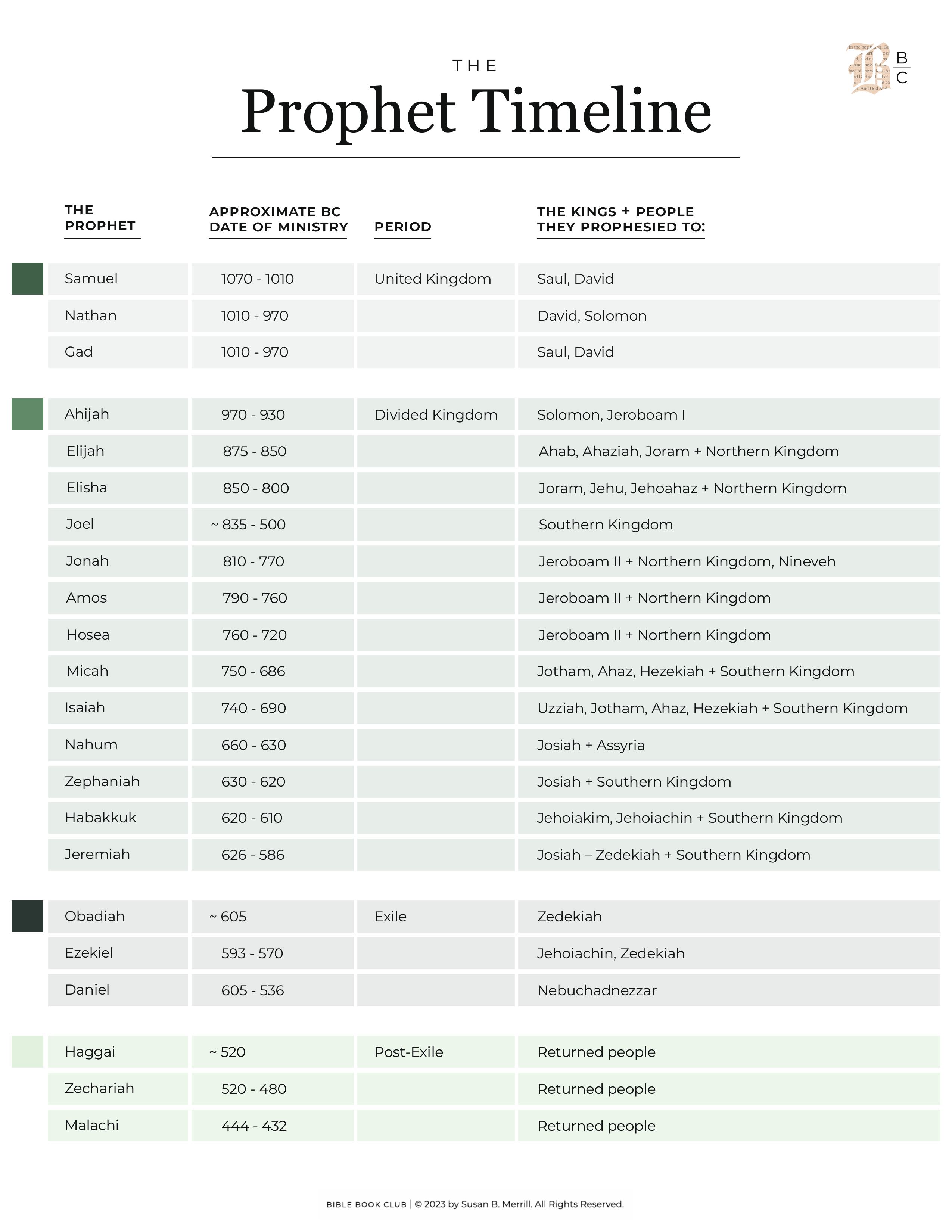
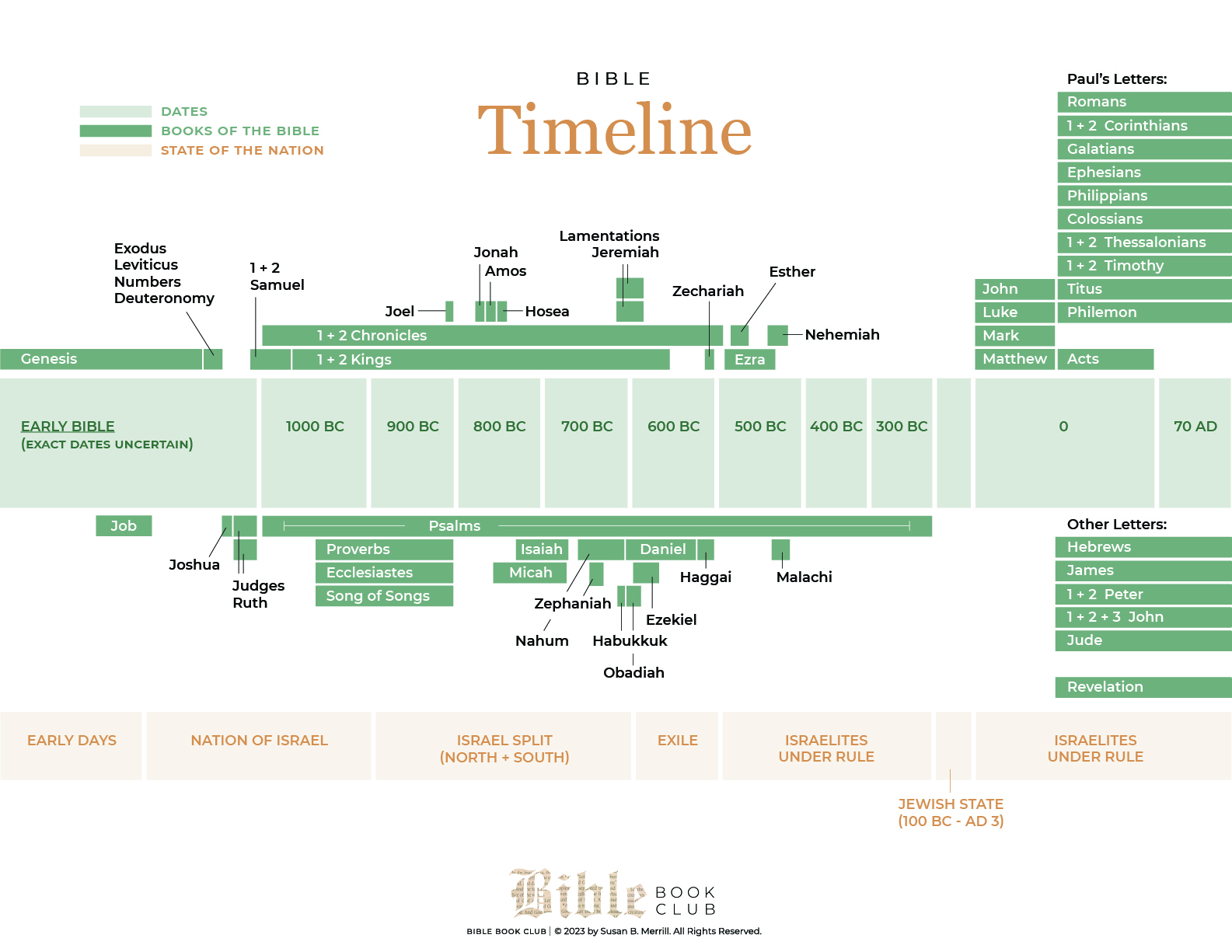
We are halfway through the Book of Nehemiah, which is a good place to do a biblical time period check about where we are in the greater story of God's plan of redemption. We are in the Post-Exilic Period.
What are the four time periods of the Post-Exilic era?
The Post-Exilic period covers from 539 BC to the birth of Jesus. These 500 years are divided into four periods.
- The Persian Period. This is where we are in our story of Nehemiah. This time period began in 539 BC and lasted over 200 years. It is during this period that the last books of the Old Testament were completed. The book of Nehemiah is the last historical book before the 400-year silence between the Old and the New Testaments. Nehemiah covers the time period of about 432-400 BC. The Book of Malachi is the last prophetic book. It was most likely written in 430 BC.
- The Greek Period. This period was under Alexander the Great, beginning in 331 BC and lasting over 150 years. There are no Biblical accounts during this period or the next, hence the 400 years of silence.
- The Maccabean or Hasmonean Period. In 167 BC, the Jewish people revolted against Greece and gained independence. This was the last time Jews would be under self-rule until the modern state of Israel in 1948.
- The Roman Period. This period began in 63 BC. This is the period we are most familiar with because the New Testament overlaps it, covering from about 5 BC to around 95 AD, when the apostle John wrote Revelation.
Now, let's get back to the Persian Period, where we will find Nehemiah and the last historical written record of the Old Testament before that stretch of silence.
Scene 1: The Wall Was Completed in 52 Days
Nehemiah 6:15-16
15 So the wall was completed on the twenty-fifth of Elul, in fifty-two days. 16 When all our enemies heard about this, all the surrounding nations were afraid and lost their self-confidence, because they realized that this work had been done with the help of our God.
How many days did it take Nehemiah to finish the Jerusalem Wall?
It took Nehemiah 52 days to finish the wall. Despite the opposition, God prevailed, and Nehemiah persevered. All 2.5 miles of wall were rebuilt after about 140 years of lying in ruin. This is a testament to God's divine intervention, Nehemiah's strong leadership, and the people's renewed faith.
And with all of that, the tables are turned. Jerusalem is protected. The people, the Temple, and the covenant between God and the people are all a lot safer. Now the opposition is afraid, not because Nehemiah threatened or ridiculed them. No, they are afraid because of what God has done.
Why do Nehemiah's enemies lose their self-confidence after the wall was built?
The nations realize the return of the people has brought about a return of Israel’s God, and there are enough God stories from the past to scare them. Stories of parting seas, slaying angels, and falling walls. Stories we still tell today!
So Nehemiah has finished the wall but not the mission, because the opposition never ends. And it won’t end until Satan is silenced once and for all.
Scene 2: The Opposition Never Ends
Nehemiah 6:17-19
17 Also, in those days the nobles of Judah were sending many letters to Tobiah, and replies from Tobiah kept coming to them. 18 For many in Judah were under oath to him, since he was son-in-law to Shekaniah son of Arah, and his son Jehohanan had married the daughter of Meshullam son of Berekiah. 19 Moreover, they kept reporting to me his good deeds and then telling him what I said. And Tobiah sent letters to intimidate me.
Tobiah’s Family Connections
Apparently, Tobiah is still at it because he knows people. This is about family connections. Connections that never should have happened had the Israelites not intermarried. You see, Tobiah is an Ammonite, but he married the Jewish daughter of a returned exile, Shekaniah. Tobiah's son, Jehohanan, is married to a Jewish woman, the daughter of Meshullam. So Tobiah is a son-in-law in one Jewish noble family and a father-in-law in another Jewish noble family.
How does Tobiah use family connections to oppose Nehemiah?
Tobiah's Jewish family relations are sending letters to Nehemiah, trying to convince him that Tobiah is a good guy. But Nehemiah is not having it. I mean, really, what kind of pressure could letters from a few noble families create when you have letters of your own? Letters of support and protection from Artaxerxes, the King of Persia.
A Lesson in Opposition
The author, Nehemiah, clearly wants us to learn something about opposition. The topic crops up in almost every chapter. Even right here, after such a miraculous effort of perseverance and victory, there is a quick rebound of opposition.
The takeaway is that riding the wave of opposition is like riding a roller coaster that never ends. It has a lot of ups, downs, twists, and turns. Expect it. You may leave your stomach behind. You may get dizzy and have a hard time focusing. But you can't get off. You must learn to ride the roller coaster with your hands in the air, praising God with a smile despite your heart racing with fear. Because your trust is in the Lord, and you are confident you will survive.
The only other option is to ride the roller coaster with your hands braced against the safety bar. No thought of God, thinking only of the danger you are in, fearful you won't survive, sick to death, and worn out from resisting the ride. We must learn to enjoy the thrill of the ride God has given us.
James 1:1-6 1 Consider it pure joy, my brothers and sisters, whenever you face trials of many kinds, 3 because you know that the testing of your faith produces perseverance. 4 Let perseverance finish its work so that you may be mature and complete, not lacking anything. 5 If any of you lacks wisdom, you should ask God, who gives generously to all without finding fault, and it will be given to you. 6 But when you ask, you must believe and not doubt, because the one who doubts is like a wave of the sea, blown and tossed by the wind.
Faith produces perseverance. With perseverance, you will finish the work, like Nehemiah, who:
- Persevered through the opposition.
- Executed the plan.
- Showed patience.
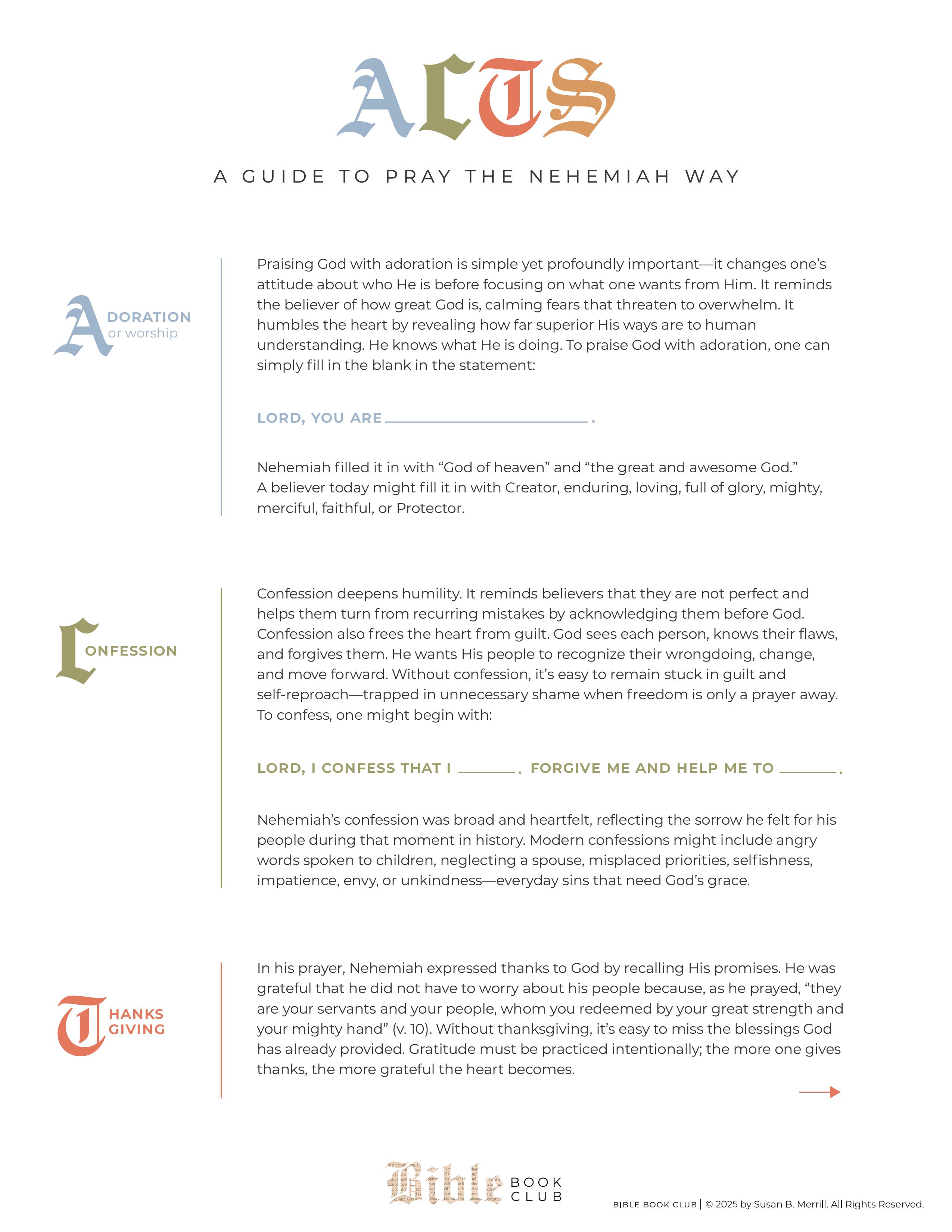
- Prayed at every turn.
- Pondered every action.
- Perceived every situation.
I think God, the greater author of the Bible, wants us to learn to enjoy the thrill of God's call, but he does not want to leave us without an example of how to do it. Nehemiah is our example. Our journey will not look like Nehemiah's, but the goal is the same. In the end, our testimony and Nehemiah's testimony are that:
Nehemiah 6:16 16 “they realized that this work had been done with the help of our God”.
Our goal is the same as Nehemiah's: for the world to know that whatever work we accomplish is done with the help of our God.
What will your testimony be? Nehemiah gave up the perks of the palace for the problems of his people. Is God asking you to give something up for a higher purpose?
As I have been writing this, I have been more than a little put out. My husband is spending the day with my grandson. The weather is amazing, and they keep sending me pictures. I want to be there. And here. I enjoy studying God's word every week, but fear of missing out is real. Sacrifices for the Lord come in all sizes. Nehemiah's was huge. Mine not so much today. But who knows what tomorrow may bring? Remember, one day Nehemiah was comfy in the palace, sipping wine for the king. The next day, he was leading a national construction project and evading enemies on all sides. Whether big or small, do it all for the glory of God like Nehemiah.
Scene 3: Guard the Gate and Your Heart
Nehemiah 7:1-3
1 After the wall had been rebuilt and I had set the doors in place, the gatekeepers, the musicians and the Levites were appointed. 2 I put in charge of Jerusalem my brother Hanani, along with Hananiah the commander of the citadel, because he was a man of integrity and feared God more than most people do. 3 I said to them, “The gates of Jerusalem are not to be opened until the sun is hot. While the gatekeepers are still on duty, have them shut the doors and bar them. Also appoint residents of Jerusalem as guards, some at their posts and some near their own houses.”
Nehemiah is not done.
The wall of protection is up. The gates are in. But gates are a place of entry; therefore, the gates must be guarded. Nehemiah can't trust everyone at this point. Even the Jewish nobles are problematic. But he can trust his brother Hanani, the very one who journeyed all that way to Susa to tell Nehemiah about the wall.
Who does Nehemiah put in charge of guarding the gates?
Nehemiah puts his brother Hanani in charge of guarding the gates and a man of integrity named Hananiah, who fears God more than most. Nehemiah hand-picks the overseers to guard the gates and gives the orders. He never wants the gates to be left unattended. There will be no opportunity for secret opposition.
What are the specific gate security instructions given in Nehemiah Chapter 7?
The gates are not opened until the sun is hot, instead of at dawn. They are shut at night by the gatekeepers and guarded by the residents. The limited hours may be a precaution against attack or a necessity because the city does not have enough guards.
What about your wall?
In the last few chapters of Nehemiah, we have talked about this concept of a wall. The wall will protect the Israelites both physically and spiritually. It will keep them safe from enemy attack. But more than that, it will protect the Temple where God's presence dwells. The Temple is the center of their relationship with the Lord. Their eternal future hangs in the balance on that wall.
We still need that wall today. God doesn't dwell in a temple made of stone anymore. He dwells in us, which means the wall we need to build today isn't made of bricks. It's made of faith. Every heart needs a wall of protection. We build that wall by building our faith. And if faith is the bricks in the wall, then the Word of God is what holds the bricks together.
What about your gates?
Gates are openings or opportunities in our hearts. They are places where influences, ideas, and temptations can enter and shape our desires, direction, and beliefs. If we do not guard these entry points, we can be vulnerable to spiritual attack.
Matthew 6:22-23 22 “The eye is the lamp of the body. If your eyes are healthy, your whole body will be full of light. 23 But if your eyes are unhealthy, your whole body will be full of darkness. If then the light within you is darkness, how great is that darkness!
The eyes are a gate that must be guarded.
Mark 4:24 24 Then Jesus said to them, 'Consider carefully what you hear,' he continued. 'With the measure you use, it will be measured to you—and even more.
The ears are a gate that must be guarded.
Proverbs 4:23 23 Above all else, guard your heart, for everything you do flows from it.
The eyes and ears are the entrance points that allow things to enter and take root in the heart.
Questions for Us to Ponder
- Who can you appoint to help you guard the gates to your heart?
- Which gates to your heart are weak points of entry?
- Conversely, who and how can you be a gatekeeper for someone else?
Back to Our Story
With the wall complete and the gates secure, Nehemiah moves on to the next build on God's to-do list. He needs to rebuild Jerusalem's population. The city is big but empty. The city needs people for security, and the people need houses to live in, but the houses have not been rebuilt. Where to start? Israel loves a good headcount of who's who. So Nehemiah calls all the returned exiles into Jerusalem for a count and to contribute to the city's rebuilding.
Scene 4: The List of the Community of Exiles
Nehemiah 7:4-69
⁴ Now the city was large and spacious, but there were few people in it, and the houses had not yet been rebuilt. ⁵ So my God put it into my heart to assemble the nobles, the officials and the common people for registration by families. I found the genealogical record of those who had been the first to return.
⁶ These are the people of the province who came up from the captivity of the exiles whom Nebuchadnezzar king of Babylon had taken captive (they returned to Jerusalem and Judah, each to his own town, ⁷ in company with Zerubbabel, Joshua, Nehemiah, Azariah, Raamiah, Nahamani, Mordecai, Bilshan, Mispereth, Bigvai, Nehum and Baanah):
¹¹ of Pahath-Moab (through the line of Jeshua and Joab) — 2,818
²⁶ the men of Bethlehem and Netophah — 188
²⁹ of Kiriath Jearim, Kephirah and Beeroth — 743
³⁹ The priests: the descendants of Jedaiah (through the family of Jeshua) — 973
⁴³ The Levites: the descendants of Jeshua (through Kadmiel through the line of Hodaviah) — 74
⁴⁴ The musicians: the descendants of Asaph — 148
⁴⁵ The gatekeepers: the descendants of Shallum, Ater, Talmon, Akkub, Hatita and Shobai — 138
⁴⁶ The temple servants: the descendants of Ziha, Hasupha, Tabbaoth,
⁵⁷ The descendants of the servants of Solomon: the descendants of Sotai, Sophereth, Perida,
⁵⁹ Shephatiah, Hattil, Pokereth-Hazzebaim and Amon
⁶⁰ The temple servants and the descendants of the servants of Solomon — 392
⁶¹ The following came up from the towns of Tel Melah, Tel Harsha, Kerub, Addon and Immer, but they could not show that their families were descended from Israel:
⁶² the descendants of Delaiah, Tobiah and Nekoda — 642
⁶³ And from among the priests: the descendants of Hobaiah, Hakkoz and Barzillai (a man who had married a daughter of Barzillai the Gileadite and was called by that name).
⁶⁴ These searched for their family records, but they could not find them and so were excluded from the priesthood as unclean. ⁶⁵ The governor, therefore, ordered them not to eat any of the most sacred food until there should be a priest ministering with the Urim and Thummim.
⁶⁶ The whole company numbered 42,360, ⁶⁷ besides their 7,337 male and female slaves; and they also had 245 male and female singers. ⁶⁸ There were 736 horses, 245 mules, ⁶⁹ 435 camels and 6,720 donkeys.
Which six categories of people are listed in the genealogical record?
The genealogical record has six categories of people.
- Leaders
- Regular citizens
- Priests, the descendants of Aaron
- Levites, including the singers, gatekeepers, and Temple servants
- Descendants of Solomon's servants, who may not have been Israelites but are grafted into the people of God
- A mystery group whose ancestry is undetermined. The list includes regular citizens and priests
Why are certain priests excluded from the priesthood in Nehemiah 7?
The priests of undetermined ancestry are excluded from acting as priests until they can verify them using the Urim and Thummim. From the passage, it sounds like the Urim and Thummim are lost, and until they are found, or God provides another way to discern his will, they cannot include these men in the priesthood.
The Urim and Thummim are still a great mystery to us today. What we do know is that they were placed on the breastpiece of the High Priest and used to discern God's will, maybe like casting lots.
Where did the list of exiles in Nehemiah 7 originate?
If the names and number of exiles in Nehemiah 7 sound familiar, it’s because the list is duplicated by Nehemiah from Ezra's list in the book of Ezra, Chapter 2. The lists are identical except for a few discrepancies, which are most likely corrections or updates.
Genealogies are important to Israel because they validate who is:
- Part of the covenant of the Promised Land.
- Eligible for the priesthood.
- Carrying the royal line of David and the promised Messiah.
With everyone gathered and accounted for, Nehemiah sets the example and compels them to give.
Scene 5: The Community Contributes
Nehemiah 7:70-73
70 Some of the heads of the families contributed to the work. The governor gave to the treasury 1,000 darics of gold, 50 bowls and 530 garments for priests. 71 Some of the heads of the families gave to the treasury for the work 20,000 darics of gold and 2,200 minas of silver. 72 The total given by the rest of the people was 20,000 darics of gold, 2,000 minas of silver and 67 garments for priests.
73 The priests, the Levites, the gatekeepers, the musicians and the temple servants, along with certain of the people and the rest of the Israelites, settled in their own towns.
When the seventh month came and the Israelites had settled in their towns,
The people gather, the people give, and the people return. But before they do, Nehemiah will do another little rebuild of the heart with the help of his old friend Ezra in our next chapter!
Group Discussion Questions for Nehemiah 6-7
- Our eyes and ears are the gateways that allow things to enter and take root in our hearts. Places where influences, ideas, and temptations can enter and shape our desires, direction, and beliefs. If we don’t guard these entry points, we can be vulnerable to spiritual attack. What threatens the gates of your heart, and how might you take one action this week to better guard your gates?
- Nehemiah secures the gates with people he trusts. Who can you appoint to help you guard the gates to your heart? And how can you be a gatekeeper for someone else?
- Nehemiah gave up the perks of the palace for the problems of his people. What will your testimony be? Is God asking you to give something up for a higher purpose?