2 Chronicles 35-36 Introduction
These are our final chapters in the Book of 2 Chronicles. We will begin where we left off with Josiah doing everything he learned from the Book of the Law to set right the Israelites’ relationship with God.
Scene 1: King Josiah Celebrates the Passover
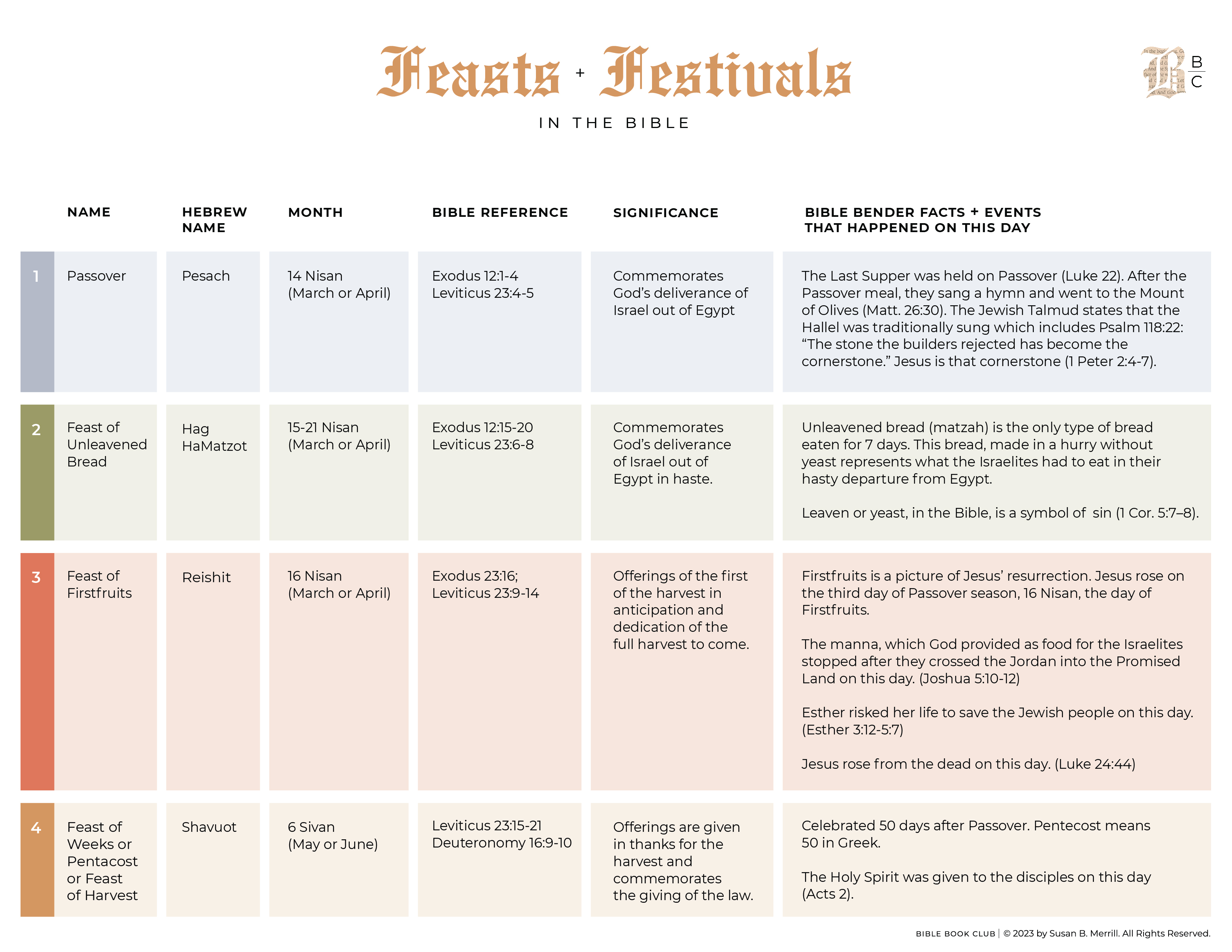
2 Chronicles 35:1-19
1 Josiah celebrated the Passover to the Lord in Jerusalem, and the Passover lamb was slaughtered on the fourteenth day of the first month. 2 He appointed the priests to their duties and encouraged them in the service of the Lord’s temple. 3 He said to the Levites, who instructed all Israel and who had been consecrated to the Lord: “Put the sacred ark in the temple that Solomon son of David king of Israel built. It is not to be carried about on your shoulders. Now serve the Lord your God and his people Israel. 4 Prepare yourselves by families in your divisions, according to the instructions written by David king of Israel and by his son Solomon.
5 “Stand in the holy place with a group of Levites for each subdivision of the families of your fellow Israelites, the lay people. 6 Slaughter the Passover lambs, consecrate yourselves and prepare the lambs for your fellow Israelites, doing what the Lord commanded through Moses.”
7 Josiah provided for all the lay people who were there a total of thirty thousand lambs and goats for the Passover offerings, and also three thousand cattle—all from the king’s own possessions.
8 His officials also contributed voluntarily to the people and the priests and Levites. Hilkiah, Zechariah and Jehiel, the officials in charge of God’s temple, gave the priests twenty-six hundred Passover offerings and three hundred cattle. 9 Also Konaniah along with Shemaiah and Nethanel, his brothers, and Hashabiah, Jeiel and Jozabad, the leaders of the Levites, provided five thousand Passover offerings and five hundred head of cattle for the Levites.
10 The service was arranged and the priests stood in their places with the Levites in their divisions as the king had ordered. 11 The Passover lambs were slaughtered, and the priests splashed against the altar the blood handed to them, while the Levites skinned the animals. 12 They set aside the burnt offerings to give them to the subdivisions of the families of the people to offer to the Lord, as it is written in the Book of Moses. They did the same with the cattle. 13 They roasted the Passover animals over the fire as prescribed, and boiled the holy offerings in pots, caldrons and pans and served them quickly to all the people. 14 After this, they made preparations for themselves and for the priests, because the priests, the descendants of Aaron, were sacrificing the burnt offerings and the fat portions until nightfall. So the Levites made preparations for themselves and for the Aaronic priests.
15 The musicians, the descendants of Asaph, were in the places prescribed by David, Asaph, Heman and Jeduthun the king’s seer. The gatekeepers at each gate did not need to leave their posts, because their fellow Levites made the preparations for them.
16 So at that time the entire service of the Lord was carried out for the celebration of the Passover and the offering of burnt offerings on the altar of the Lord, as King Josiah had ordered. 17 The Israelites who were present celebrated the Passover at that time and observed the Festival of Unleavened Bread for seven days. 18 The Passover had not been observed like this in Israel since the days of the prophet Samuel; and none of the kings of Israel had ever celebrated such a Passover as did Josiah, with the priests, the Levites and all Judah and Israel who were there with the people of Jerusalem. 19 This Passover was celebrated in the eighteenth year of Josiah’s reign.
How does King Josiah celebrate the Passover in 2 Chronicles 35?
Josiah provides for all the people who can’t provide sacrifices for themselves. The precedent of the king's provision of sacrifices was set by David in 1 Chronicles 29:2 and later by Hezekiah in 2 Chronicles 30:24. The generosity of the king in the diminished kingdom is extraordinary.
Why is Josiah's Passover considered the greatest since the time of Samuel?
This Passover is of such a scale that it exceeds every Passover since the time of Samuel, over 400 years before. How long has it been since any Passover was celebrated? The only two kings known to celebrate Passover are Hezekiah and Josiah. We can assume David and Solomon celebrated the Passover, but there is no mention of it.
This is exactly why Moses dictated that every king had to read the Book of the Law. To ensure they would remember the Passover, the celebration of their redemption, the reason they are even in a land of their own and not slaves in Egypt.
The retelling of the Passover story is an important reminder for the returned exiles. The post-exilic people have just returned from the Babylonian captivity in what is called a "second exodus." The first exodus was the escape from slavery in Egypt. The second exodus was the release from slavery in Babylon. The Passover, more than any other religious festival, draws the nation back to its roots. For it is because they are passed over on the night of the death of the firstborn in Egypt that they are given freedom and become a nation at Mount Sinai.
So, full circle back to our Chronicler writing to the exiles. He tells the story of the greatness of Josiah's Passover to inspire them to do the same. Josiah repairs the Temple and holds an enormous Passover celebration. The returned exiles have rebuilt the Temple and need to celebrate the Passover every year going forward, as dictated by Moses in the Book of the Law and followed by the last good king Josiah. So they will remember and never forget the first and second exodus.
Scene 2: Josiah's Death at the Hands of Egypt
2 Chronicles 35:20-27
20 After all this, when Josiah had set the temple in order, Necho king of Egypt went up to fight at Carchemish on the Euphrates, and Josiah marched out to meet him in battle. 21 But Necho sent messengers to him, saying, “What quarrel is there, king of Judah, between you and me? It is not you I am attacking at this time, but the house with which I am at war. God has told me to hurry; so stop opposing God, who is with me, or he will destroy you.”
22 Josiah, however, would not turn away from him, but disguised himself to engage him in battle. He would not listen to what Necho had said at God’s command but went to fight him on the plain of Megiddo.
23 Archers shot King Josiah, and he told his officers, “Take me away; I am badly wounded.” 24 So they took him out of his chariot, put him in his other chariot and brought him to Jerusalem, where he died. He was buried in the tombs of his ancestors, and all Judah and Jerusalem mourned for him.
25 Jeremiah composed laments for Josiah, and to this day all the male and female singers commemorate Josiah in the laments. These became a tradition in Israel and are written in the Laments.
26 The other events of Josiah’s reign and his acts of devotion in accordance with what is written in the Law of the Lord— 27 all the events, from beginning to end, are written in the book of the kings of Israel and Judah.
Necho Marches into Judah
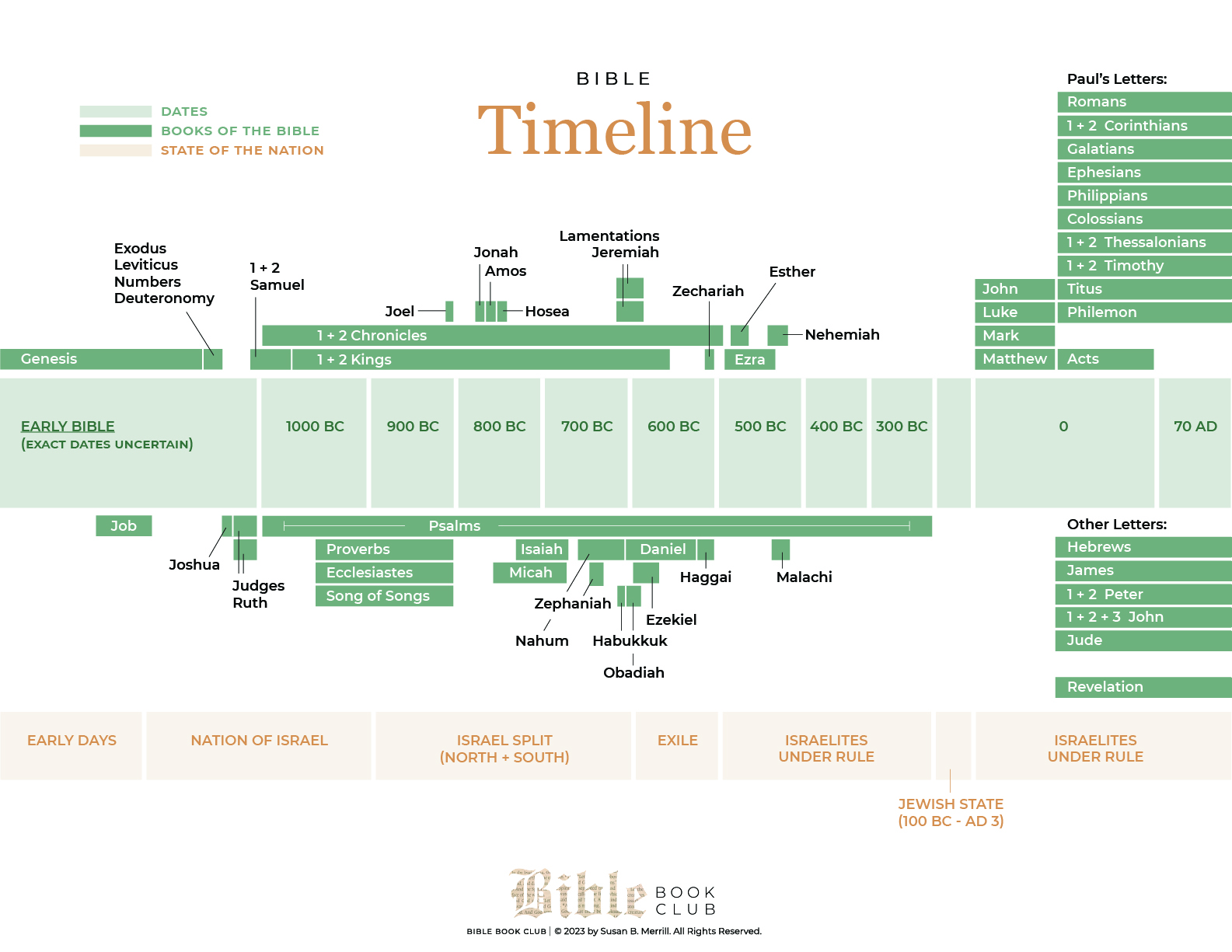
This scene requires a small review of world history. Israel, the Northern Kingdom, is currently under the control of Assyria, but Assyria's power is weakening. The new superpower is the Babylonian Empire, and they are attacking Assyria. In this scene, Necho, Pharaoh of Egypt, is trying to pass through Judah with a large army to support the Assyrian army against Babylon.
Josiah marches out to meet Necho, king of Egypt. Necho tells Josiah he is not there to fight with Judah, and God will destroy Josiah if he opposes Necho. Now, to Josiah's credit, how is he to know Necho of Egypt has heard from the God of Israel? Seems a little far-fetched to me. Based on Israel's history with Egypt, Josiah has good reason to distrust Necho. Whatever the case, Josiah definitely misses something. We can almost sense that Josiah is unsure about going into this battle because he goes in disguise, as Ahab did. Again, the disguise does not work.
How does King Josiah die in battle against Pharaoh Necho?
Like Ahab, King Josiah is pierced by an arrow and dies in his chariot. God's will is, well, His will. It will stand. We cannot alter it. Pharaoh Necho of Egypt's attack is the second of three devastating foreign attacks on Judah.
What are the three foreign attacks that lead to Judah's downfall?
The three foreign attacks that lead to Judah’s downfall are:
- Assyria under King Sennacherib.
- Egypt led by Pharaoh Necho.
- Babylon, led by Nebuchadnezzar, is the final foreign attack. Babylon invades Judah three times before the nation is no more.
The prophetess Hulda stated Josiah would be buried in peace, and he is. The country is not at war. Necho moves on. Josiah is honored with a burial and a lament written by the great prophet Jeremiah, but how sad that Judah does not have years more of this good king's reign. Josiah was tenaciously zealous to lead the country in obedience. He purged the Temple of idols and destroyed all the high places so the people would not be tempted to sacrifice there.
Josiah was ruthless in his determination to set the nation on the right path. To his credit, nowhere does it say he didn’t remove something that he should have, like so many of the lukewarm kings. Josiah reminds me of Joshua because of his focus and relentless attention to detail. However, Josiah, like David, was not perfect, and his life could have ended differently had he listened.
Scene 3: The Brother Kings, Jehoahaz and Jehoiakim
2 Chronicles 36:1-4
1 And the people of the land took Jehoahaz son of Josiah and made him king in Jerusalem in place of his father.
2 Jehoahaz was twenty-three years old when he became king, and he reigned in Jerusalem three months. 3 The king of Egypt dethroned him in Jerusalem and imposed on Judah a levy of a hundred talents of silver and a talent of gold. 4 The king of Egypt made Eliakim, a brother of Jehoahaz, king over Judah and Jerusalem and changed Eliakim’s name to Jehoiakim. But Necho took Eliakim’s brother Jehoahaz and carried him off to Egypt.
Jehoahaz and Jehoiakim are brothers, with different mothers. Jehoahaz is 23 when his father dies, and Jehoiakim is about 25. Jehoiakim is actually older, but the people choose Jehoahaz to be king. Both are plenty old enough to have learned of God from Josiah. Despite having a father who modeled faith, they do evil in the eyes of the Lord.
Jehoahaz is carried off in chains to Egypt after just three months of being king and dies there. Jehoiakim becomes a puppet king, taxing the people to pay Pharaoh.
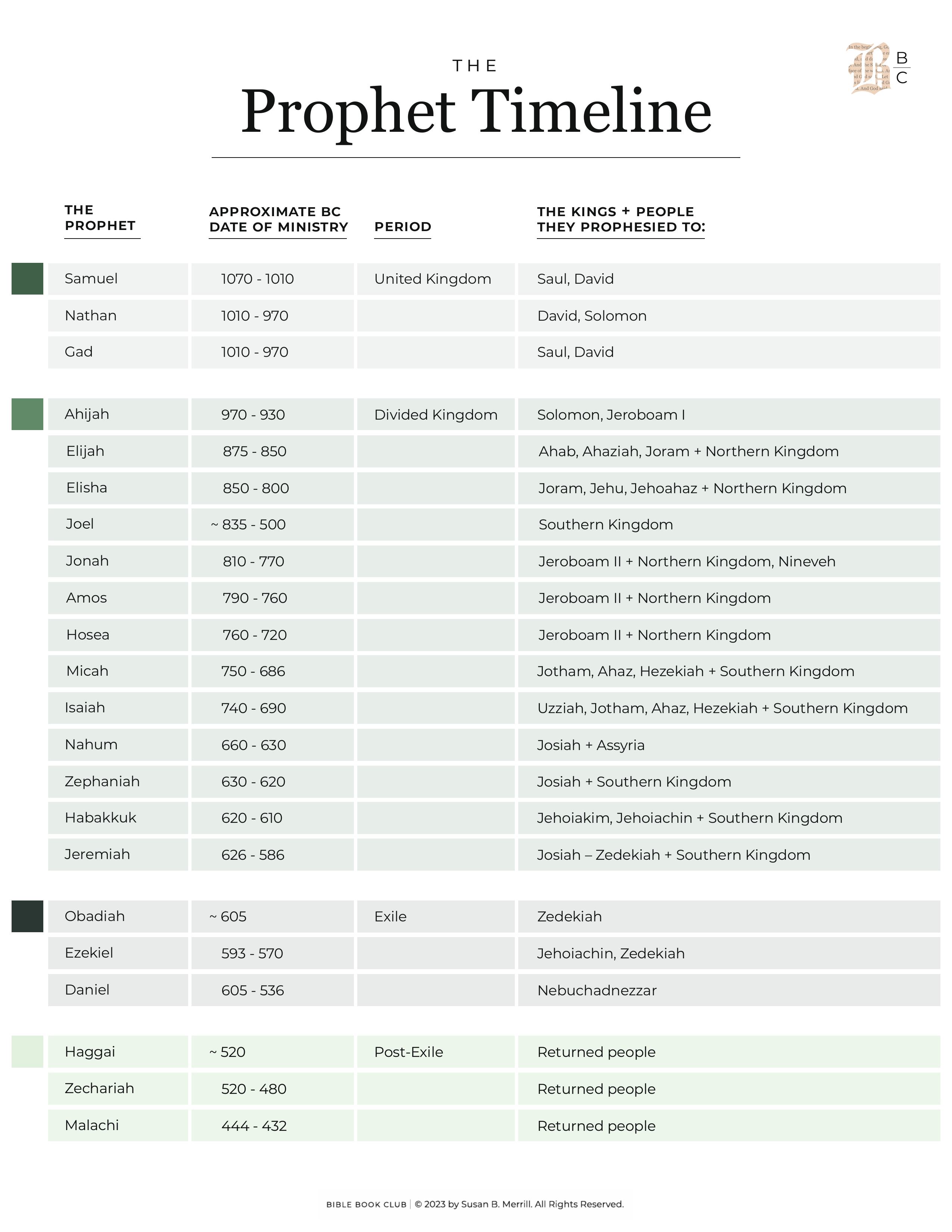
In the next three scenes, there will be three Babylonian invasions of Judah. In the first invasion, Jehoiakim is king. He is a vassal to Egypt and Pharaoh Necho.
Scene 4: The 1st Babylonian Invasion Against King Jehoiakim
2 Chronicles 36:5-8
5 Jehoiakim was twenty-five years old when he became king, and he reigned in Jerusalem eleven years. He did evil in the eyes of the Lord his God. 6 Nebuchadnezzar king of Babylon attacked him and bound him with bronze shackles to take him to Babylon. 7 Nebuchadnezzar also took to Babylon articles from the temple of the Lord and put them in his temple there.
8 The other events of Jehoiakim’s reign, the detestable things he did and all that was found against him, are written in the book of the kings of Israel and Judah. And Jehoiachin his son succeeded him as king.
What happens during the first Babylonian invasion under King Jehoiakim?
This Babylonian victory is the beginning of Judah's march to captivity. In the Book of Daniel, Chapter 1, we learn it is during this invasion that:
Daniel 1:3-7 3 Then, king Nebuchadnezzar ordered Ashpenaz, chief of his court officials, to bring into the king’s service some of the Israelites from the royal family and the nobility— 4 young men without any physical defect, handsome, showing aptitude for every kind of learning, well informed, quick to understand, and qualified to serve in the king’s palace. He was to teach them the language and literature of the Babylonians. 5 The king assigned them a daily amount of food and wine from the king’s table. They were to be trained for three years, and after that they were to enter the king’s service.
6 Among those who were chosen were some from Judah: Daniel, Hananiah, Mishael and Azariah. 7 The chief official gave them new names: to Daniel, the name Belteshazzar; to Hananiah, Shadrach; to Mishael, Meshach; and to Azariah, Abednego.
The best of the royal family and noblemen are taken with them, including Daniel and the Godacious Shadrach, Meshach, and Abednego. We don't know for sure how Jehoiakim dies. Jeremiah is alive at the time and implies that it is not glorious.
Jeremiah 22:18 18 Therefore this is what the Lord says about Jehoiakim son of Josiah king of Judah: “They will not mourn for him: ‘Alas, my brother! Alas, my sister!’ They will not mourn for him: ‘Alas, my master! Alas, his splendor!’ He will have the burial of a donkey—dragged away and thrown outside the gates of Jerusalem.”
Jehoiakim dies somewhere outside of Jerusalem, either on the way to or already in captivity.
Which kings of Judah are taken captive to Egypt and Babylon?
Two kings, Jehoahaz and Jehoiakim, have already been carried into captivity. One brother to Egypt, the country God redeemed Israel from, and the other brother to Babylon, the country God condemned them to. The house of Judah, the line of David, is dwindling.
What is God's message to Judah here? Perhaps:
- Judah, how could you forget how I saved you from slavery in Egypt? Remember your past in Egypt as you watch your king go to Egypt in chains.
- Judah, how could you forget the freedom of the Promised Land, if you had only loved me? Picture your future in Babylon as you watch your king go to Babylon in chains.
Surely God is visibly trying to wake the people up. How can they not see where they are headed? I think we all experience lapses in faith where we are blind to our own sin. And God calls to us: Wake up, wake up! What are you doing? Look at where you are headed!
Scene 5: The Second Babylonian Invasion Against King Jehoiachin
2 Chronicles 36:9-10
9 Jehoiachin was eighteen years old when he became king, and he reigned in Jerusalem three months and ten days. He did evil in the eyes of the Lord. 10 In the spring, King Nebuchadnezzar sent for him and brought him to Babylon, together with articles of value from the temple of the Lord, and he made Jehoiachin’s uncle, Zedekiah, king over Judah and Jerusalem.
In 2 Kings 23 and 2 Kings 24-25, there is more detail of what transpires in these invasions. In this second invasion, Jerusalem is totally ravaged. Nebuchadnezzar removes, carries away, exiles, takes, and deports:
- King Jehoiachin and his family.
- Treasures from the Temple and palace.
- 10,000 people, including all the officers and military men and all the skilled workers and artisans.
Nothing is left except the poorest of people. Nebuchadnezzar leaves Jehoiachin's uncle in charge as king and changes his name to Zedekiah. Our Chronicler is less detailed because his only concern is the continuation of the line of David.
How is the Davidic line preserved during the Babylonian exile?
God provides for the protection of the Davidic line through Jehoiachin, who is taken prisoner after this invasion. Jehoiachin is not the last king, but he is the only king to survive in captivity. This means that the Davidic line will continue through him, and not through the king named Zedekiah who is appointed.
If you fast-forward to Matthew 1, Matthew lists the genealogy of Christ and the Davidic line before the exile ends, with Jehoiachin, also called Jeconiah. Then Matthew picks up the genealogy after the exile to Babylon with Jehoiachin's son, Shealtiel.
Scene 6: The 3rd Babylonian Invasion Against King Zedekiah
2 Chronicles 36:11-19
11 Zedekiah was twenty-one years old when he became king, and he reigned in Jerusalem eleven years. 12 He did evil in the eyes of the Lord his God and did not humble himself before Jeremiah the prophet, who spoke the word of the Lord. 13 He also rebelled against King Nebuchadnezzar, who had made him take an oath in God’s name. He became stiff-necked and hardened his heart and would not turn to the Lord, the God of Israel. 14 Furthermore, all the leaders of the priests and the people became more and more unfaithful, following all the detestable practices of the nations and defiling the temple of the Lord, which he had consecrated in Jerusalem.
15 The Lord, the God of their ancestors, sent word to them through his messengers again and again, because he had pity on his people and on his dwelling place. 16 But they mocked God’s messengers, despised his words and scoffed at his prophets until the wrath of the Lord was aroused against his people and there was no remedy. 17 He brought up against them the king of the Babylonians, who killed their young men with the sword in the sanctuary, and did not spare young men or young women, the elderly or the infirm. God gave them all into the hands of Nebuchadnezzar. 18 He carried to Babylon all the articles from the temple of God, both large and small, and the treasures of the Lord’s temple and the treasures of the king and his officials. 19 They set fire to God’s temple and broke down the wall of Jerusalem; they burned all the palaces and destroyed everything of value there.
Zedekiah rebels against Nebuchadnezzar, which is crazy because they are down to just the poorest people and don't have a chance against Babylon unless the Lord is on their side. But Zedekiah does evil in the eyes of the Lord, and the priests and people follow him into unfaithfulness, even so far as defiling the Temple. Still, God withholds divine discipline and instead sends warnings to Judah. Sometimes the leaders God gives a nation are a part of His judgment on that nation. In this case, Zedekiah's fall will mean the fall of Jerusalem.
What causes the final destruction of the Temple and Jerusalem's walls?
It is time for God's plan of divine discipline. The opportunity for repentance has passed. God himself brings the Babylonians against Judah. Zedekiah doesn’t stand a chance. In 2 Kings 25, it explains the campaign in detail. Nebuchadnezzar marches his entire army to Jerusalem and surrounds the city.
Then, from the ninth year of Zedekiah's reign to the eleventh year, an estimated year and a half, the Babylonians starve the city of Jerusalem. Finally, knowing the people are too weak to resist, the Babylonians break in. The Israelite army flees through another gate.
King Zedekiah is captured and taken to Nebuchadnezzar. They kill his sons before his eyes, blind him, bind him, and take him to Babylon, which fulfills the prophecy in Ezekiel 12.
Ezekiel 12:13-14 13 I will bring him to Babylonia, the land of the Chaldeans, but he will not see it, and there he will die. 14 I will scatter to the winds all those around him—his staff and all his troops—and I will pursue them with drawn sword.
Zedekiah is brought to Babylon but can’t see it because he is blind, and there he dies a captive. The kingdom of Judah is no more. The Temple of God is no more.
The author is clear here. In the end, Jerusalem and Judah, like Samaria and Israel, disobeyed to the extent that the Lord would no longer tolerate their evil. God removed them from the Promised Land through captivity. And God removed them from His presence through the destruction of the Temple.
Scene 7: The Exile and the Return
2 Chronicles 36:20-23
20 He carried into exile to Babylon the remnant, who escaped from the sword, and they became servants to him and his successors until the kingdom of Persia came to power. 21 The land enjoyed its sabbath rests; all the time of its desolation it rested, until the seventy years were completed in fulfillment of the word of the Lord spoken by Jeremiah.
22 In the first year of Cyrus king of Persia, in order to fulfill the word of the Lord spoken by Jeremiah, the Lord moved the heart of Cyrus king of Persia to make a proclamation throughout his realm and also to put it in writing:
23 “This is what Cyrus king of Persia says:
“‘The Lord, the God of heaven, has given me all the kingdoms of the earth and he has appointed me to build a temple for him at Jerusalem in Judah. Any of his people among you may go up, and may the Lord their God be with them.’”
And Oddly Hopeful Ending
Our Chronicler ends the period of kings swiftly and oddly hopeful, considering the devastating story of exile he just finished. But he has a different perspective. He is writing on the other side of the exile, looking back. He is writing to the people who have returned.
Why does the land of Judah remain desolate for 70 years?
Looking back, the Chronicler sees the time of exile as a period of rest for the Promised Land, which is a fulfillment of the prophecy of rest foretold by Jeremiah.
Jeremiah 29:1-14 1 This is the text of the letter that the prophet Jeremiah sent from Jerusalem to the surviving elders among the exiles and to the priests, the prophets and all the other people Nebuchadnezzar had carried into exile from Jerusalem to Babylon. 2 (This was after King Jehoiachin and the queen mother, the court officials and the leaders of Judah and Jerusalem, the skilled workers and the artisans had gone into exile from Jerusalem.) 3 He entrusted the letter to Elasah son of Shaphan and to Gemariah son of Hilkiah, whom Zedekiah king of Judah sent to King Nebuchadnezzar in Babylon. It said:
4 This is what the Lord Almighty, the God of Israel, says to all those I carried into exile from Jerusalem to Babylon: 5 “Build houses and settle down; plant gardens and eat what they produce. 6 Marry and have sons and daughters; find wives for your sons and give your daughters in marriage, so that they too may have sons and daughters. Increase in number there; do not decrease. 7 Also, seek the peace and prosperity of the city to which I have carried you into exile. Pray to the Lord for it, because if it prospers, you too will prosper.” 8 Yes, this is what the Lord Almighty, the God of Israel, says: “Do not let the prophets and diviners among you deceive you. Do not listen to the dreams you encourage them to have. 9 They are prophesying lies to you in my name. I have not sent them,” declares the Lord.
10 This is what the Lord says: “When seventy years are completed for Babylon, I will come to you and fulfill my good promise to bring you back to this place. 11 For I know the plans I have for you,” declares the Lord, “plans to prosper you and not to harm you, plans to give you hope and a future. 12 Then you will call on me and come and pray to me, and I will listen to you. 13 You will seek me and find me when you seek me with all your heart. 14 I will be found by you,” declares the Lord, “and will bring you back from captivity. I will gather you from all the nations and places where I have banished you,” declares the Lord, “and will bring you back to the place from which I carried you into exile.”
A New Beginning
The Chronicler's purpose has been to tell the exiles the story of their past so they can have hope for their future. He ends his story with a beginning, a miracle, actually, an opportunity for relational restoration after a long period of divine discipline. This is the beginning of the end of Chronicles that is really a beginning for Israel. But first, a note on the history.
- Assyria took captive the Northern Kingdom of Israel.
- Babylon conquered Assyria and took the Southern Kingdom of Judah captive.
- Persia under Cyrus conquered Babylon, and within Babylon all the captive Israelites.
How does King Cyrus of Persia facilitate the Israelites' return to Jerusalem?
The Lord moves the heart of Cyrus to release the Israelites. So many kings of Israel and Judah would not listen to God. The Pharaoh of Egypt would not listen to God. But the king of Persia will, because God moves his heart. God uses a foreigner to save Israel, just as Isaiah prophesied.
Isaiah 45:13 13 I will raise up Cyrus in my righteousness: I will make all his ways straight. He will rebuild my city and set my exiles free, but not for a price or reward, says the Lord Almighty.”
Certainly this miracle alone would encourage the exiles. Their redemption from Persia, compared to their redemption from Egypt, is a gift. In this second exodus, there are no plagues, no chariot chases, no fearful walks through the Red Sea, no wandering in the wilderness.
The Chronicler wants the returned exiles to remember and never, ever forget that their redemption is a gift from God. Why? The entire purpose of their divine discipline during their years in captivity is to restore their relationship with God. God wants the people to rebuild the Temple. God wants the people to be with Him there. But the end of Chronicles is not the end of the story. The Chronicler has a twist.
What is the connection between the end of 2 Chronicles and Ezra?
The Book of Ezra begins with the exact same two verses that 2 Chronicles ends with. The people are given an invitation from Cyrus to "go up" to Jerusalem. It is an opportunity to:
- Climb out of the darkness of slavery.
- Meet God up on the Temple Mount.
- Rebuild the Temple and their relationship.
- Dwell with Him through worship.
It is an invitation from God, and many go.
2 Chronicles 36 Devotional Application & Key Takeaways
The Chronicler is writing to those who answered yes to the invitation. His purpose is to retell the story of the Israelites’ past so they can have hope for the future. It’s the story of God's covenant, the Temple, and the Davidic line. The very line that survived the exile and brought us great hope for our future.
Hope that came through an invitation. Not through a foreign king, but from the Son of God, the King of kings. An invitation to receive Him as the only sacrifice for atonement that we will ever need.
An invitation to go up. To climb out of the darkness of slavery to sin. To reclaim our identity as God's chosen people. The hope the Chronicler gave to the Israelites is the same hope the apostle Peter gives us:
1 Peter 2:9-10 9 But you are a chosen people, a royal priesthood, a holy nation, God’s special possession, that you may declare the praises of him who called you out of darkness into his wonderful light. 10 Once you were not a people, but now you are the people of God; once you had not received mercy, but now you have received mercy.
This is our invitation to receive. Whether you are reading 1 and 2 Chronicles or 1 and 2 Peter, Old Testament or New Testament, all were written so you may know the love of God and His desire for a relationship. Just say yes!
Join us for our Bible study of the Book of Ezra, where God uses the Israelites' challenges to rebuild the Temple and their relationship with God to encourage us in building ours.
Group Discussion Questions for 2 Chronicles 35-36
- Following the example of King David and Hezekiah, Josiah is incredibly generous, ensuring everyone can celebrate the Passover. Who is someone in your life who has modeled unexpected generosity, and how did it impact your view of God’s love?
- The Chronicler highlights how God moved the heart of an unexpected foreign king, Cyrus, to bring freedom and hope to His people. Has God ever used an unexpected person or situation in your life to bring you encouragement right when you needed it most?
- When we drift away from God, He calls out to wake us up. Looking back on your own journey, what is a gentle wake-up call or reminder God has used to draw you back into a closer relationship with Him?