2 Chronicles 29-31 Introduction
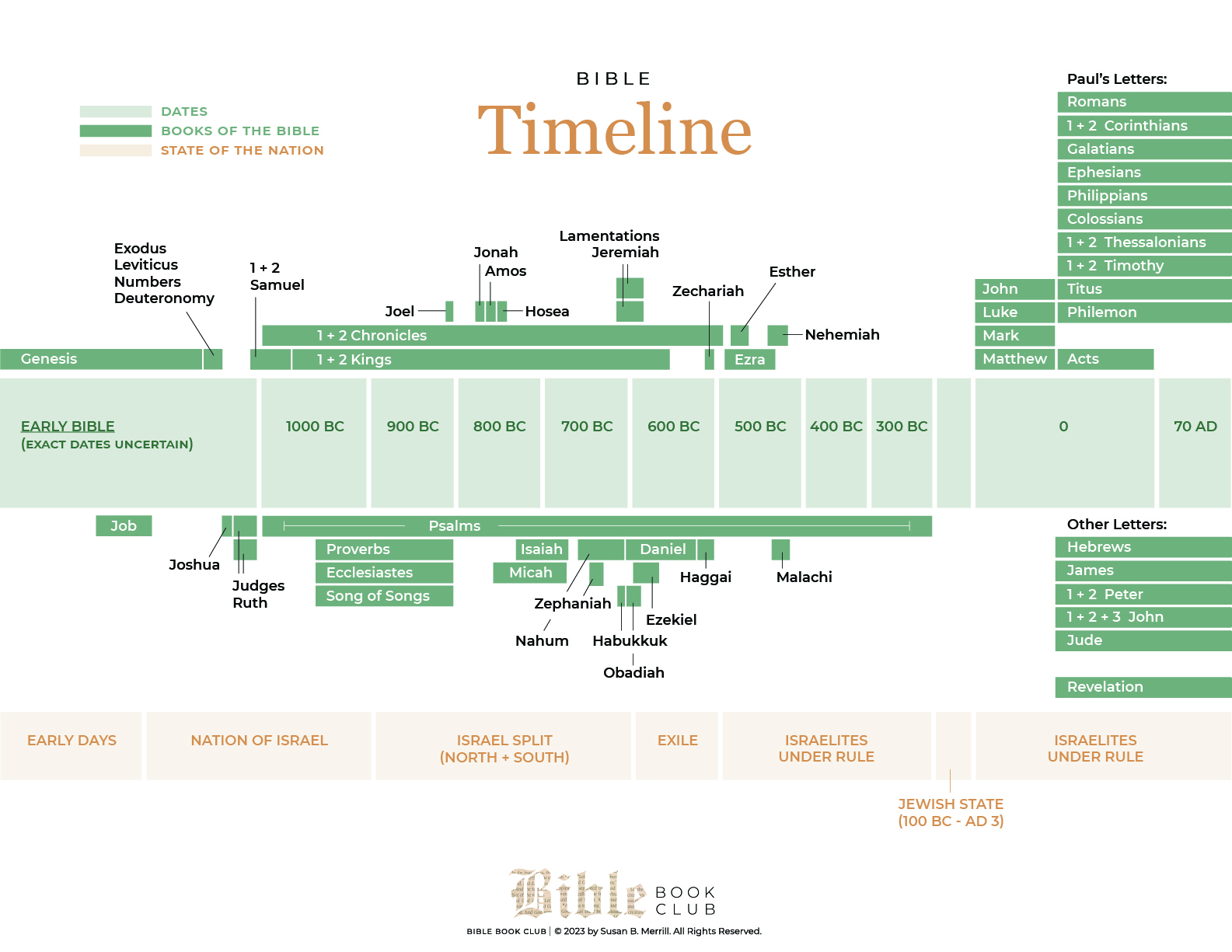
The Chronicler tells the exiles the story of their past so they can have hope for their future. The story of Hezekiah is a ray of hope in a long line of lukewarm kings, especially because this next king is passionate about worship. And nothing is more important to our Chronicler, whom we suspect is a priest, than instilling in the exiles a desire to rebuild the Temple and worship. Their exile is the ultimate divine discipline. The Temple is their only chance for relational restoration.
Scene 1: Hezekiah Does Right and Restores Worship
2 Chronicles 29:1-36
1 Hezekiah was twenty-five years old when he became king, and he reigned in Jerusalem twenty-nine years. His mother’s name was Abijah daughter of Zechariah. 2 He did what was right in the eyes of the Lord, just as his father David had done.
3 In the first month of the first year of his reign, he opened the doors of the temple of the Lord and repaired them. 4 He brought in the priests and the Levites, assembled them in the square on the east side 5 and said: “Listen to me, Levites! Consecrate yourselves now and consecrate the temple of the Lord, the God of your ancestors. Remove all defilement from the sanctuary. 6 Our parents were unfaithful; they did evil in the eyes of the Lord our God and forsook him. They turned their faces away from the Lord’s dwelling place and turned their backs on him. 7 They also shut the doors of the portico and put out the lamps. They did not burn incense or present any burnt offerings at the sanctuary to the God of Israel. 8 Therefore, the anger of the Lord has fallen on Judah and Jerusalem; he has made them an object of dread and horror and scorn, as you can see with your own eyes. 9 This is why our fathers have fallen by the sword and why our sons and daughters and our wives are in captivity. 10 Now I intend to make a covenant with the Lord, the God of Israel, so that his fierce anger will turn away from us. 11 My sons, do not be negligent now, for the Lord has chosen you to stand before him and serve him, to minister before him and to burn incense.”
12 Then these Levites set to work: from the Kohathites, Mahath son of Amasai and Joel son of Azariah; from the Merarites, Kish son of Abdi and Azariah son of Jehallelel; from the Gershonites, Joah son of Zimmah and Eden son of Joah; 13 from the descendants of Elizaphan, Shimri and Jeiel; from the descendants of Asaph, Zechariah and Mattaniah; 14 from the descendants of Heman, Jehiel and Shimei; from the descendants of Jeduthun, Shemaiah and Uzziel.
15 When they had assembled their fellow Levites and consecrated themselves, they went in to purify the temple of the Lord, as the king had ordered, following the word of the Lord. 16 The priests went into the sanctuary of the Lord to purify it. They brought out to the courtyard of the Lord’s temple everything unclean that they found in the temple of the Lord. The Levites took it and carried it out to the Kidron Valley. 17 They began the consecration on the first day of the first month, and by the eighth day of the month they reached the portico of the Lord. For eight more days they consecrated the temple of the Lord itself, finishing on the sixteenth day of the first month.
18 Then they went in to King Hezekiah and reported: “We have purified the entire temple of the Lord, the altar of burnt offering with all its utensils, and the table for setting out the consecrated bread, with all its articles. 19 We have prepared and consecrated all the articles that King Ahaz removed in his unfaithfulness while he was king. They are now in front of the Lord’s altar.”
20 Early the next morning King Hezekiah gathered the city officials together and went up to the temple of the Lord. 21 They brought seven bulls, seven rams, seven male lambs and seven male goats as a sin offering for the kingdom, for the sanctuary and for Judah. The king commanded the priests, the descendants of Aaron, to offer these on the altar of the Lord. 22 So they slaughtered the bulls, and the priests took the blood and splashed it against the altar; next they slaughtered the rams and splashed their blood against the altar; then they slaughtered the lambs and splashed their blood against the altar. 23 The goats for the sin offering were brought before the king and the assembly, and they laid their hands on them. 24 The priests then slaughtered the goats and presented their blood on the altar for a sin offering to atone for all Israel, because the king had ordered the burnt offering and the sin offering for all Israel.
25 He stationed the Levites in the temple of the Lord with cymbals, harps and lyres in the way prescribed by David and Gad the king’s seer and Nathan the prophet; this was commanded by the Lord through his prophets. 26 So the Levites stood ready with David’s instruments, and the priests with their trumpets.
27 Hezekiah gave the order to sacrifice the burnt offering on the altar. As the offering began, singing to the Lord began also, accompanied by trumpets and the instruments of David king of Israel. 28 The whole assembly bowed in worship, while the musicians played and the trumpets sounded. All this continued until the sacrifice of the burnt offering was completed.
29 When the offerings were finished, the king and everyone present with him knelt down and worshiped. 30 King Hezekiah and his officials ordered the Levites to praise the Lord with the words of David and of Asaph the seer. So they sang praises with gladness and bowed down and worshiped.
31 Then Hezekiah said, “You have now dedicated yourselves to the Lord. Come and bring sacrifices and thank offerings to the temple of the Lord.” So the assembly brought sacrifices and thank offerings, and all whose hearts were willing brought burnt offerings.
32 The number of burnt offerings the assembly brought was seventy bulls, a hundred rams and two hundred male lambs—all of them for burnt offerings to the Lord. 33 The animals consecrated as sacrifices amounted to six hundred bulls and three thousand sheep and goats. 34 The priests, however, were too few to skin all the burnt offerings; so their relatives the Levites helped them until the task was finished and until other priests had been consecrated, for the Levites had been more conscientious in consecrating themselves than the priests had been. 35 There were burnt offerings in abundance, together with the fat of the fellowship offerings and the drink offerings that accompanied the burnt offerings.
So the service of the temple of the Lord was reestablished. 36 Hezekiah and all the people rejoiced at what God had brought about for his people, because it was done so quickly.
King Hezekiah
The key phrase here is “just as his father David had done.” Like David, Hezekiah locks eyes on God and sticks with it, for the most part. He isn’t perfect. But after five kings who failed to be faithful in our last chapters, it is a relief to read that it can be done.
Hezekiah is considered to be in the top five most faithful kings of the Old Testament. In fact, he is often listed at number two. Hezekiah's success can be attributed to doing what is right in God's eyes. Such a seemingly simple objective: to do what is right. The clincher is that it must be right in God's eyes, not in one's own. Hezekiah begins by doing five things to right Judah's relationship with God.
What are the first steps Hezekiah takes to restore the Temple?
The first thing King Hezekiah does is reopen and repair the Temple. The second thing he does is command the priests and Levites to sanctify themselves and the Temple. This is what sets Hezekiah apart from the other kings. King Hezekiah learned from the divine discipline his father faced for his unfaithfulness. In verses 6, 8, and 9, he says:
2 Chronicles 29:6 6 Our parents were unfaithful;
2 Chronicles 29:8 8 Therefore, the anger of the Lord has fallen on Judah and Jerusalem;
2 Chronicles 29:9 9 This is why our fathers have fallen by the sword and why our sons and daughters and our wives are in captivity.
Hezekiah realizes he has an opportunity to learn from the past and seek relational restoration with the one true God of Israel. To do that, he takes the people back to their roots in Moses and reinstates all the tenets of a right relationship with God.
- Temple purification
- Worship
- Sacrifice
Jesus Foreshadowed
King Hezekiah isn’t the only king with such a passion. There will be another King to come from the line of David who is passionate about Temple cleansing.
John 2:13-17 13 When it was almost time for the Jewish Passover, Jesus went up to Jerusalem. 14 In the temple courts he found people selling cattle, sheep and doves, and others sitting at tables exchanging money. 15 So he made a whip out of cords, and drove all from the temple courts, both sheep and cattle; he scattered the coins of the money changers and overturned their tables. 16 To those who sold doves he said, “Get these out of here! Stop turning my Father’s house into a market!” 17 His disciples remembered that it is written: “Zeal for your house will consume me.”
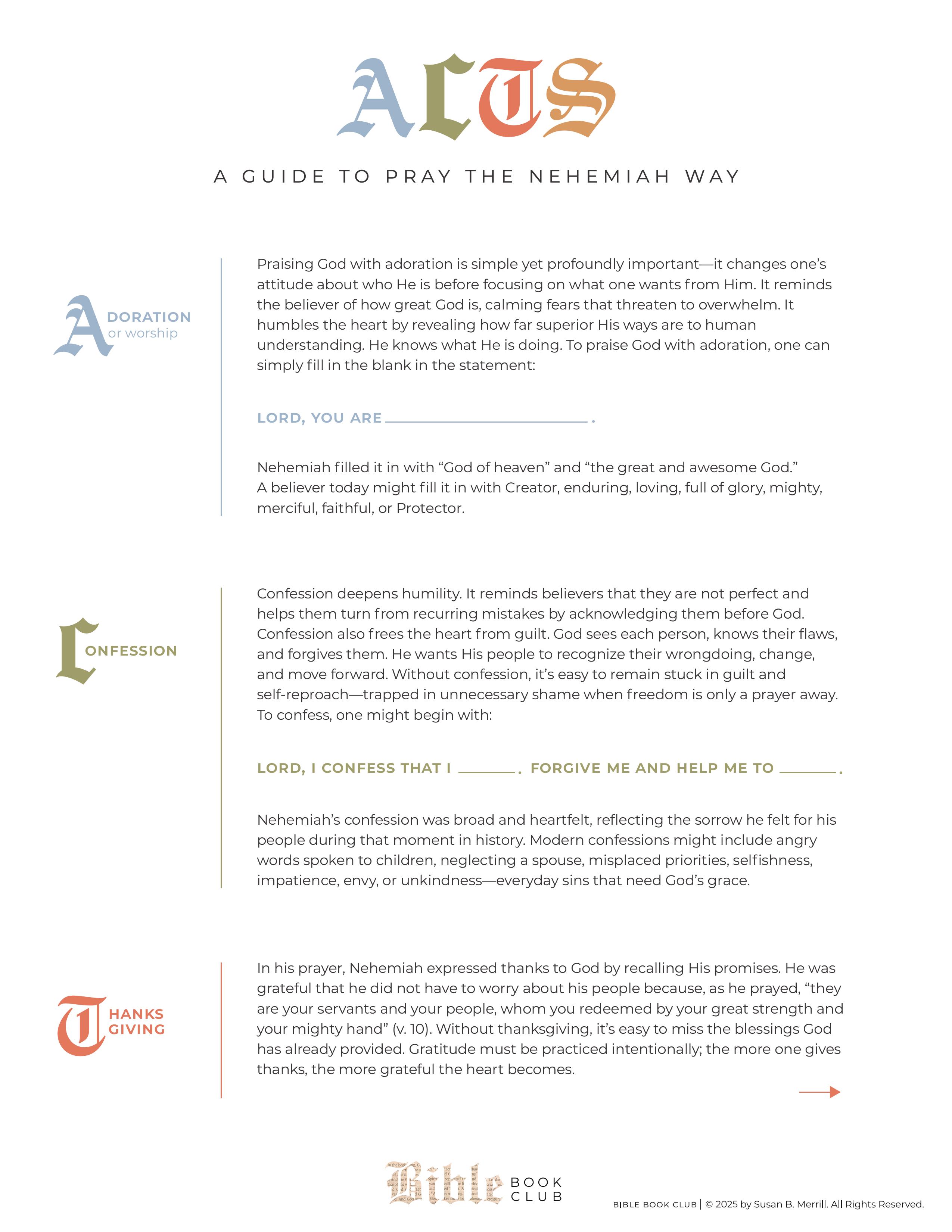
This is an interesting thought for us to ponder. What does zeal for the house of God, His Temple, look like today? We know the apostle Paul says we are the temple:
1 Corinthians 3:16-17 16 Don’t you know that you yourselves are God’s temple and that God’s Spirit dwells in your midst? 17 If anyone destroys God’s temple, God will destroy that person; for God’s temple is sacred, and you together are that temple.
Purifying God's Temple today begins with purifying ourselves.
- What we look at.
- What we fill our minds with.
- How we use our time.
If we think about it, a personal housecleaning may be in order!
Covenant Renewal
Hezekiah's third action is to make public his intention to seal their relationship with a covenant.
- The Temple must be purified before they can have a covenantal ceremony.
- Once the Temple is purified, Hezekiah follows the Laws of Moses with covenantal sacrifices.
- With the sacrifices underway, Hezekiah does the right thing by following David's prescription for worship with music.
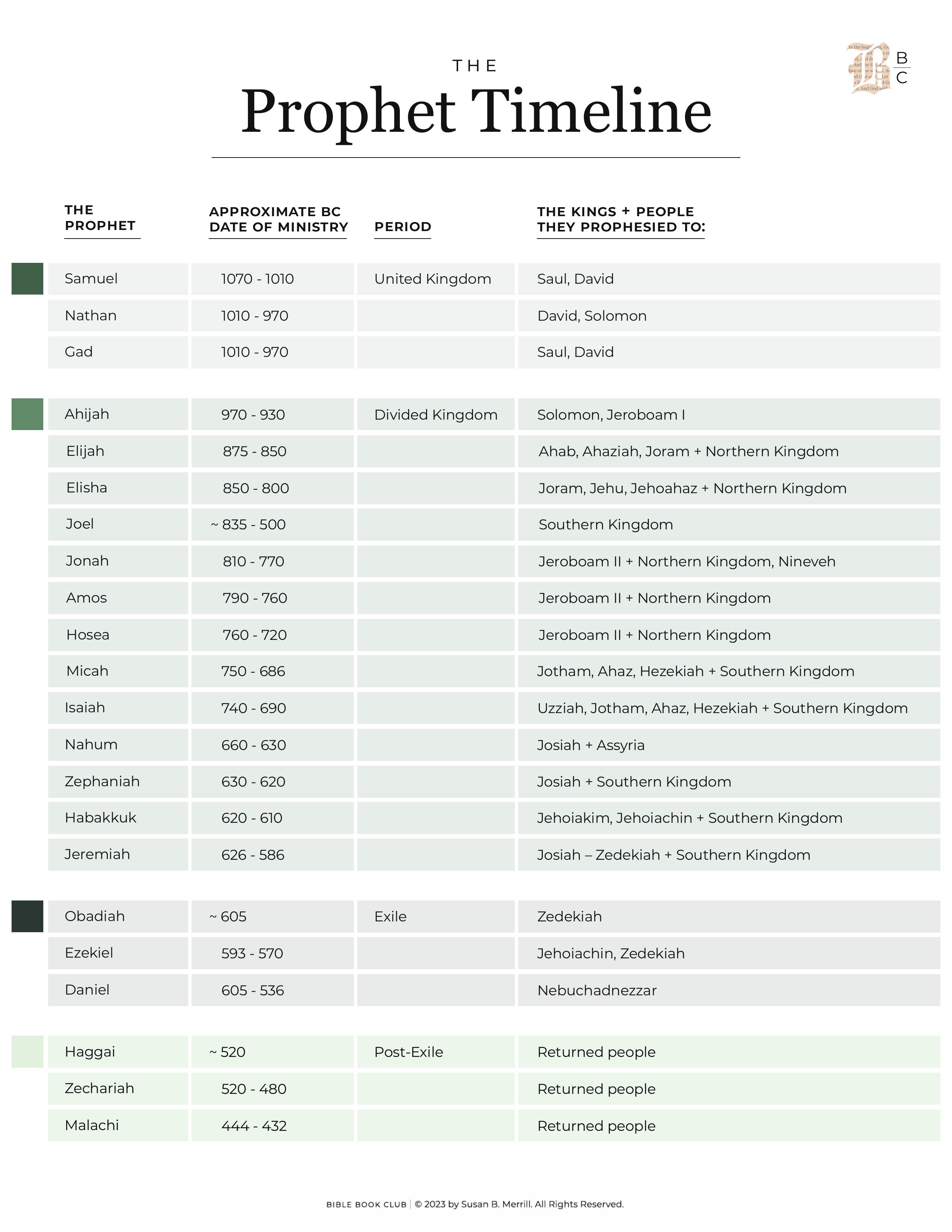
Hezekiah is often considered second only to David because, like David, his passion for worship, his humility, and his get-it-done leadership demonstrate a heart for the Lord. Hezekiah doesn’t mess around.
How does King Hezekiah's reign compare to his father King Ahaz?
King Hezekiah pursues right and clearly makes it his business to know for sure what is right. Nowhere does it say he relies on advisors or friends to figure out what is right, which is remarkable considering his father was the foolish King Ahaz. Hezekiah is no fool.
Hezekiah is reading the Lord loud and clear. He watched the nation suffer divine discipline. He learned that his leadership is an opportunity for relational restoration. And Hezekiah is going to make it happen.
Scene 2: Hezekiah Does What Is Right and Invites All Israel to Remember and Renew Their Faith
2 Chronicles 30:1-27
1 Hezekiah sent word to all Israel and Judah and also wrote letters to Ephraim and Manasseh, inviting them to come to the temple of the Lord in Jerusalem and celebrate the Passover to the Lord, the God of Israel. 2 The king and his officials and the whole assembly in Jerusalem decided to celebrate the Passover in the second month. 3 They had not been able to celebrate it at the regular time because not enough priests had consecrated themselves and the people had not assembled in Jerusalem. 4 The plan seemed right both to the king and to the whole assembly. 5 They decided to send a proclamation throughout Israel, from Beersheba to Dan, calling the people to come to Jerusalem and celebrate the Passover to the Lord, the God of Israel. It had not been celebrated in large numbers according to what was written.
6 At the king’s command, couriers went throughout Israel and Judah with letters from the king and from his officials, which read:
“People of Israel, return to the Lord, the God of Abraham, Isaac and Israel, that he may return to you who are left, who have escaped from the hand of the kings of Assyria. 7 Do not be like your parents and your fellow Israelites, who were unfaithful to the Lord, the God of their ancestors, so that he made them an object of horror, as you see. 8 Do not be stiff-necked, as your ancestors were; submit to the Lord. Come to his sanctuary, which he has consecrated forever. Serve the Lord your God, so that his fierce anger will turn away from you. 9 If you return to the Lord, then your fellow Israelites and your children will be shown compassion by their captors and will return to this land, for the Lord your God is gracious and compassionate. He will not turn his face from you if you return to him.”
10 The couriers went from town to town in Ephraim and Manasseh, as far as Zebulun, but people scorned and ridiculed them. 11 Nevertheless, some from Asher, Manasseh and Zebulun humbled themselves and went to Jerusalem. 12 Also in Judah the hand of God was on the people to give them unity of mind to carry out what the king and his officials had ordered, following the word of the Lord.
13 A very large crowd of people assembled in Jerusalem to celebrate the Festival of Unleavened Bread in the second month. 14 They removed the altars in Jerusalem and cleared away the incense altars and threw them into the Kidron Valley.
15 They slaughtered the Passover lamb on the fourteenth day of the second month. The priests and the Levites were ashamed and consecrated themselves and brought burnt offerings to the temple of the Lord. 16 Then they took up their regular positions as prescribed in the Law of Moses the man of God. The priests splashed against the altar the blood handed to them by the Levites. 17 Since many in the crowd had not consecrated themselves, the Levites had to kill the Passover lambs for all those who were not ceremonially clean and could not consecrate their lambs to the Lord. 18 Although most of the many people who came from Ephraim, Manasseh, Issachar and Zebulun had not purified themselves, yet they ate the Passover, contrary to what was written. But Hezekiah prayed for them, saying, “May the Lord, who is good, pardon everyone 19 who sets their heart on seeking God—the Lord, the God of their ancestors—even if they are not clean according to the rules of the sanctuary.” 20 And the Lord heard Hezekiah and healed the people.
21 The Israelites who were present in Jerusalem celebrated the Festival of Unleavened Bread for seven days with great rejoicing, while the Levites and priests praised the Lord every day with resounding instruments dedicated to the Lord.
22 Hezekiah spoke encouragingly to all the Levites, who showed good understanding of the service of the Lord. For the seven days they ate their assigned portion and offered fellowship offerings and praised the Lord, the God of their ancestors.
23 The whole assembly then agreed to celebrate the festival seven more days; so for another seven days they celebrated joyfully. 24 Hezekiah king of Judah provided a thousand bulls and seven thousand sheep and goats for the assembly, and the officials provided them with a thousand bulls and ten thousand sheep and goats. A great number of priests consecrated themselves. 25 The entire assembly of Judah rejoiced, along with the priests and Levites and all who had assembled from Israel, including the foreigners who had come from Israel and also those who resided in Judah. 26 There was great joy in Jerusalem, for since the days of Solomon son of David king of Israel there had been nothing like this in Jerusalem. 27 The priests and the Levites stood to bless the people, and God heard them, for their prayer reached heaven, his holy dwelling place.
Two Major Religious Feasts
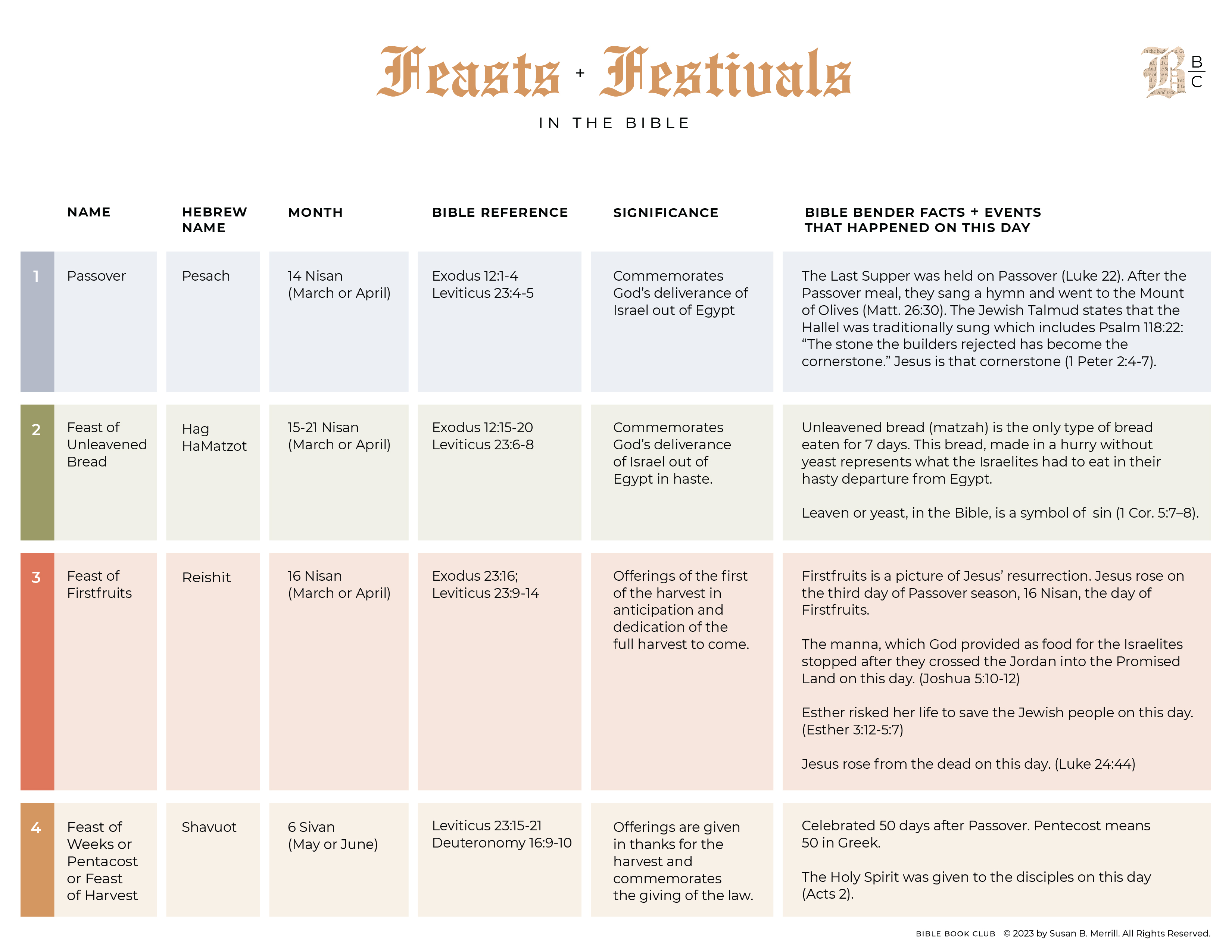
Hezekiah’s invitation is to the combined celebration of two major religious feasts: Passover and the Festival of Unleavened Bread.
Passover
Passover commemorates God's deliverance of Israel out of Egypt, when Moses commanded each Israelite family in Exodus 12 to slaughter a lamb and paint its blood over the door so the angel of death would pass over their house.
The Festival of Unleavened Bread
The Festival of Unleavened Bread commemorates God's deliverance of Israel out of Egypt in haste. For seven days, this bread made in a hurry without yeast is the only bread eaten. Today it is called Matzah bread. It is like a cracker.
Jesus Is the Passover Lamb
It is important for us to remember God delivered Israel from Egypt and God delivered us from sin. The Last Supper was a Passover meal where Jesus explained He was the Passover lamb.
Luke 22:7-20 7 Then came the day of Unleavened Bread on which the Passover lamb had to be sacrificed. 8 Jesus sent Peter and John, saying, “Go and make preparations for us to eat the Passover.”
9 “Where do you want us to prepare for it?” they asked.
10 He replied, “As you enter the city, a man carrying a jar of water will meet you. Follow him to the house that he enters, 11 and say to the owner of the house, ‘The Teacher asks: Where is the guest room, where I may eat the Passover with my disciples?’ 12 He will show you a large room upstairs, all furnished. Make preparations there.”
13 They left and found things just as Jesus had told them. So they prepared the Passover.
14 When the hour came, Jesus and his apostles reclined at the table. 15 And he said to them, “I have eagerly desired to eat this Passover with you before I suffer. 16 For I tell you, I will not eat it again until it finds fulfillment in the kingdom of God.”
17 After taking the cup, he gave thanks and said, “Take this and divide it among you. 18 For I tell you I will not drink again from the fruit of the vine until the kingdom of God comes.”
19 And he took bread, gave thanks and broke it, and gave it to them, saying, “This is my body given for you; do this in remembrance of me.”
20 In the same way, after the supper he took the cup, saying, “This cup is the new covenant in my blood, which is poured out for you.
From Passover to Easter
The Passover is the Israelites' celebration of the blood of the lamb that saved them that night. Our Easter is the celebration of God's provision of a lamb, His Son, whose blood saved us from our sin for eternity.
Hezekiah’s Vision for Israel
Back to Hezekiah’s invitation to join him in Jerusalem to celebrate these two feasts. This is another key way Hezekiah has a mind and heart after the Lord. Like David, Hezekiah still holds onto God's vision for all of Israel, not just Judah in the south. At this time, the Northern Kingdom has already fallen to Assyria, and thousands of Israelites have been deported.
Who does Hezekiah invite to the Passover besides the citizens of Judah?
There are still Israelites left in the Northern Kingdom, and King Hezekiah has not forgotten them. They are tribes of the sons of Jacob and therefore heirs to the promise if they return to God. So King Hezekiah invites them to come celebrate the Passover.
Who can we invite?
This is an interesting thought for us to ponder. We live in a time when isolation and loneliness are on the rise. Many people are living in a depressing darkness. What can we invite them into? How can we cast the light of Christ into their loneliness?
Responding to the Invitation
Some scorn Hezekiah’s invitation. Others remember God, humble themselves, and accept the invitation. There is always a remnant.
So it is today. The invitation to believe in Jesus is available to all if we make it available. King Hezekiah, like the apostle Paul, wants every Israelite to have the chance for a relationship with God.
Romans 10:1-17 1 Brothers and sisters, my heart’s desire and prayer to God for the Israelites is that they may be saved. 2 For I can testify about them that they are zealous for God, but their zeal is not based on knowledge. 3 Since they did not know the righteousness of God and sought to establish their own, they did not submit to God’s righteousness. 4 Christ is the culmination of the law so that there may be righteousness for everyone who believes.
5 Moses writes this about the righteousness that is by the law: “The person who does these things will live by them.” 6 But the righteousness that is by faith says: “Do not say in your heart, ‘Who will ascend into heaven?’” (that is, to bring Christ down) 7 “or ‘Who will descend into the deep?’” (that is, to bring Christ up from the dead). 8 But what does it say? “The word is near you; it is in your mouth and in your heart,” that is, the message concerning faith that we proclaim: 9 If you declare with your mouth, “Jesus is Lord,” and believe in your heart that God raised him from the dead, you will be saved. 10 For it is with your heart that you believe and are justified, and it is with your mouth that you profess your faith and are saved. 11 As Scripture says, “Anyone who believes in him will never be put to shame.” 12 For there is no difference between Jew and Gentile—the same Lord is Lord of all and richly blesses all who call on him, 13 for, “Everyone who calls on the name of the Lord will be saved.”
14 How, then, can they call on the one they have not believed in? And how can they believe in the one of whom they have not heard? And how can they hear without someone preaching to them? 15 And how can anyone preach unless they are sent? As it is written: “How beautiful are the feet of those who bring good news!”
16 But not all the Israelites accepted the good news. For Isaiah says, “Lord, who has believed our message?” 17 Consequently, faith comes from hearing the message, and the message is heard through the word about Christ.
God desires that all will be saved and have a relationship with Him. Christ is the culmination of the Law, making that relationship possible.If you declare with your mouth "Jesus is Lord" and believe in your heart that God raised Him from the dead, you will be saved.
Faith comes from hearing the message, and the message is heard through the Word about Christ. We must carry that message and invite others into the light of the Word of God.
- Invite them to dinner.
- Invite them to church.
- If they won't go to church, invite them to listen to and discuss the Bible Book Club podcast with you.
Go on a walk together, listen, and pause at any point. Answer their questions. Share your journey of faith and what God has done for you. Today, as in Hezekiah's day, some will decline the invitation. But some will humble themselves and accept the invitation to listen and believe.
How does Hezekiah handle participants who are not ceremonially clean for Passover?
Hezekiah prays for the people to receive grace even when they, in their ignorance, don’t do everything right. God honors Hezekiah's prayer because He is pleased with Hezekiah's love for His sheep. Hezekiah is a rare example of love for the Law and love for the people.
His treatment of the people reminds me of Jesus' treatment of people. He cares about the laws, but he also sees the heart of the people.
The Celebration Begins
This is a cumbia moment in Israel's history, and our Chronicler paints a heavenly picture for the exiles. Imagine a national gathering where every hotel, home, and street is packed with people all there for one reason: to worship. And the worship is so beautiful that, despite the crowded circumstances, no one is complaining. No one is fighting for a table or frustrated with the service.
Why does the Passover celebration last for 14 days instead of seven?
Everyone wants the celebration to continue, because since the days of Solomon, there has been nothing like this. And so they stay seven more days, and the result is precious. God hears them. For their prayer reaches heaven, His holy dwelling place.
Scene 4: The People Do What Is Right
2 Chronicles 31:1-21
1 When all this had ended, the Israelites who were there went out to the towns of Judah, smashed the sacred stones and cut down the Asherah poles. They destroyed the high places and the altars throughout Judah and Benjamin and in Ephraim and Manasseh. After they had destroyed all of them, the Israelites returned to their own towns and to their own property.
2 Hezekiah assigned the priests and Levites to divisions—each of them according to their duties as priests or Levites—to offer burnt offerings and fellowship offerings, to minister, to give thanks and to sing praises at the gates of the Lord’s dwelling. 3 The king contributed from his own possessions for the morning and evening burnt offerings and for the burnt offerings on the Sabbaths, at the New Moons and at the appointed festivals as written in the Law of the Lord. 4 He ordered the people living in Jerusalem to give the portion due the priests and Levites so they could devote themselves to the Law of the Lord. 5 As soon as the order went out, the Israelites generously gave the firstfruits of their grain, new wine, olive oil and honey and all that the fields produced. They brought a great amount, a tithe of everything. 6 The people of Israel and Judah who lived in the towns of Judah also brought a tithe of their herds and flocks and a tithe of the holy things dedicated to the Lord their God, and they piled them in heaps. 7 They began doing this in the third month and finished in the seventh month. 8 When Hezekiah and his officials came and saw the heaps, they praised the Lord and blessed his people Israel.
9 Hezekiah asked the priests and Levites about the heaps; 10 and Azariah the chief priest, from the family of Zadok, answered, “Since the people began to bring their contributions to the temple of the Lord, we have had enough to eat and plenty to spare, because the Lord has blessed his people, and this great amount is left over.”
11 Hezekiah gave orders to prepare storerooms in the temple of the Lord, and this was done. 12 Then they faithfully brought in the contributions, tithes and dedicated gifts. Konaniah, a Levite, was the overseer in charge of these things, and his brother Shimei was next in rank. 13 Jehiel, Azaziah, Nahath, Asahel, Jerimoth, Jozabad, Eliel, Ismakiah, Mahath and Benaiah were assistants of Konaniah and Shimei his brother. All these served by appointment of King Hezekiah and Azariah the official in charge of the temple of God.
14 Kore son of Imnah the Levite, keeper of the East Gate, was in charge of the freewill offerings given to God, distributing the contributions made to the Lord and also the consecrated gifts. 15 Eden, Miniamin, Jeshua, Shemaiah, Amariah and Shekaniah assisted him faithfully in the towns of the priests, distributing to their fellow priests according to their divisions, old and young alike.
16 In addition, they distributed to the males three years old or more whose names were in the genealogical records—all who would enter the temple of the Lord to perform the daily duties of their various tasks, according to their responsibilities and their divisions. 17 And they distributed to the priests enrolled by their families in the genealogical records and likewise to the Levites twenty years old or more, according to their responsibilities and their divisions. 18 They included all the little ones, the wives, and the sons and daughters of the whole community listed in these genealogical records. For they were faithful in consecrating themselves.
19 As for the priests, the descendants of Aaron, who lived on the farmlands around their towns or in any other towns, men were designated by name to distribute portions to every male among them and to all who were recorded in the genealogies of the Levites.
20 This is what Hezekiah did throughout Judah, doing what was good and right and faithful before the Lord his God. 21 In everything that he undertook in the service of God’s temple and in obedience to the law and the commands, he sought his God and worked wholeheartedly. And so he prospered.
What happens to the idols and high places after the festival ends?
Because of Hezekiah, the people's relationship with God is restored, and they respond by following his lead and ridding the nation of idols. Because this one man was observant enough to learn from the past that divine discipline is an opportunity for relational restoration, and because one man made it his mission to seek the Lord, the nation is blessed.
You may not lead a nation, but you do have the opportunity to influence your family, your friends, your coworkers, and your neighbors! Join us in our next chapters: 2 Chronicles 32-34.
Group Discussion Questions for 2 Chronicles 29-31
- Hezekiah extends an invitation to all of Israel. Some scorn the invitation, but some accept. In your own life, who might appreciate an invitation to come back to worship with you? What is one practical way you could extend that invitation this week?
- Hezekiah passionately prayed for the people who came to Passover with sincere yet impure hearts. In your own world, who might you be tempted to judge for being impure? How do you think God would respond if you intentionally prayed for them with your whole heart instead of judging them?
- King Hezekiah took action, cleansing the Temple. In your own heart, the new temple of the Holy Spirit, what distractions or idols could you clear out to strengthen your relationship with God?