
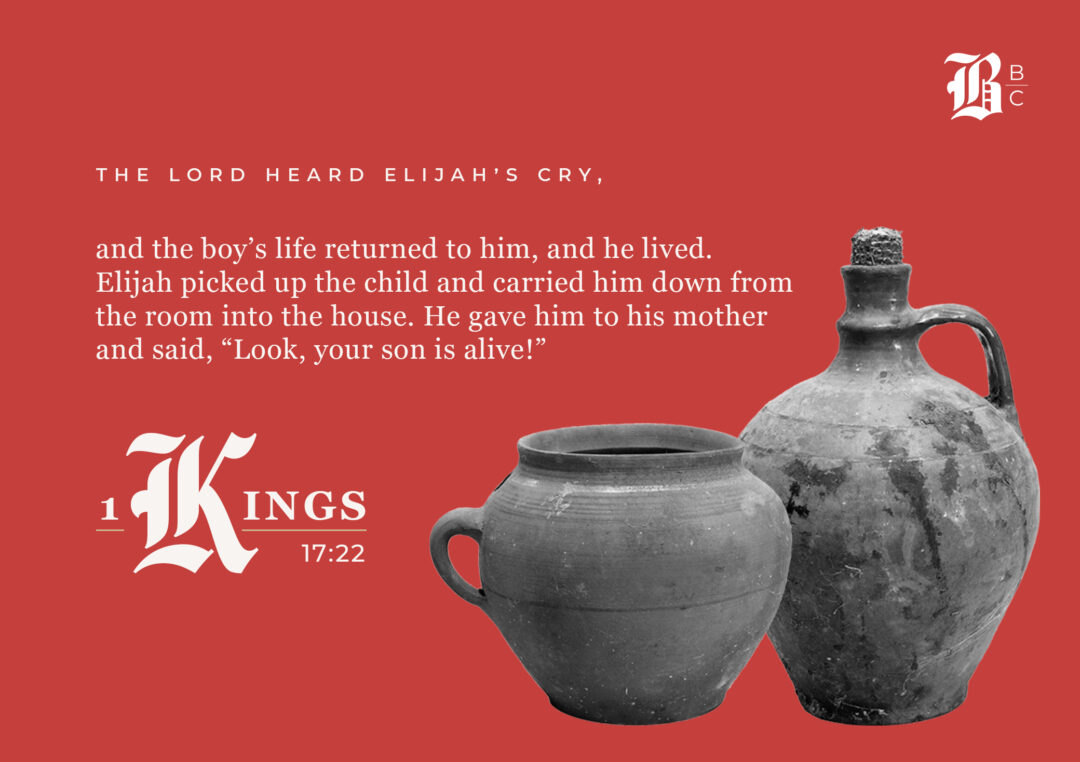
1 Kings 16 and 1 Kings 17
In these challenging times for Israel, marked by the evil reigns of Omri and Ahab, God sends Elijah, a prophet of extraordinary power, to deliver His message. Discover how Elijah’s unwavering faith and miraculous acts, including raising the dead and challenging the worship of Baal, serve as a beacon of hope and a call to return to the one true God.
Subscribe to BBC on Apple, Spotify , or Amazon
The Rise of Evil Dynasties: Omri and Ahab
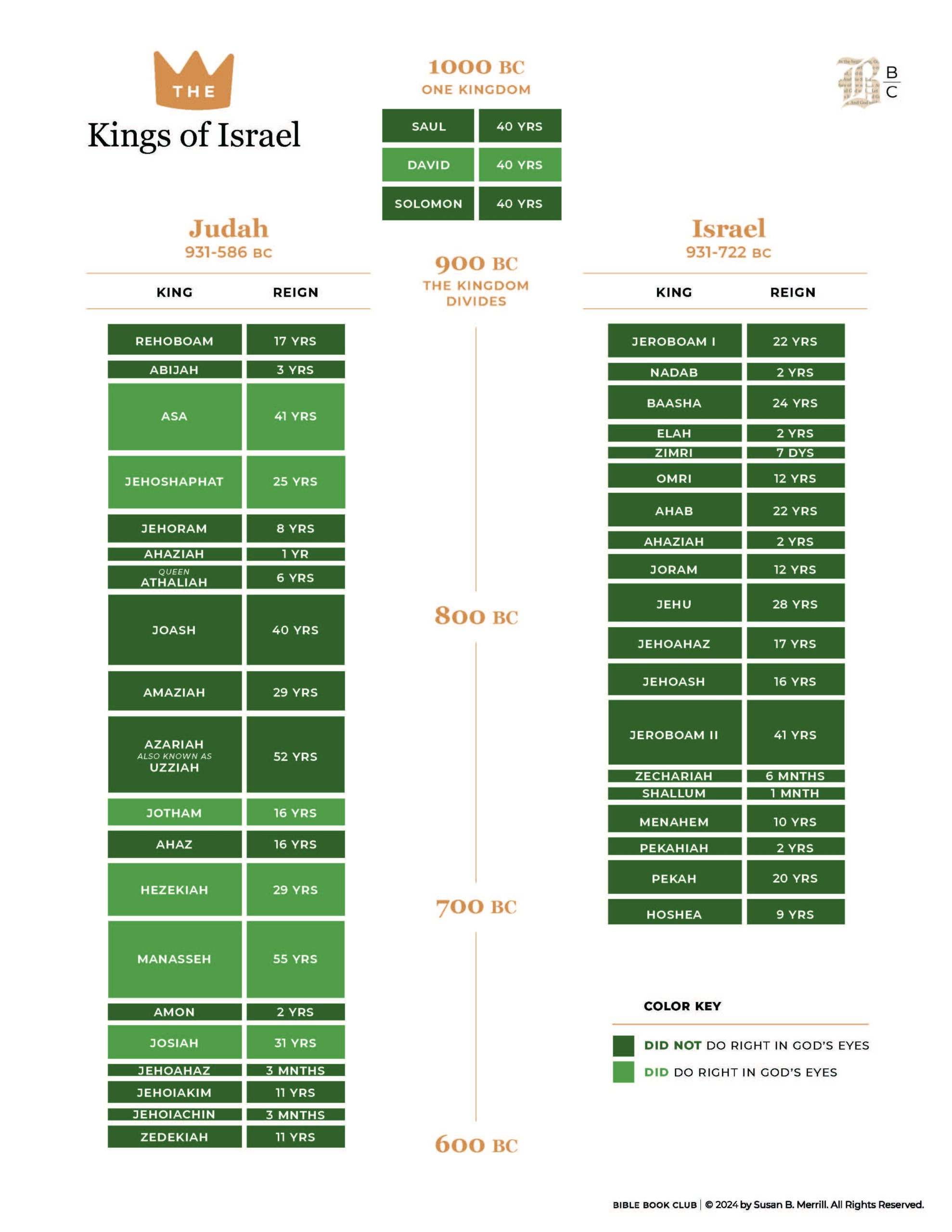
In the chronicles of Israel’s history, the reigns of Omri and his son Ahab (within 1 Kings 16) stand out as periods of profound darkness and escalating idolatry. Omri, the architect of an evil dynasty, assumed the throne after a period of civil strife and established a legacy marked by sin and idolatry. Omri’s son, Ahab, took his father’s legacy further, introducing new depths of evil by marrying Jezebel and promoting Baal worship throughout the kingdom. This period saw the construction of altars to Baal and the introduction of Asherah poles, further inciting the anger of the Lord. Ahab’s reign not only perpetuated but amplified the sins of his predecessors, setting the stage for divine intervention.
Elijah’s Divine Commission: A Call to Confront Idolatry
In response to the escalating evil, God sent Elijah, a prophet with a powerful mandate, to confront the rising tide of idolatry and call the people of Israel back to their covenant with God. Elijah’s mission was not just a response to the sins of Ahab and his predecessors but a testament to God’s enduring mercy and desire for His people to repent. Elijah’s very name, meaning “my God is Yahweh,” served as a constant reminder to the Israelites of their forgotten allegiance. His presence was a divine strategy to re-establish the worship of the Lord during a time when Israel was veering dangerously off course.
The Miraculous Acts of Elijah: Demonstrating God’s Power
Elijah’s journey was marked by miraculous events that underscored the supremacy of God over the idols of the land. One of his first acts was to declare a drought, directly challenging Baal, the supposed god of rain and fertility. This demonstration of power was a clear message that the sovereignty of God could not be overshadowed by false deities. Furthermore, God provided for Elijah in the wilderness through ravens, echoing His miraculous provision to the Israelites during the Exodus. Elijah’s miracles continued with the widow of Zarephath, where a seemingly endless supply of flour and oil sustained them through the drought, emphasizing God’s provision and care even outside the borders of Israel.
Lessons from Elijah: Faith, Obedience, and the Struggle Against Idolatry
Elijah’s mission offers timeless lessons in faith and obedience. His unwavering trust in God’s commands, even when faced with seemingly insurmountable challenges, is a testament to the power of faith. Elijah’s encounters with idolatry serve as a cautionary tale about the perils of turning away from God. The struggles he faced remind us of the constant battle against modern-day idols—be it wealth, power, or fame—that can distract from spiritual truths. Elijah’s life encourages believers to remain steadfast in their faith, trusting in God’s provision and timing. His story is a powerful reminder that, even in the darkest times, faith and obedience can lead to redemption and restoration.
Verses Mentioned:
Show Notes Mentioned:
Kings of Israel
The author of this article is Hayley Mowatt, producer of Bible Book Club podcast.
