
In Exodus 35-37, we discover the divine pattern and purpose behind God’s instructions for building the tabernacle and observing the Sabbath. Explore how these commands frame the Golden Calf rebellion and reconciliation, highlighting Moses’ pivotal role as mediator of the covenant.
Subscribe to BBC on Apple, Spotify , or Amazon
The Role of the Tabernacle as a Sacred Space
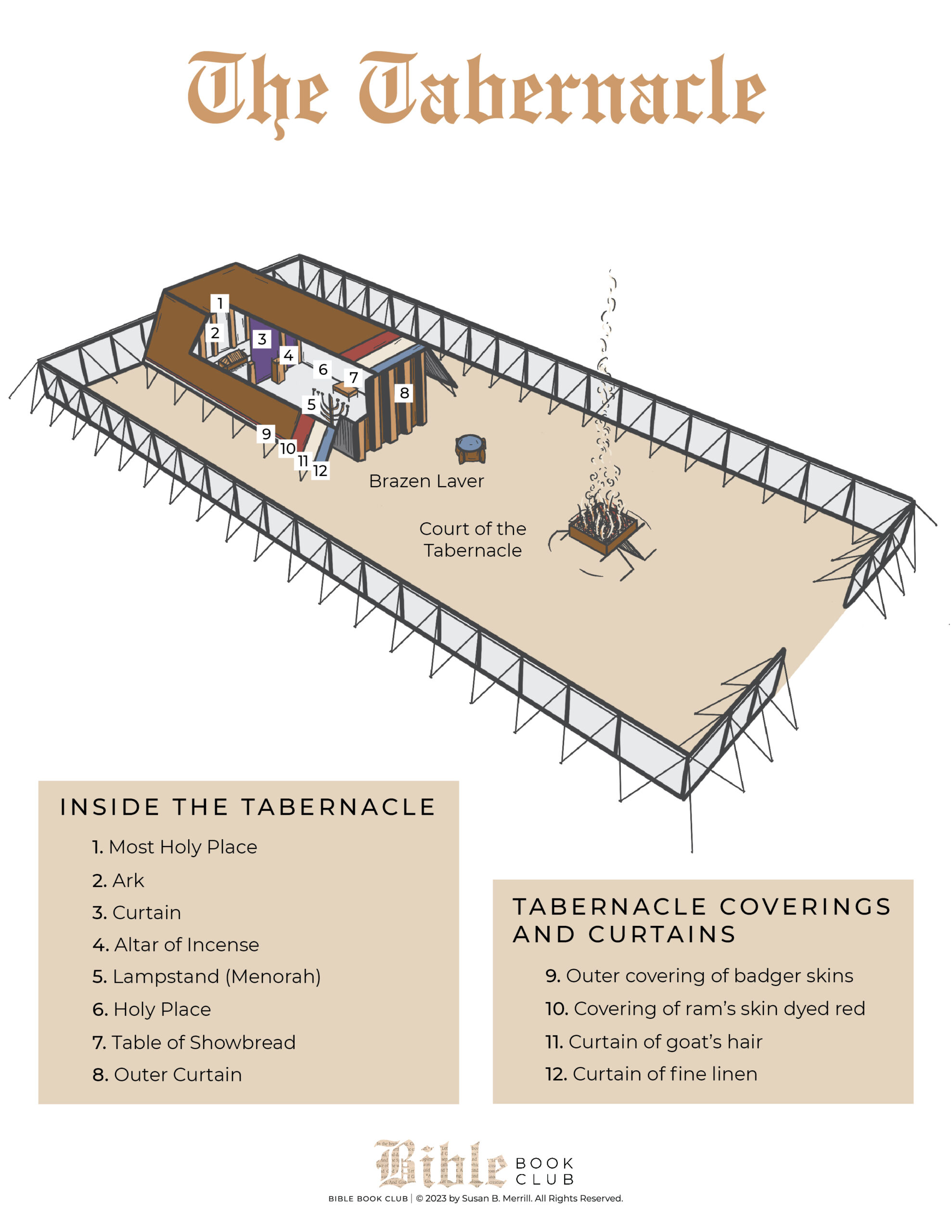
The Tabernacle, as detailed in Exodus chapters 25-40, stands as a monumental symbol of sacredness for the Israelites. It was far more than just a physical structure; it represented God’s dwelling place among His people. This portable sanctuary allowed the Israelites to carry a piece of divine presence wherever they journeyed, reinforcing a sense of spiritual continuity and security. The meticulous instructions for its construction underscore its significance, as every detail—from the materials used to the design—was divinely ordained. This underscored the Tabernacle’s role as a holy space where the Israelites could encounter God in their daily lives.
Inside the Tabernacle, the Most Holy Place housed the Ark of the Covenant, symbolizing the very essence of God’s promise and presence. It was a space where the divine and the earthly met, offering the Israelites a tangible connection to their faith. The craftsmanship involved, led by skilled artisans like Bezalel and Oholiab, reflected the community’s commitment to creating a worthy dwelling for God. The Tabernacle thus became the focal point of worship, serving as a constant reminder of the covenant and God’s unwavering desire to dwell among His people.
The Sabbath: A Holy Time for Rest and Reflection
The Sabbath, introduced as a recurring theme in these chapters, played a crucial role in the Israelites’ spiritual life. It was not merely a day of rest but a sacred time set aside for worship and reflection. Observing the Sabbath underscored the rhythm of life that God intended for His people—six days of labor followed by a day of rest and spiritual renewal. This practice was integral to the Mosaic Covenant, symbolizing the sanctity of time dedicated to God.
By commanding the Israelites to observe the Sabbath, God emphasized the importance of balance between work and rest. The Sabbath was a weekly opportunity for the community to pause, reflect, and realign their lives with divine purposes. It served as a reminder of God’s creation and His provision, fostering a deeper connection with the divine. In essence, the Sabbath was about more than personal rest; it was a communal act of devotion, reinforcing the Israelites’ identity as God’s chosen people.
The Interconnection Between the Tabernacle and the Sabbath
The interconnection between the Tabernacle and the Sabbath highlights a profound concept of worship in both space and time. The Tabernacle provided a physical location for worship, while the Sabbath offered a temporal framework. Together, they created a holistic approach to spirituality, weaving divine presence into the fabric of daily life. This synergy illustrated God’s design for worship as an integrated experience, where sacred space and sacred time converged.
In the narrative of Exodus, the rebellion with the Golden Calf and subsequent reconciliation re-emphasized the importance of these practices. The Sabbath bookended this period of rebellion as a reminder of God’s order and holiness, while the construction of the Tabernacle symbolized a fresh start for the Israelites. This dual focus on space and time was a divine strategy to anchor the community’s faith, providing a stable foundation for their spiritual journey.
Moses’ Leadership and the Israelites’ Spiritual Journey
Moses’ leadership during this era was pivotal in guiding the Israelites through their spiritual transformation. As a mediator between God and the people, he played a crucial role in reinforcing the significance of the Tabernacle and the Sabbath. His unwavering dedication and willingness to intercede on behalf of the Israelites illustrated his commitment to their spiritual well-being. Moses’ actions during the Golden Calf incident, where he pleaded for God’s mercy, exemplified his role as a leader committed to the covenant.
Under Moses’ guidance, the Israelites learned the value of obedience and the power of communal worship. The construction of the Tabernacle and the observance of the Sabbath were not just acts of religious duty; they were steps toward a deeper relationship with God. This journey was marked by moments of rebellion and redemption, ultimately shaping the spiritual identity of the nation. Moses’ leadership was instrumental in this process, ensuring that the Israelites remained focused on their divine calling and the path to the Promised Land.
Show Notes Mentioned:
The Tabernacle
The author of this article is Hayley Mowatt, producer of Bible Book Club podcast.
