
Join us in Exodus 38-40 in celebrating the completion of the Tabernacle—a pivotal moment for the Israelites and their relationship with God. The entire construction was done as the Lord commanded, reflecting the power of obedience and blessing. Discover how the Tabernacle mirrors the creation of the world, marking a new beginning for God’s people.
Subscribe to BBC on Apple, Spotify , or Amazon
The Spiritual Meaning Behind the Tabernacle’s Design
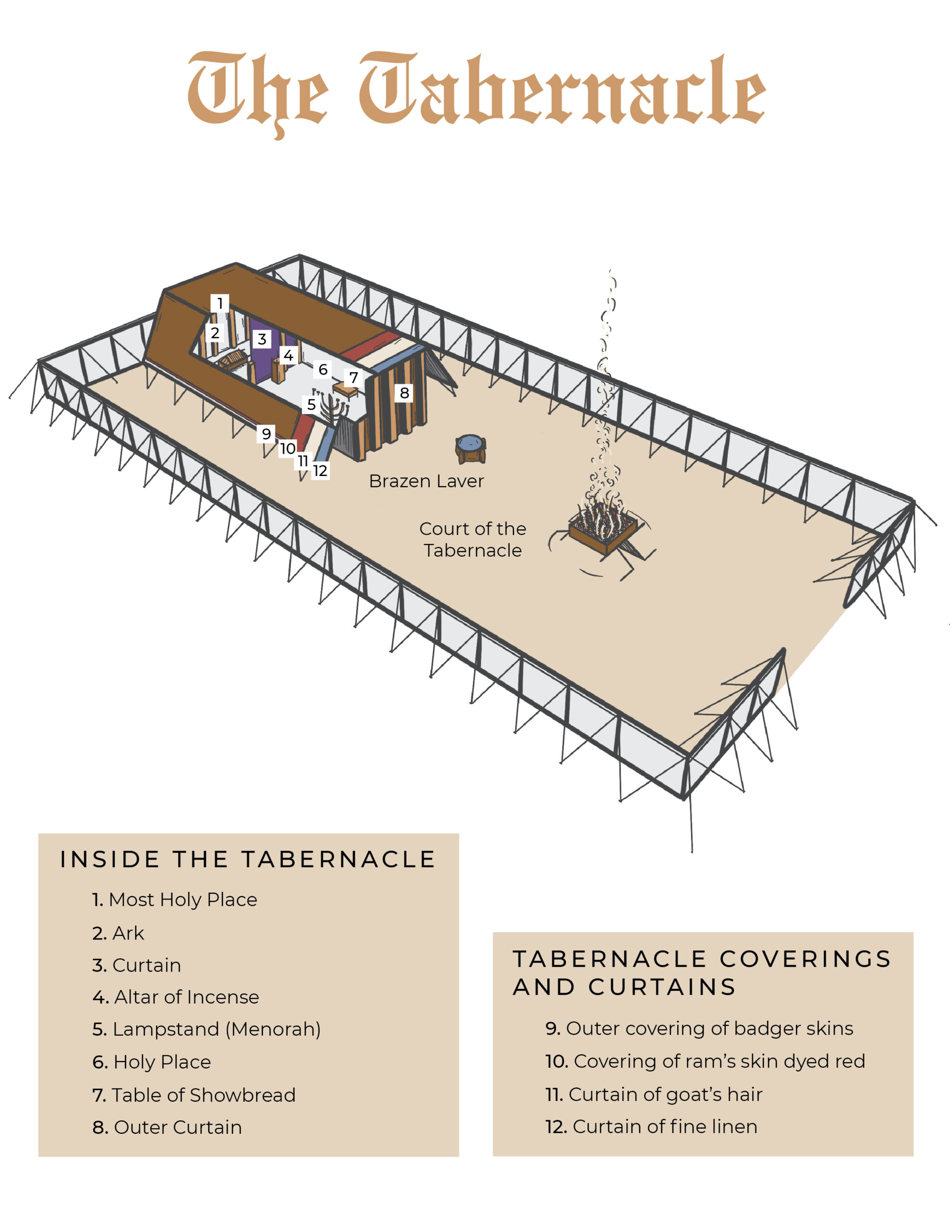
The construction of the Tabernacle was a monumental task for the Israelites, steeped in spiritual significance. It wasn’t merely a physical structure; it was a profound symbol of God’s dwelling among His people. The meticulous details, from the dimensions to the materials used, reflected divine instructions. Each element of the Tabernacle’s design was a tangible representation of a deeper spiritual truth, illustrating the holiness and presence of God. As the Israelites labored over its construction, they were not just building a tent; they were manifesting a sacred space where heaven and earth would meet.
Materials of the Tabernacle: Symbolism and Significance
The materials used in the Tabernacle’s construction were not chosen at random. Gold, silver, and bronze were the primary metals, each representing different levels of sanctity and purpose. Gold, the most precious, was used in the Holy of Holies, signifying the divine presence. Bronze, utilized in the outer courtyard, represented judgment and sacrifice. Additionally, the use of fine linen and vibrant colors like blue, purple, and scarlet symbolized royalty and divinity. These materials were not just about aesthetics; they were rich in symbolism, each contributing to the sanctity and purpose of the Tabernacle.
The Role of Obedience in the Tabernacle’s Construction
Obedience played a critical role in the construction of the Tabernacle. The Israelites’ adherence to God’s commands was a testament to their faith and dedication. Each component of the Tabernacle was crafted “as the Lord commanded,” emphasizing the importance of following divine instructions. This obedience was not just about completing a task; it was an act of worship and reverence. The Israelites’ commitment to God’s directives demonstrated their renewed faith after past transgressions, showcasing that obedience was the path to divine favor and blessing.
Blessings and Legacy: The Tabernacle’s Impact on the Israelites
The completion of the Tabernacle marked a significant milestone for the Israelites. It was a tangible sign of God’s presence and a testament to their obedience. The blessings that followed were manifold. Not only did they have a sacred space for worship, but they also experienced a profound sense of unity and purpose. The Tabernacle became a central part of their journey, guiding them through the wilderness and serving as a constant reminder of God’s covenant. Its legacy extended beyond its physical presence, influencing generations and underscoring the spiritual truth that obedience to God leads to blessing and fulfillment.
As we reflect on the construction of the Tabernacle, we see a powerful narrative of faith, obedience, and divine presence. It serves as a timeless reminder of the importance of following God’s guidance and the blessings that come from living in accordance with His will.
Verses Mentioned:
Show Notes Mentioned:
The Tabernacle
Priest Outfit

The author of this article is Hayley Mowatt, producer of Bible Book Club podcast.
